Vision story and storytelling techniques
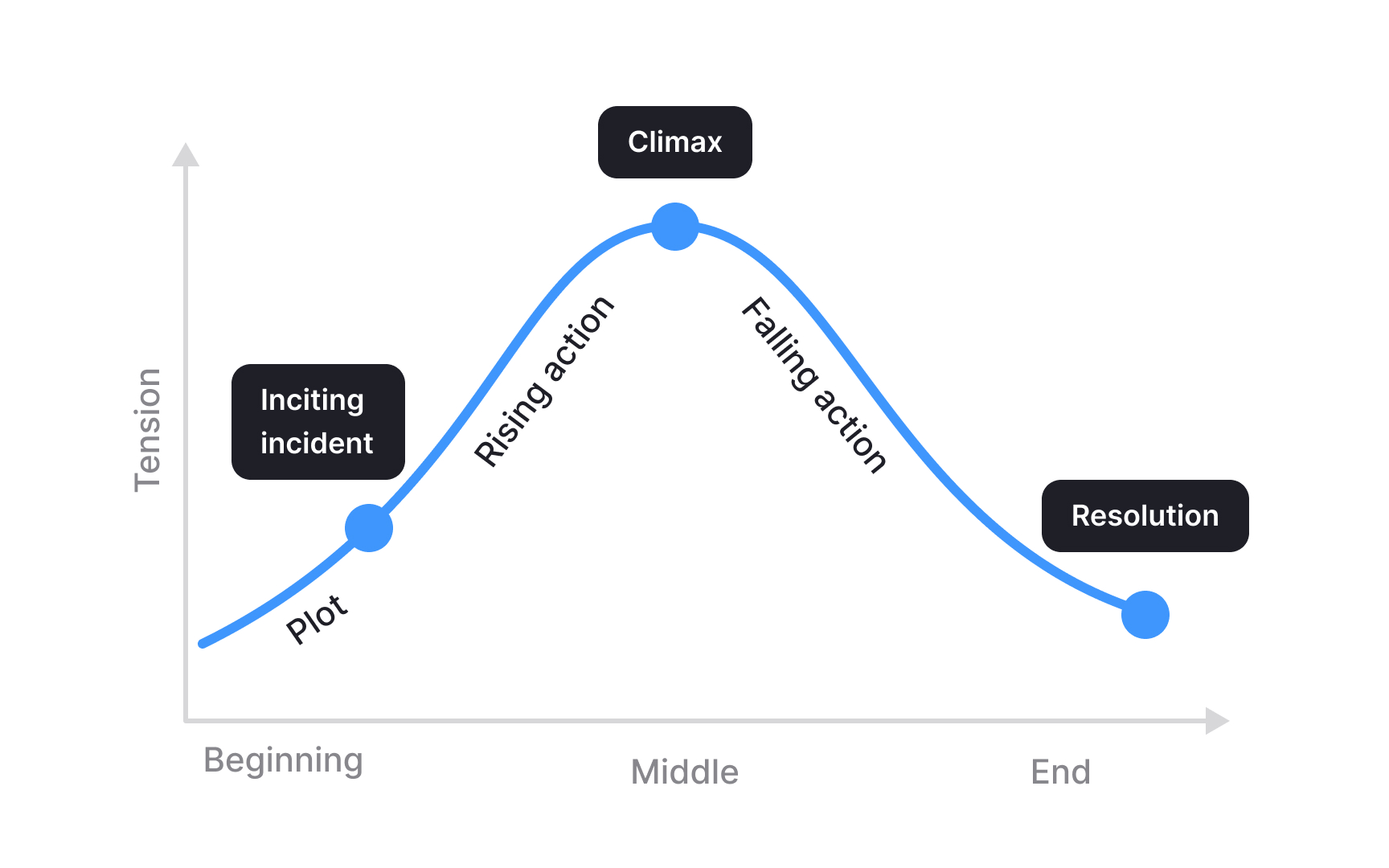
Stories activate human brains differently than facts and figures. When people hear a compelling story, their neural activity synchronizes with the storyteller's, creating shared understanding and emotional connection. Vision stories transform abstract strategy into relatable human experiences, making the future feel tangible and achievable.
Effective vision stories follow classic narrative structure with a protagonist facing challenges, encountering your product vision as a solution, and achieving transformation. The protagonist should represent your target user, not your company. Focus on their journey, emotions, and outcomes rather than product features.[1] For example, instead of describing technical capabilities, show how a project manager finally sleeps well knowing her distributed team stays aligned.
Craft stories using concrete details that engage the senses. Describe the protagonist's environment, their frustrations, and the relief they feel when problems dissolve. Use dialogue sparingly but effectively to reveal character and conflict. Keep stories focused on a single narrative arc — complexity dilutes impact. The goal is for listeners to think "I understand exactly what this means" rather than "that sounds interesting."
Pro Tip: Test your story on someone unfamiliar with your product. If they can't retell the core narrative, simplify further.