Creating effective problem statements
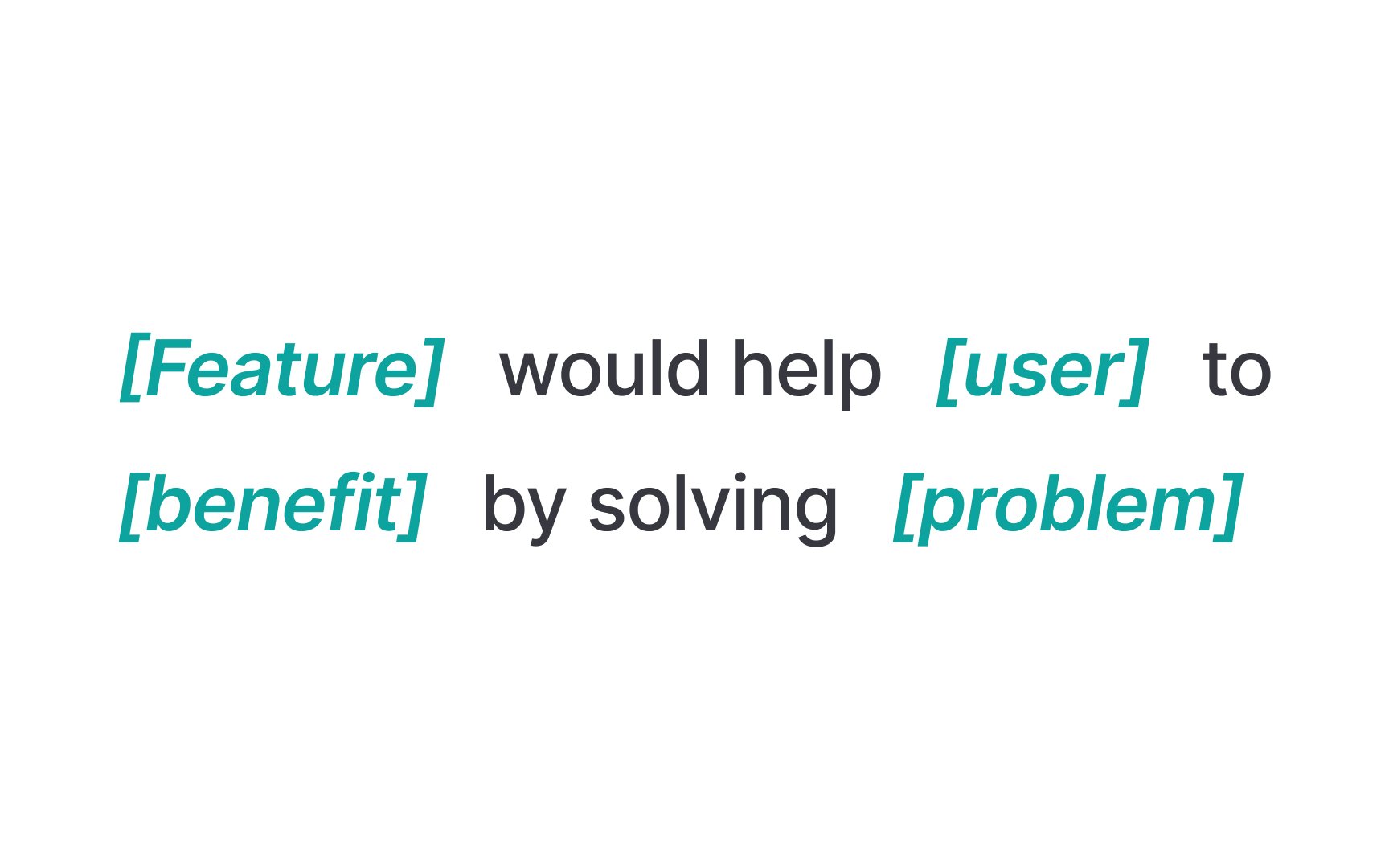
There are many ways to uncover user problems: through interviews, support tickets, usage data, or surveys. Each of these methods highlights where people struggle and what they expect from your product. But raw complaints alone are not enough. To make them useful, you need to turn what you learn into a clear problem statement.
A well-crafted problem statement transforms vague feedback into actionable direction. It captures who experiences the problem, what they are trying to do, and why current solutions fail. This clarity aligns teams and keeps efforts focused on what matters most.
Avoid jumping straight to solutions. For example, “Users need a better search function” is not a problem statement but a solution assumption. Instead, write: “New users can’t find relevant products because our categories don’t match how they think about our inventory, causing 40% to leave without purchasing.”
Once you draft problem statements, test them with your team. Ask if they understand who is affected, why it matters, and whether it opens the door to multiple solutions. Strong problem statements create space for creative thinking instead of locking the team into a single fix.
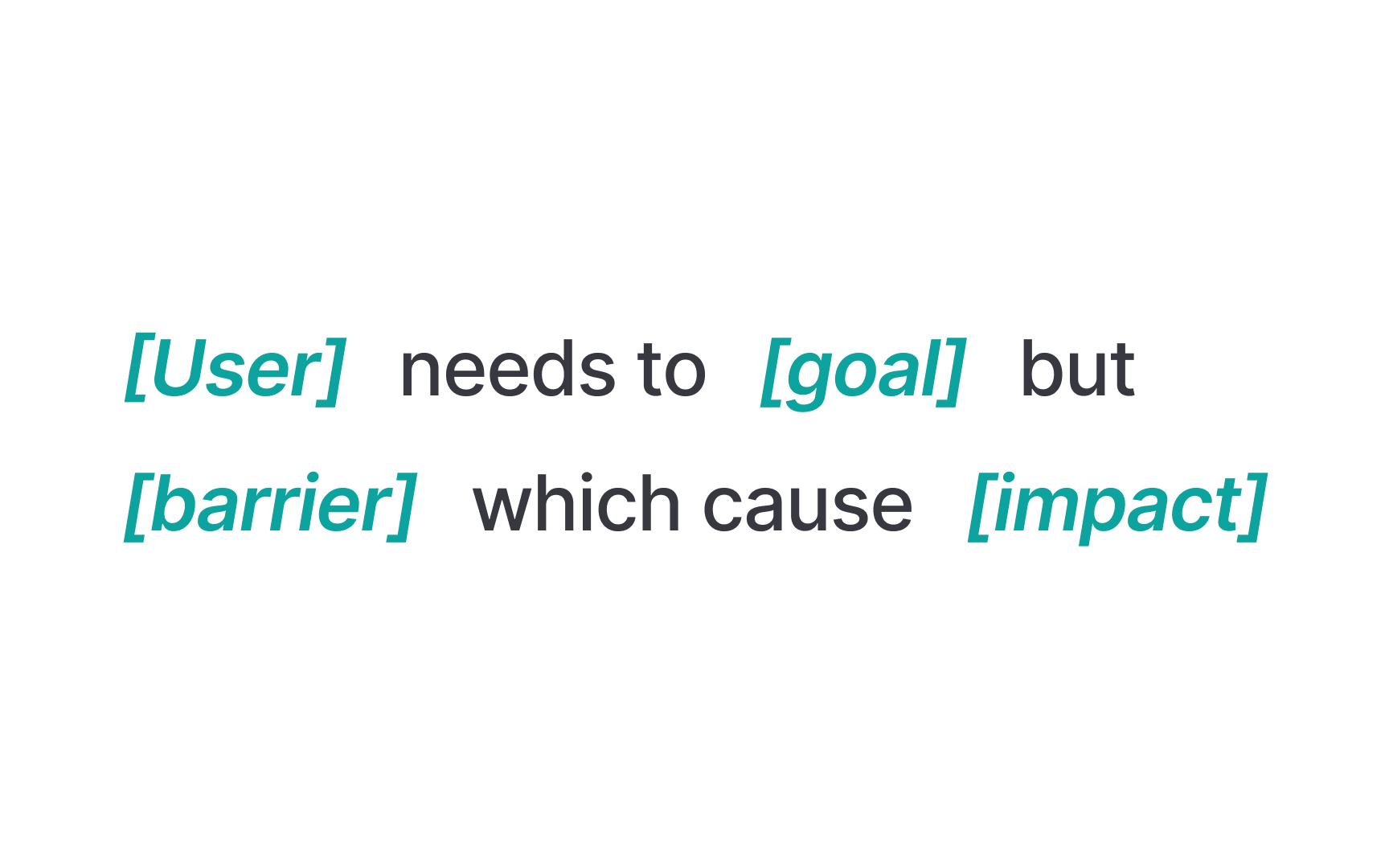
Pro Tip: Use this template: [User] needs to [goal] but [barrier] which causes [impact].
Top contributors