Turning trade-offs and dependencies into strategy
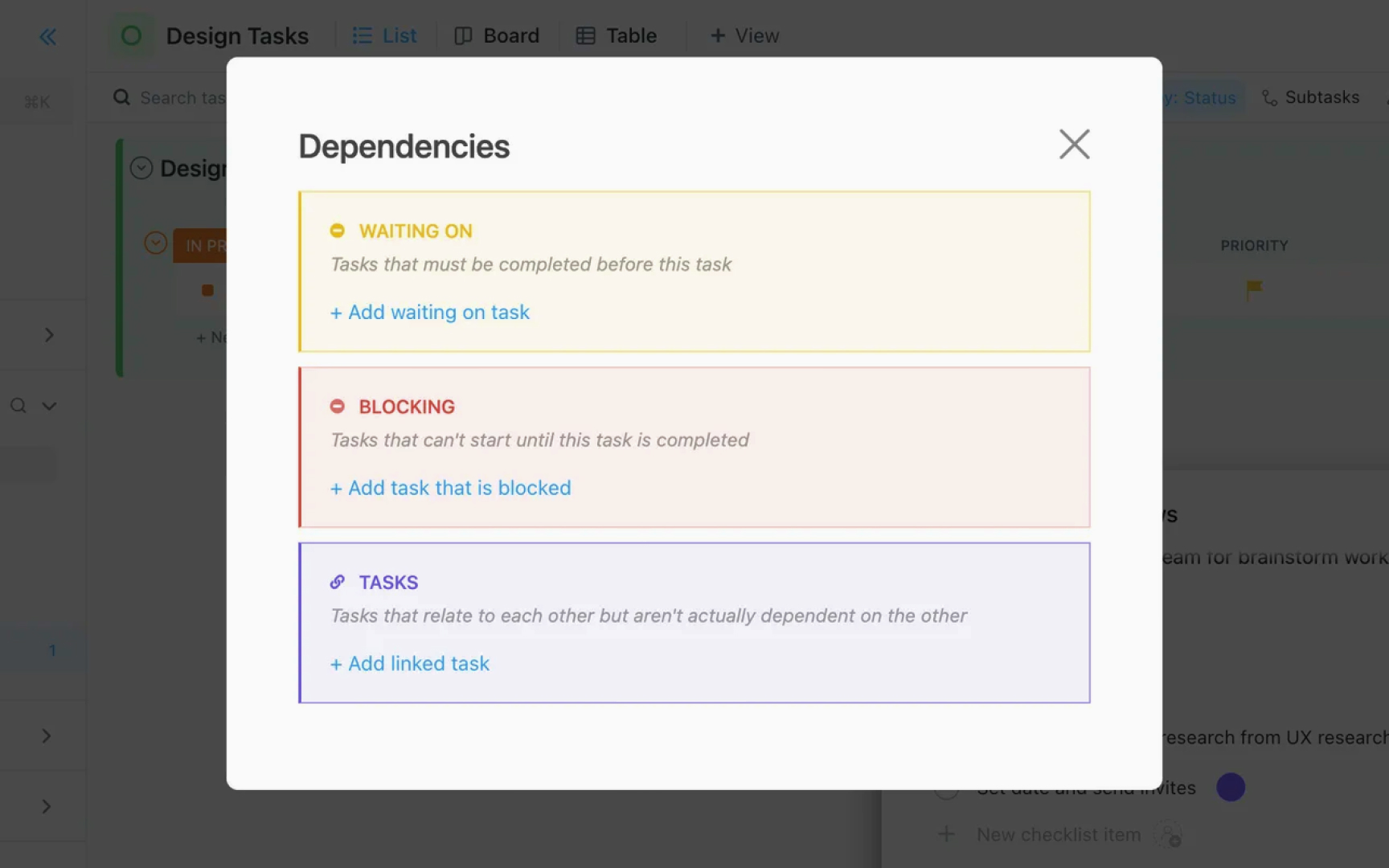
Trade-offs and dependencies are not only delivery concerns but also drivers of long-term choices. At a strategic level, they help product managers decide where to invest first. For example, a team may delay launching a new feature in order to complete an API that multiple products will use. This creates a short-term trade-off but sets up faster progress later. Similarly, investing in core security updates before building new functionality ensures compliance and reduces risk across the portfolio.
Looking at dependencies across teams also prevents siloed planning. If marketing, sales, and support all depend on a new reporting tool, it may take priority over less connected features. Trade-offs then become conscious decisions about whether to maximize immediate user impact, strengthen technical foundations, or meet regulatory requirements. By linking these choices to strategy, product managers turn limitations into a way of focusing effort. The question becomes not just what can we deliver now? but what prepares us best for the future?
Pro Tip: Treat constraints as signals for where to focus effort and unlock broader impact.