Recognizing roadmaps as communication tools
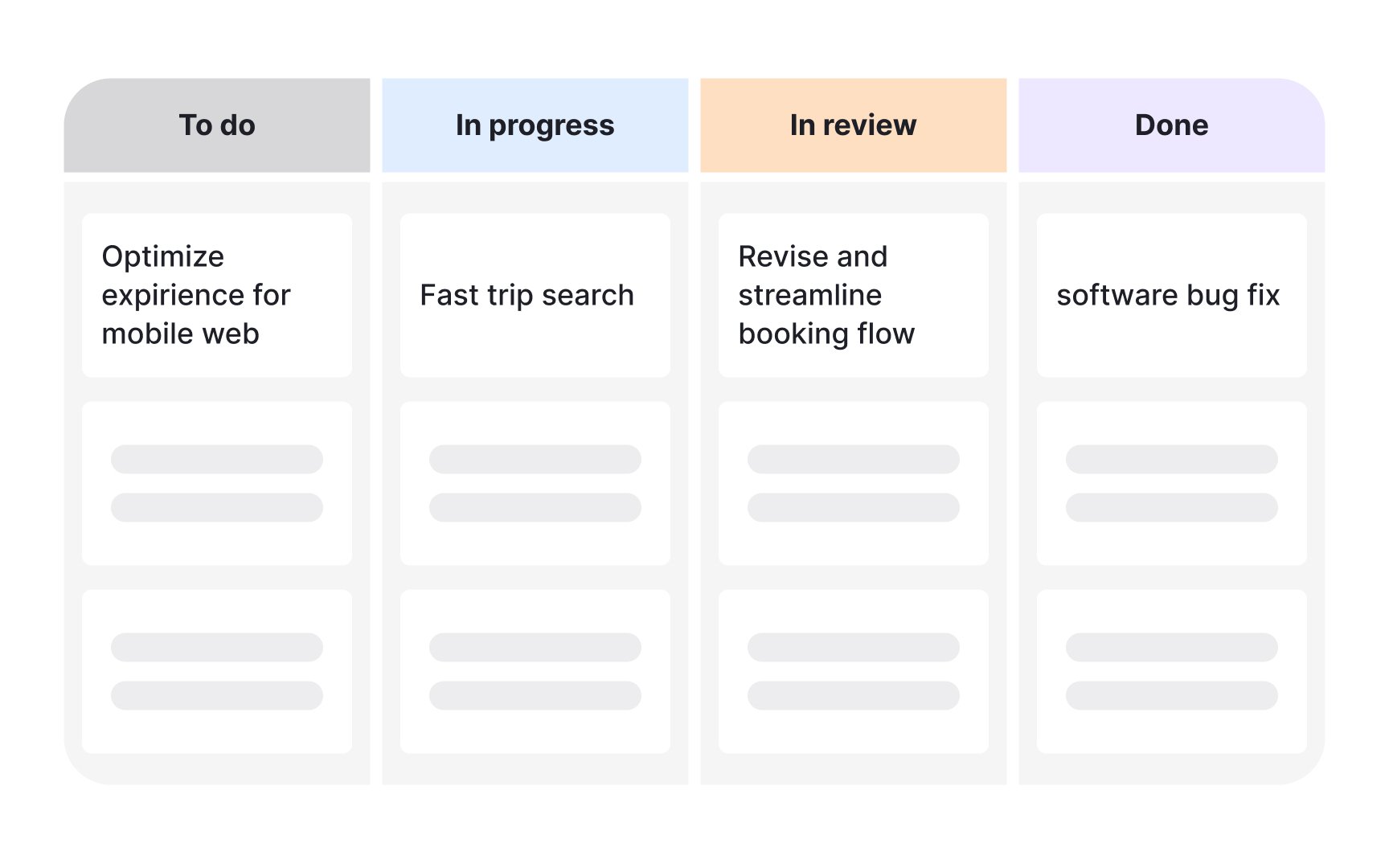
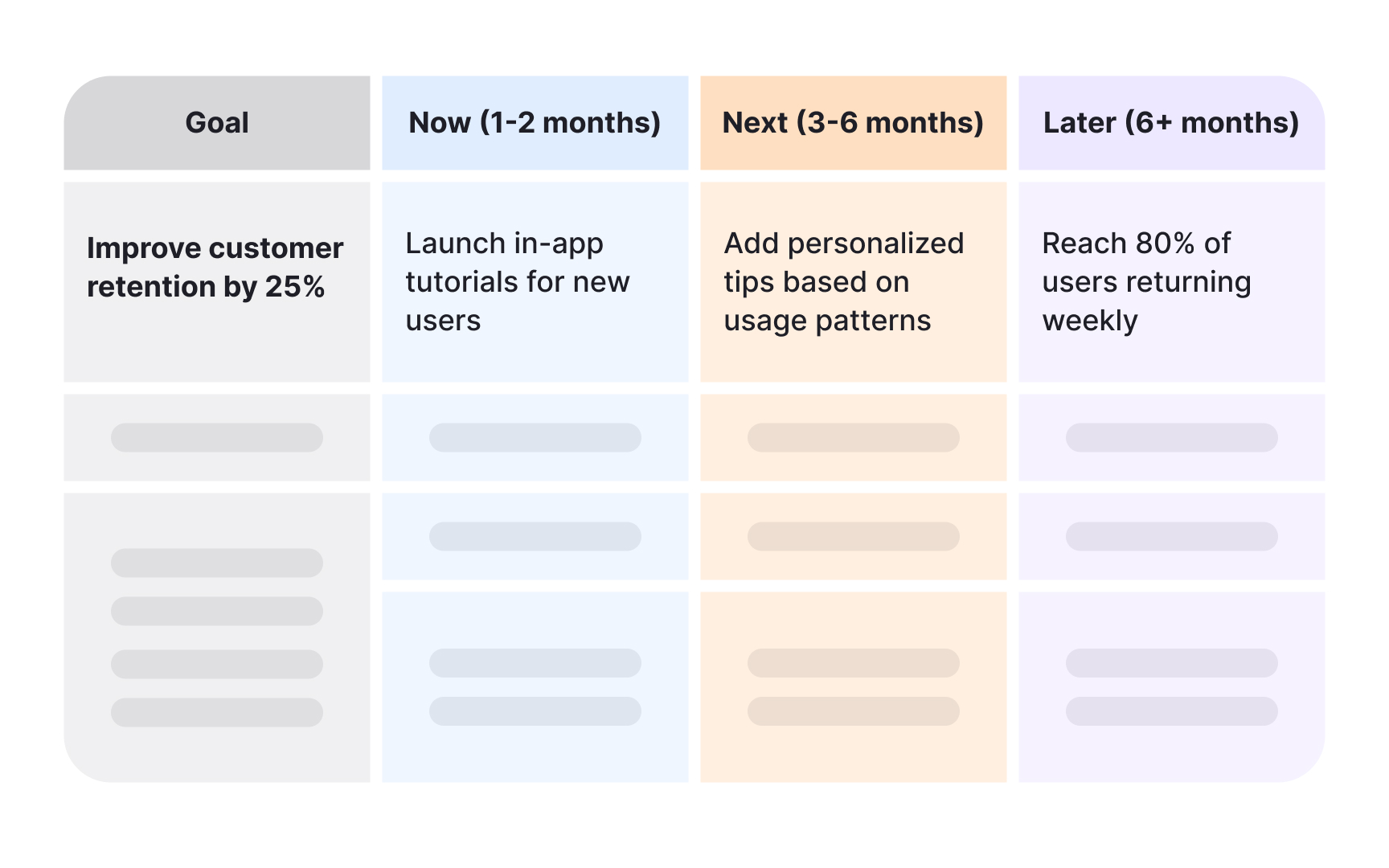
A product roadmap is not a backlog or task list but a communication tool. It conveys the future direction of the product and shows how it may evolve over time. By presenting vision, priorities, and outcomes, it becomes a shared source of truth that aligns teams around intent rather than activity. Unlike static schedules, strong roadmaps highlight why initiatives matter and what value they aim to create. This focus on outcomes prevents the roadmap from being mistaken for a delivery chart.[1]
Because roadmaps communicate, they must adapt to audience needs. Executives often expect a broad view that links investment areas to company goals. Engineering and design teams benefit from visibility into initiatives, dependencies, and risks that guide daily planning. Sales and customer success require simplified versions that help them set realistic expectations with clients, while marketing looks for cues on timing to prepare campaigns. These tailored perspectives show the same direction through different lenses, preventing confusion and ensuring that every group sees how their work contributes to the bigger picture. This approach makes the roadmap a unifying tool for clarity, trust, and collaboration.[2]
References
- Product Roadmaps are NOT Todo Lists — Ant Murphy | Ant Murphy
- Roadmap Is Not About Features - Productfolio | Productfolio