Inclusive language guidelines
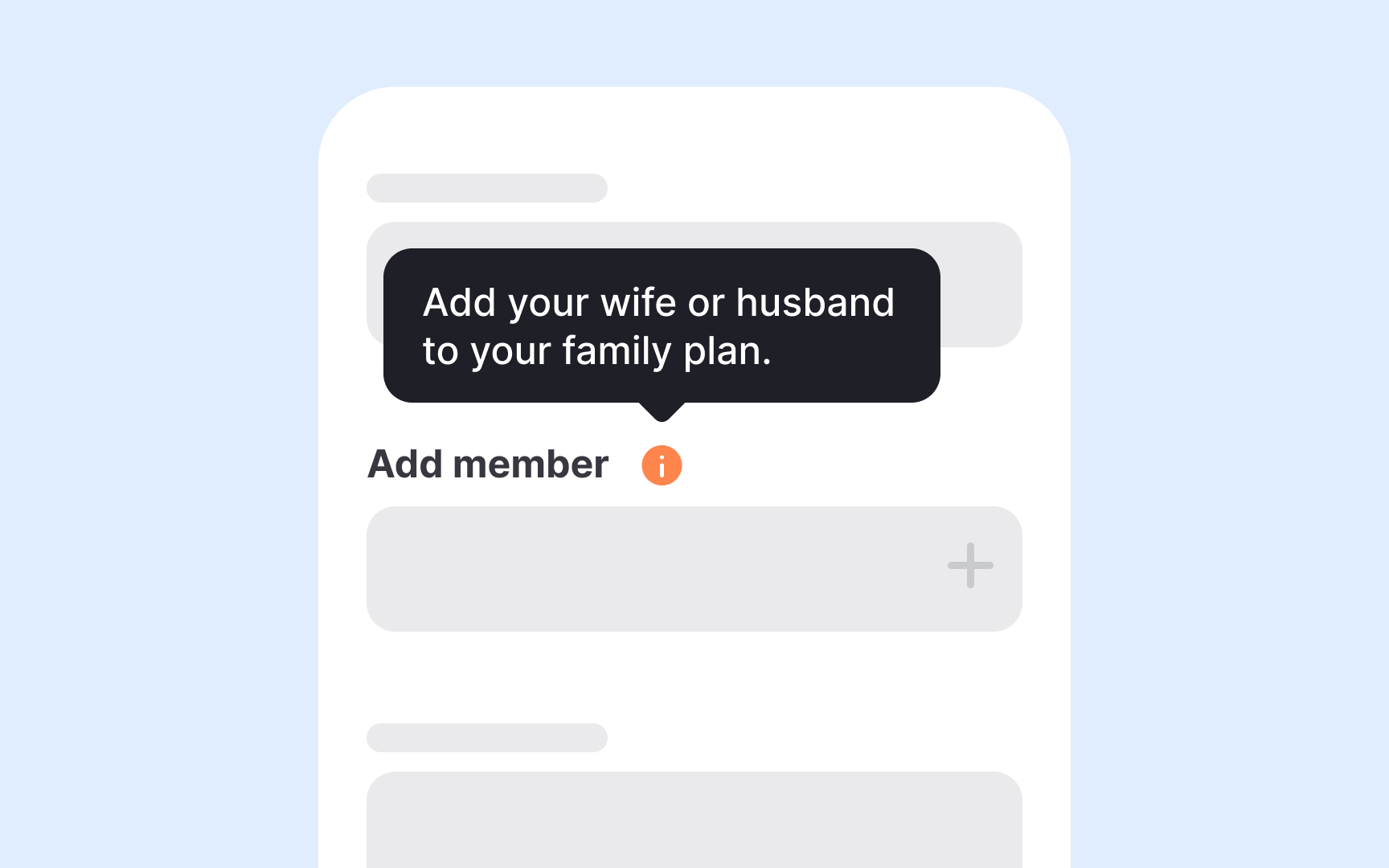
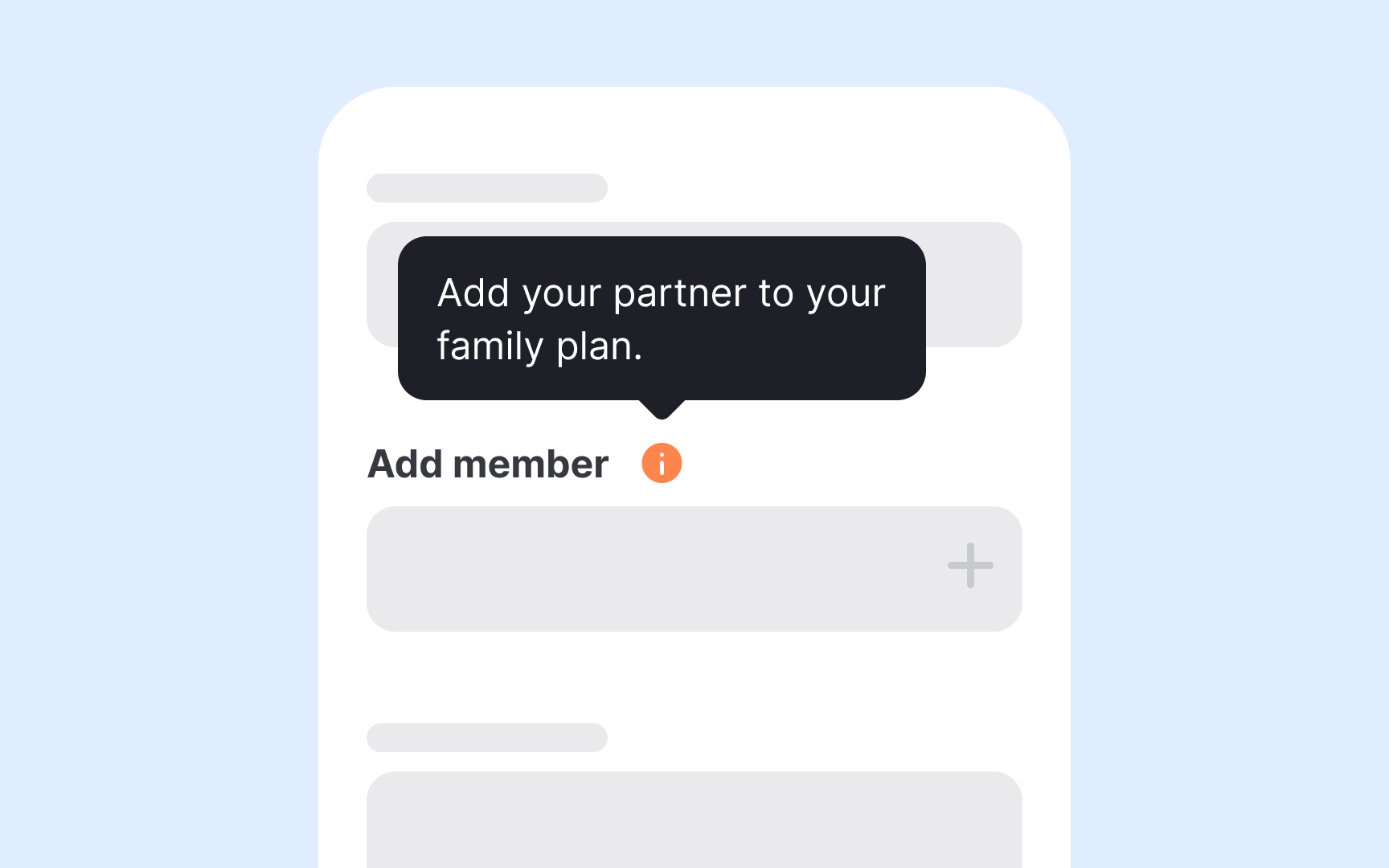
Words shape how people perceive themselves and others in your product. Inclusive language respects diversity and avoids assumptions about users' identities, abilities, backgrounds, or circumstances. This means moving beyond obviously offensive terms to examine subtle biases in everyday product language.
Person-first language emphasizes the individual before their condition: "person with a disability" rather than "disabled person," though some communities prefer identity-first language like "blind person" or "autistic person." When possible, follow the preferences of the communities you're describing. Avoid metaphors that trivialize serious conditions, like "that's crazy" or "this is insane." Use "unexpected" or "unusual" instead.
Gender-neutral language prevents assumptions. Use "they" instead of defaulting to "he" or "she." Replace "guys" with "everyone," "folks," or "team." Avoid unnecessarily gendered terms like "manpower" (use "workforce") or "chairman" (use "chair"). Consider cultural differences in names, addresses, and family structures. Don't assume everyone has a first name and last name, lives at a street address, or fits traditional family models. These small changes accumulate into products that feel welcoming to diverse users.