Structuring accessibility checklists
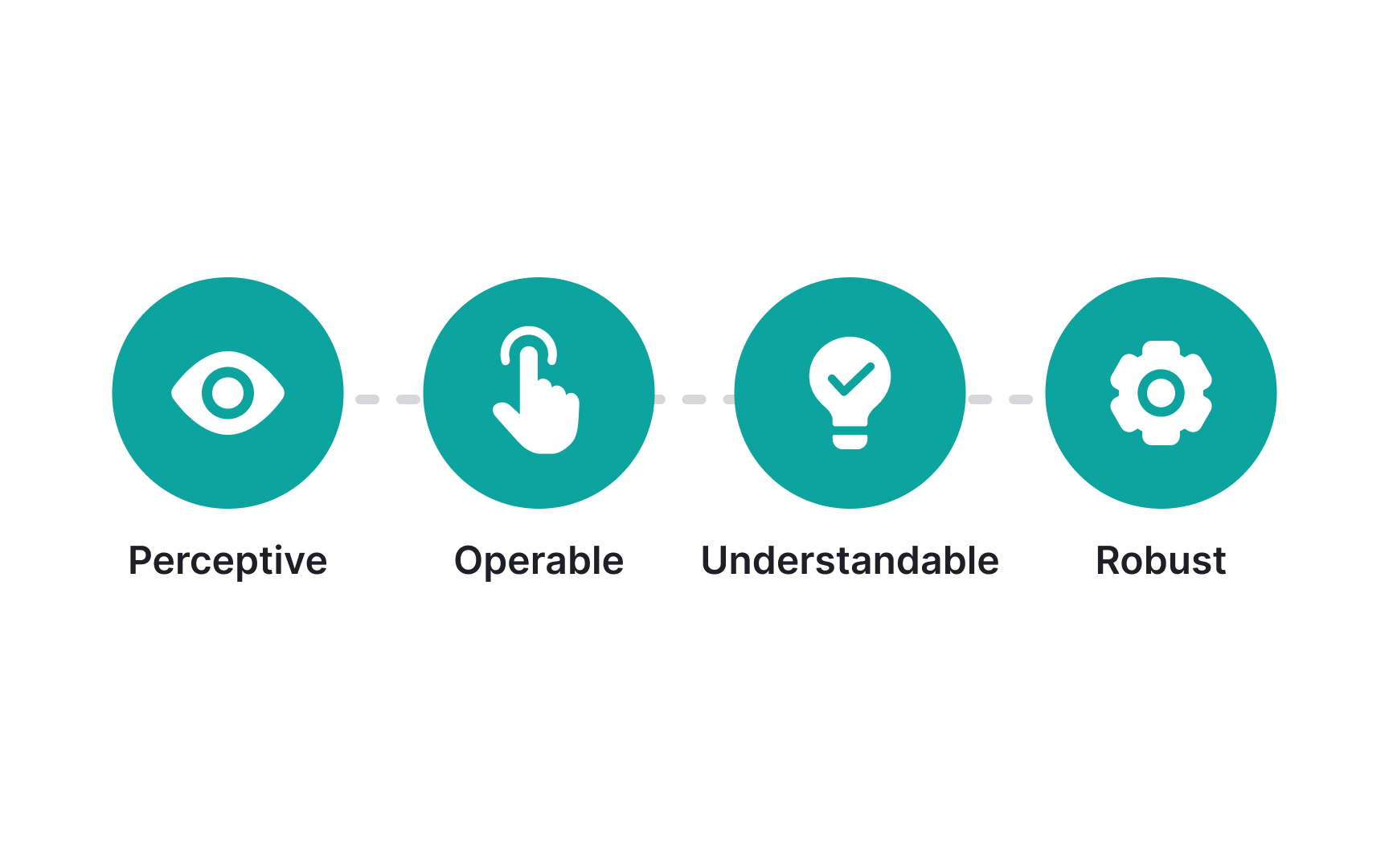
Accessibility checklists transform complex WCAG guidelines into actionable evaluation tools. Moving beyond basic compliance, these structured frameworks help catch both technical violations and usability barriers that might affect users with disabilities. Here are the essential components that every accessibility audit checklist should include:
- Visual accessibility: Tracking color contrast ratios, text scaling behaviors, focus indicators, and alternative text coverage
- Keyboard navigation: Documenting focus order, keyboard traps, shortcut availability, and interactive element reachability
- Screen reader support: Testing ARIA labels, landmark regions, dynamic content updates, and meaningful sequence
- Cognitive aspects: Evaluating content clarity, error prevention, recovery mechanisms, and timing adjustments
- Media accessibility: Checking captions, audio descriptions, transcript availability, and media player control[1]