Avoid contrasting patterns
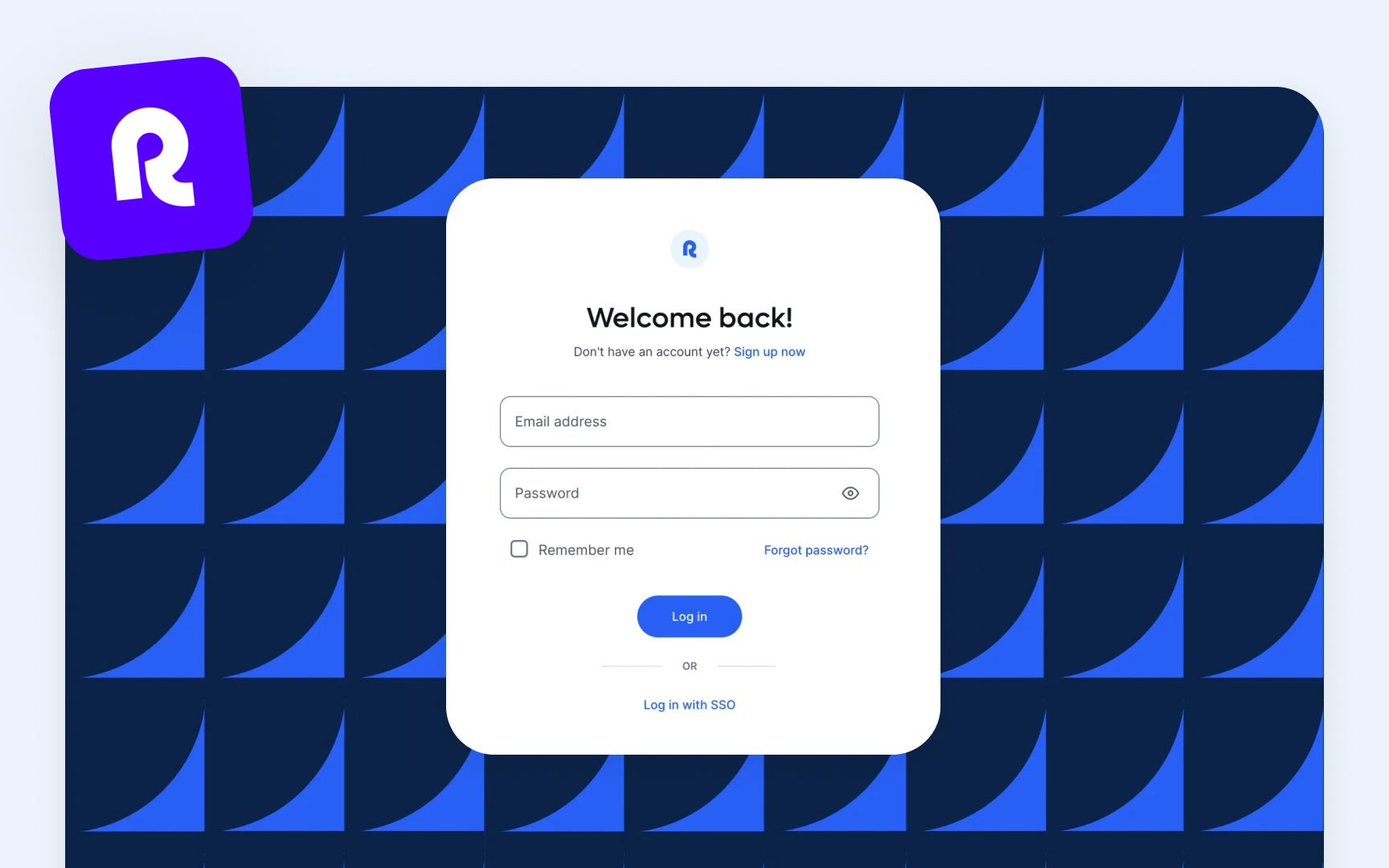
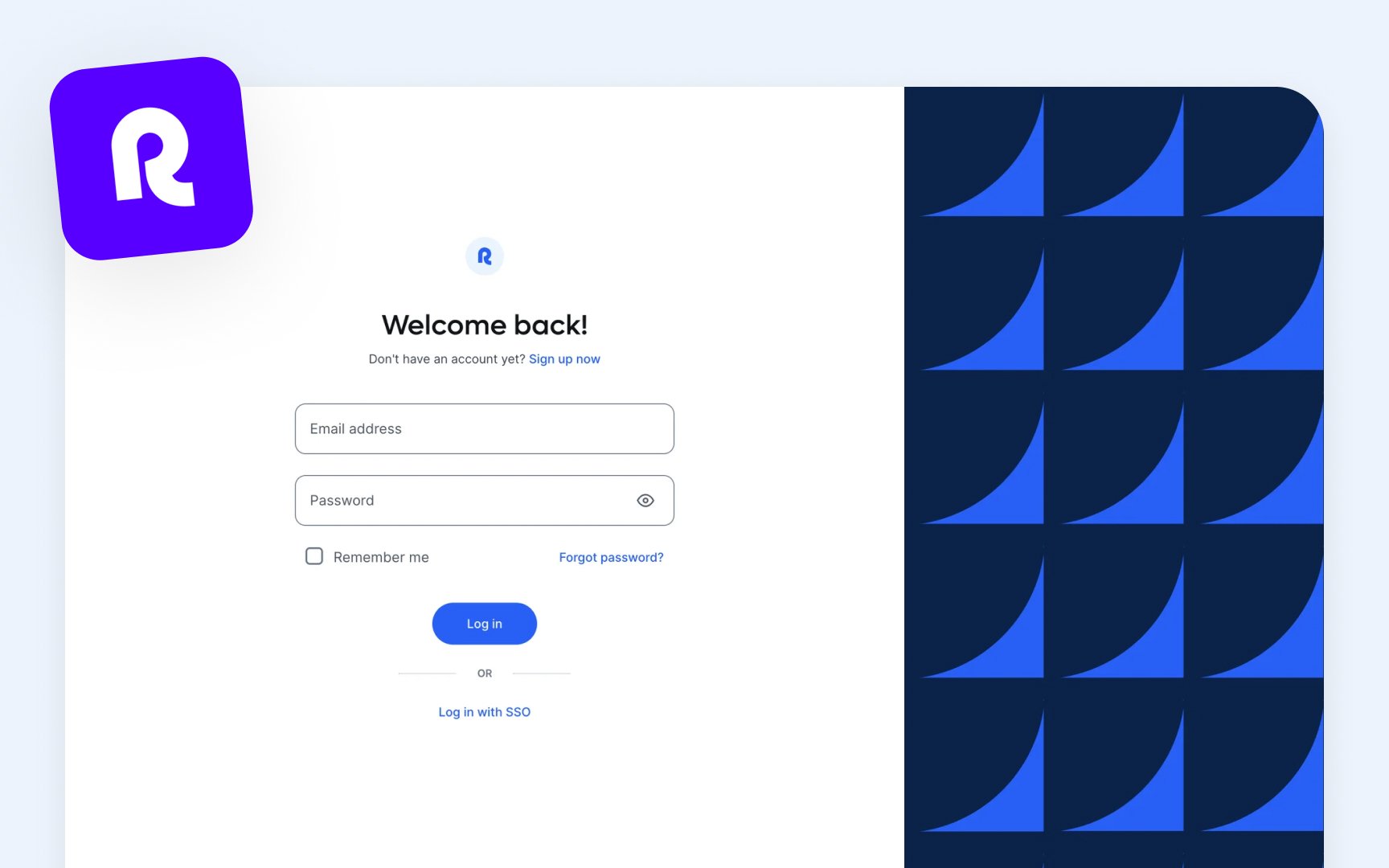
Pattern-induced seizures can occur without any flashing elements, particularly from designs that alternate between light and dark areas. High-contrast patterns create strong visual signals that may overwhelm sensitive neural pathways, potentially triggering seizures in susceptible individuals. Striped patterns require careful consideration in digital interfaces.
The safety threshold depends on the pattern's behavior:
- For dynamic stripes (changing direction, oscillating, or reversing contrast), limit to 5 light-dark pairs
- For static or uniformly moving stripes, using a maximum of 8 light-dark pairs is considered safe
- These same principles apply to checkered patterns and similar geometric designs with strong contrast alternation
Pattern size and screen position also influence risk levels. Large patterns covering significant portions of the screen pose higher risks than smaller, localized patterns. This applies to both decorative elements and functional components like data visualizations or navigation patterns.