Find emotional friction points
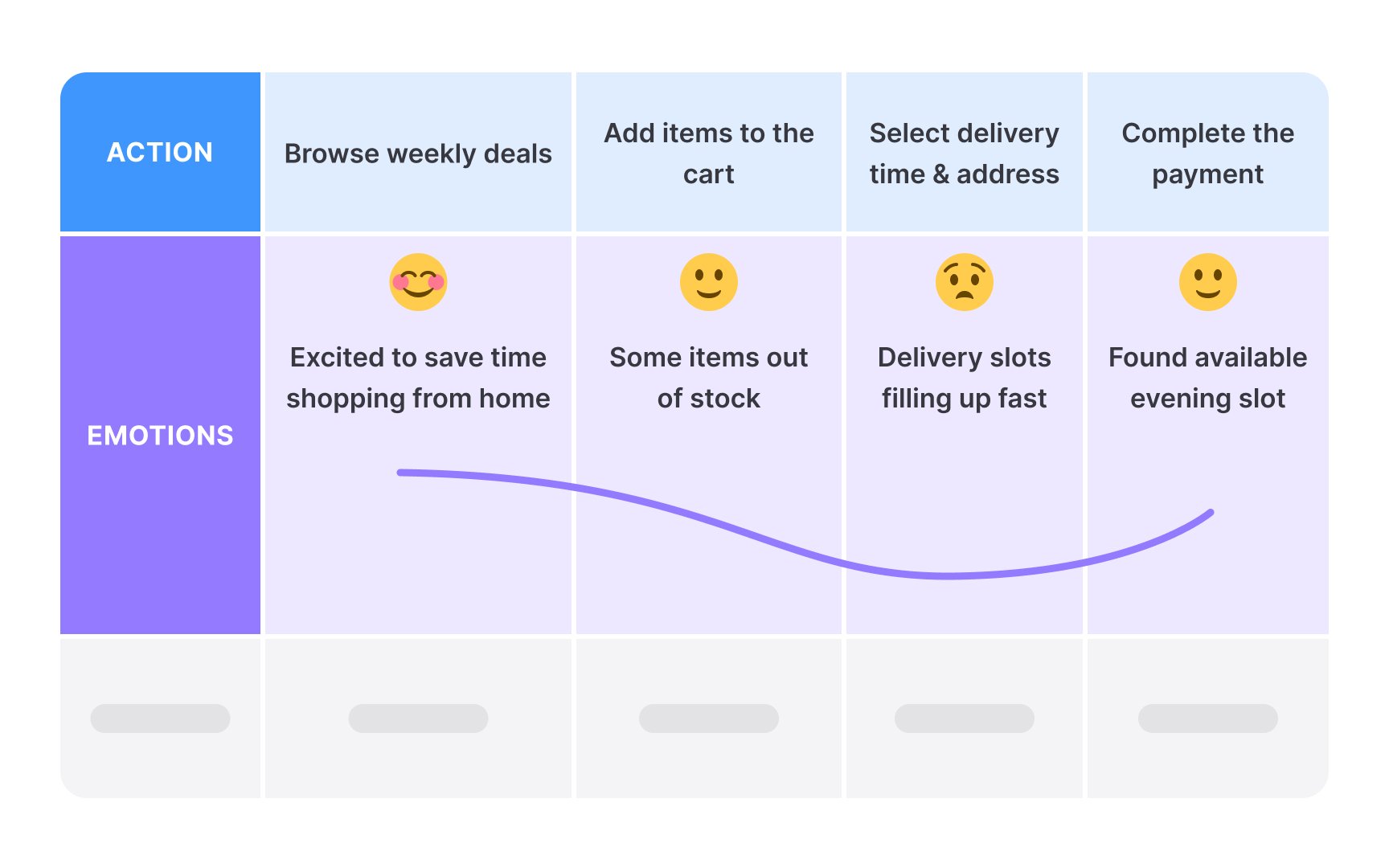
Emotional friction occurs when user expectations clash with reality, creating frustration, confusion, or disappointment. These moments damage trust and loyalty more than functional issues because they affect how users feel about your brand. Identifying emotional friction requires understanding both what users expect and what they actually experience.
Map emotional states throughout the journey using primary research and data analysis. Plot user emotions on a scale from delighted to frustrated, noting triggers for emotional shifts. This emotional layer adds crucial context that pure behavioral data misses.
Common emotional friction points include unclear error messages, lack of progress indicators, or incorrect/outdated instructions. Users might complete tasks successfully but still feel frustrated by the experience. Customer support tickets, sentiment analysis of user feedback, and user interviews reveal these hidden pain points.