Implementing effective feedback loops
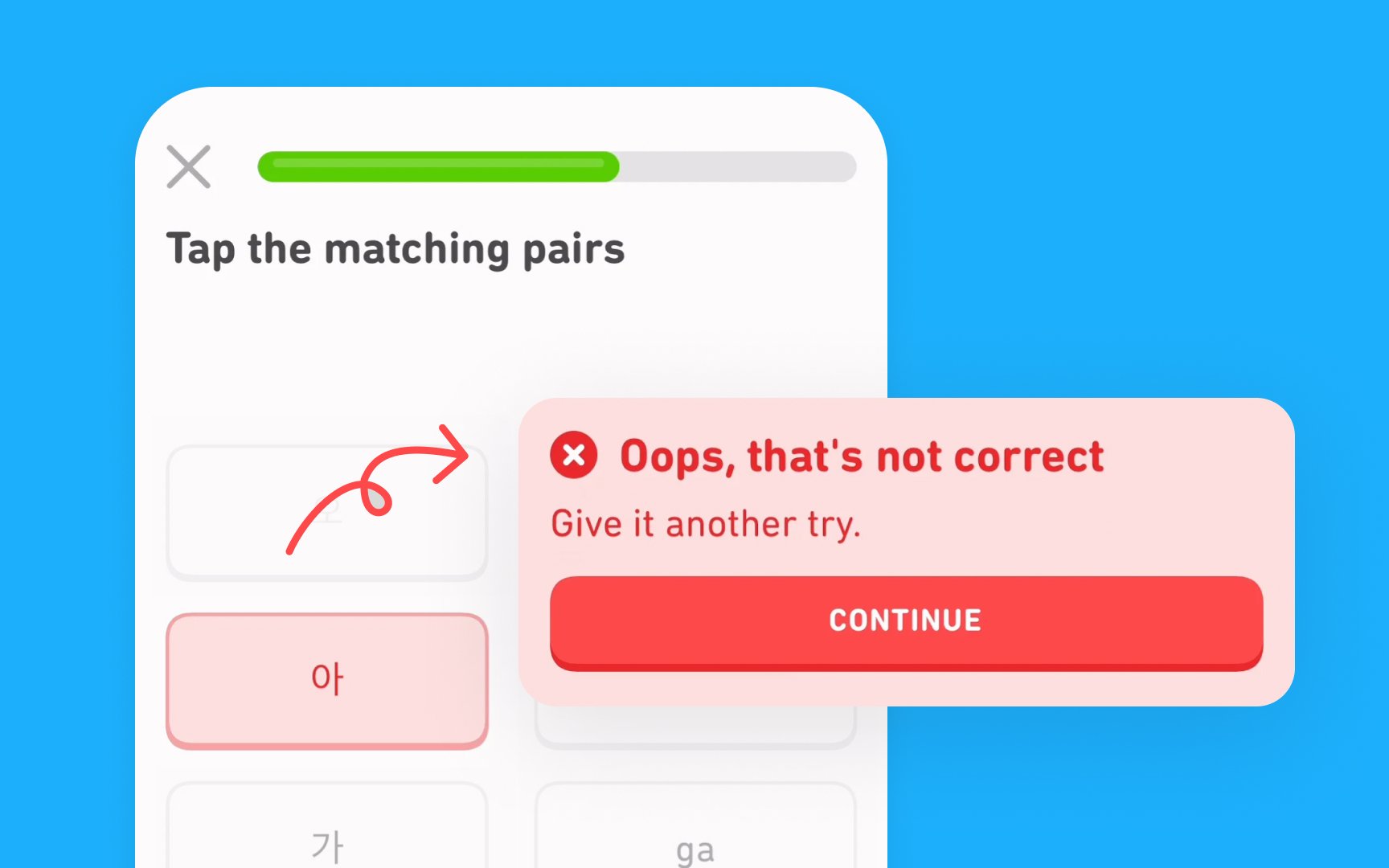
Feedback loops are essential for creating sticky features by providing users with information about their actions and progress, encouraging continued engagement. Well-designed feedback loops can create a sense of momentum, satisfaction, and motivation that keeps users coming back. These loops can be positive (reinforcing desired behaviors) or negative (discouraging undesired behaviors), and can operate on different timescales – from immediate responses to long-term progress tracking.
For example, Duolingo uses immediate feedback loops to confirm correct answers and explain mistakes, coupled with longer-term loops that show overall language proficiency improvement. Similarly, fitness trackers provide instant feedback on steps taken or calories burned, while also showing progress towards larger fitness goals over time. The key to effective feedback loops is making them timely, relevant, and actionable, ensuring users always have a clear sense of their status and what to do next.
Pro Tip: Celebrate micro-achievements. Provide positive feedback for small actions to build momentum and encourage continued engagement.