Hick’s Law
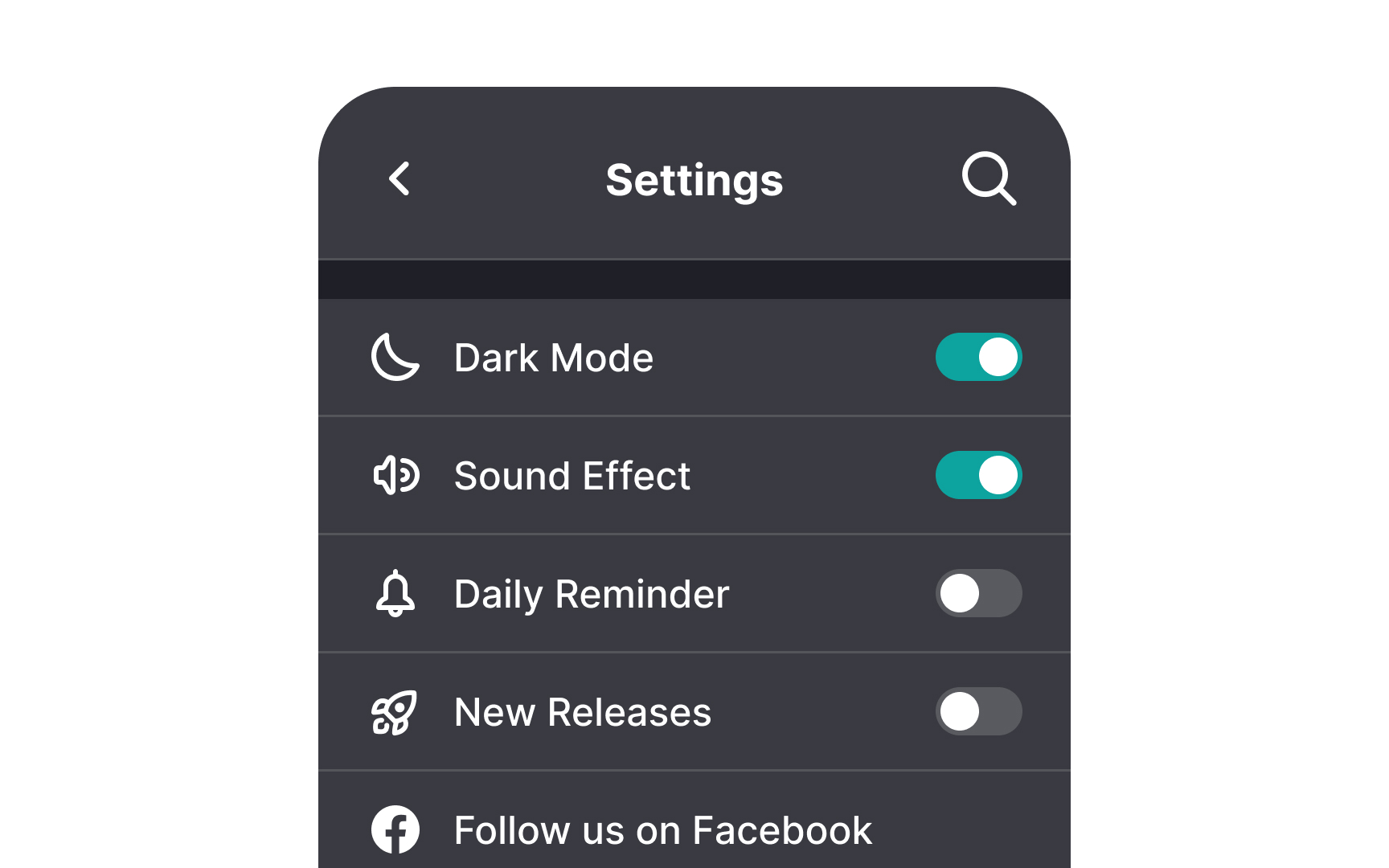
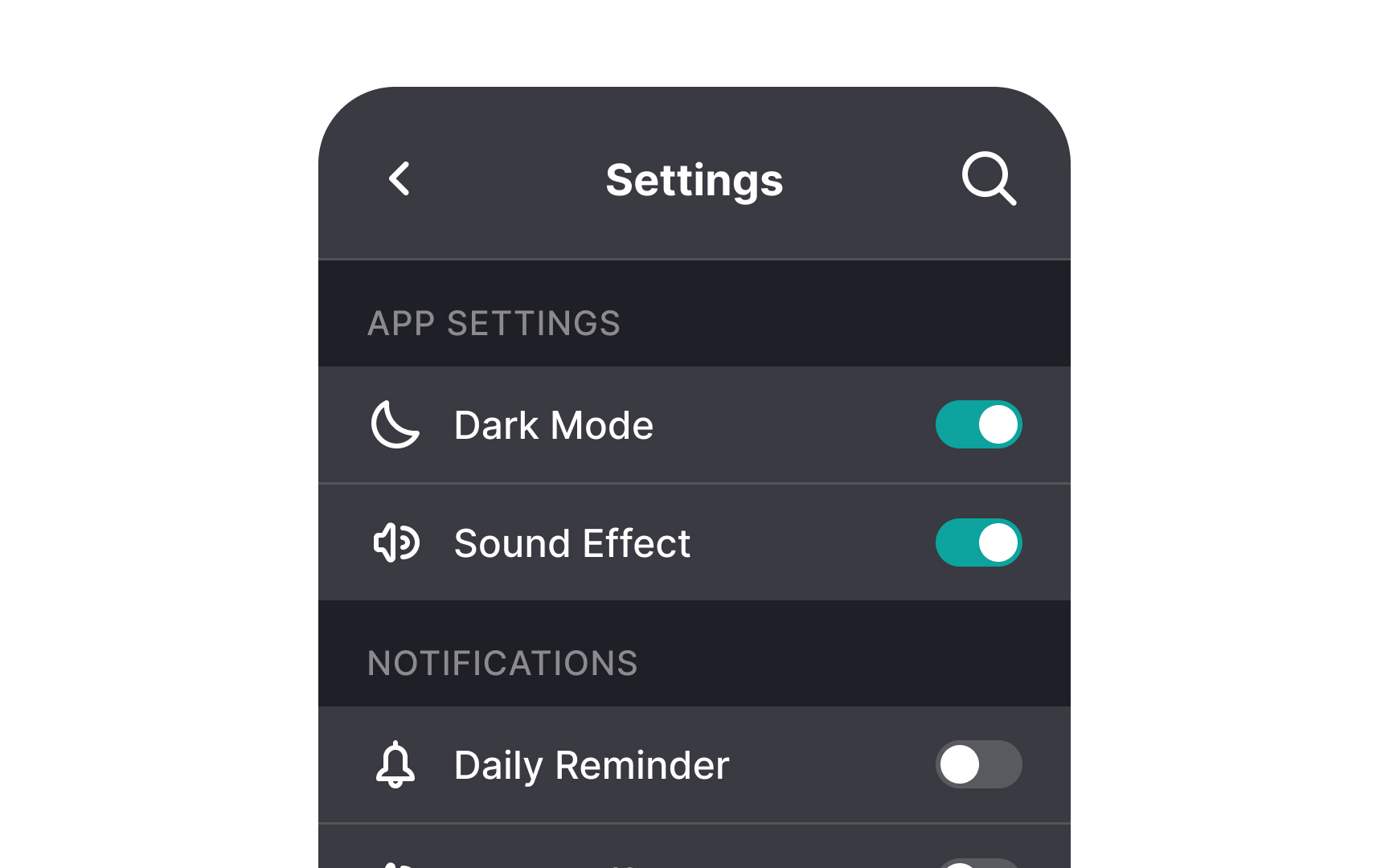
Hick's Law suggests that the more choices presented to users, the longer it takes for them to make a decision. This law is vital for designing user interfaces, aiming to streamline decision-making without necessarily cutting down on functionality.
Here are some strategies to apply Hick’s Law effectively:
- Limit choices: Reduce the number of options visible at any one time. Too many choices can overwhelm users, causing them to disengage or abandon tasks. Simplify interfaces where possible to enhance user experience.
- Use categories: Organize options into clear, logical categories to avoid long, unsorted lists. This not only speeds up the decision-making process but also makes the interface cleaner and more navigable.
- Display essential options: Keep only the most necessary options visible, and hide less frequently used ones. This helps users make quicker decisions without removing functionality. Provide access to additional settings or features upon request.