Active Listening and Communication Loops
Build stronger connections with stakeholders by speaking clearly and listening with care.
Many project issues come from simple misunderstandings, not bad intentions. Clear and caring communication helps prevent that. When messages are easy to follow and everyone feels heard, collaboration becomes smoother and trust grows.
This lesson shows how to make your communication feel more human while staying clear and professional. It’s about really listening, not just waiting to talk. When you take time to understand others’ points, reflect back what you’ve heard, and show empathy, people open up. They feel respected and are more willing to cooperate.
You’ll also learn how to choose the right tone and format, like when to write an email and when a quick call works better. Step by step, you’ll see how empathy and clarity together make every conversation more effective and enjoyable for everyone involved.
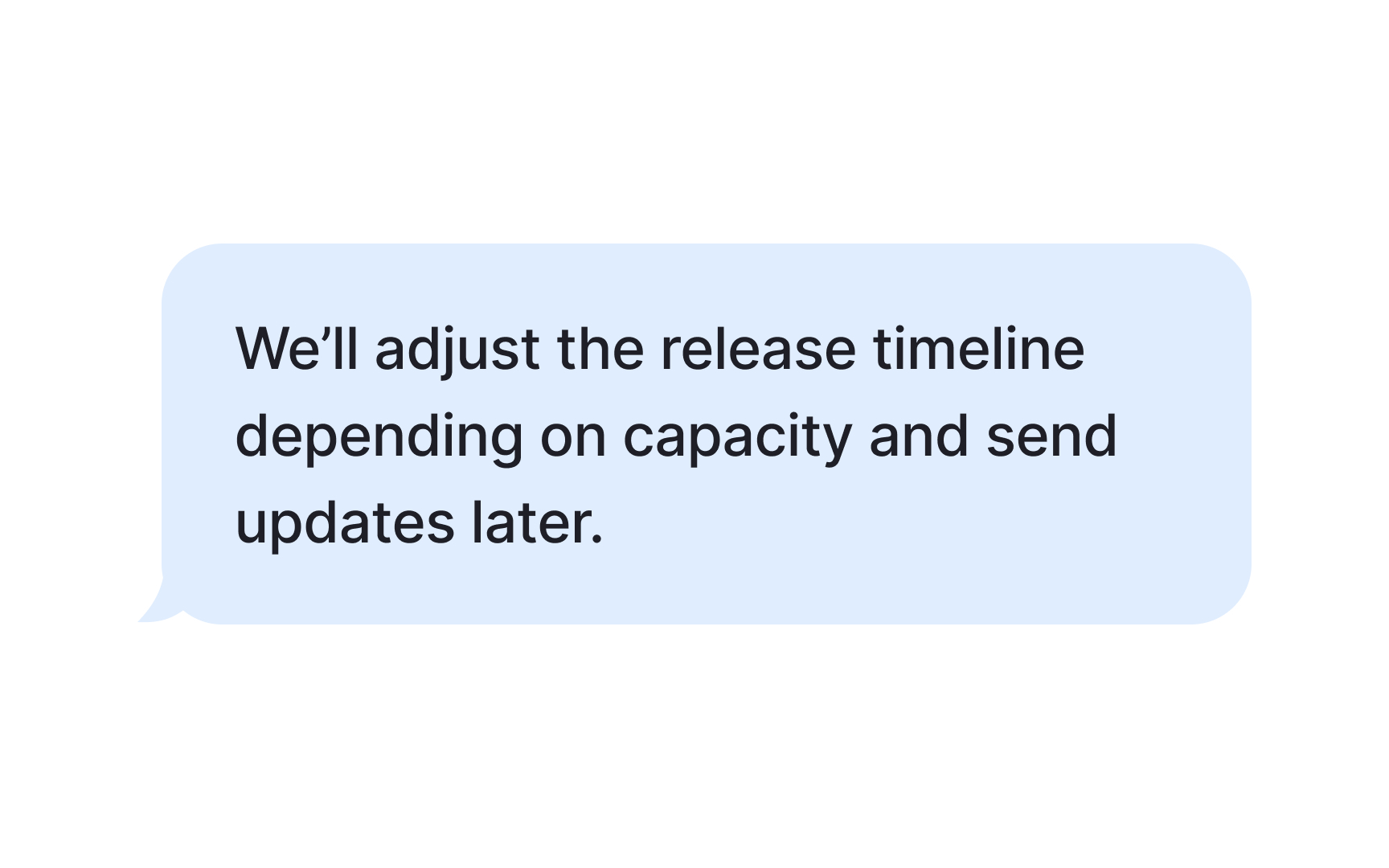
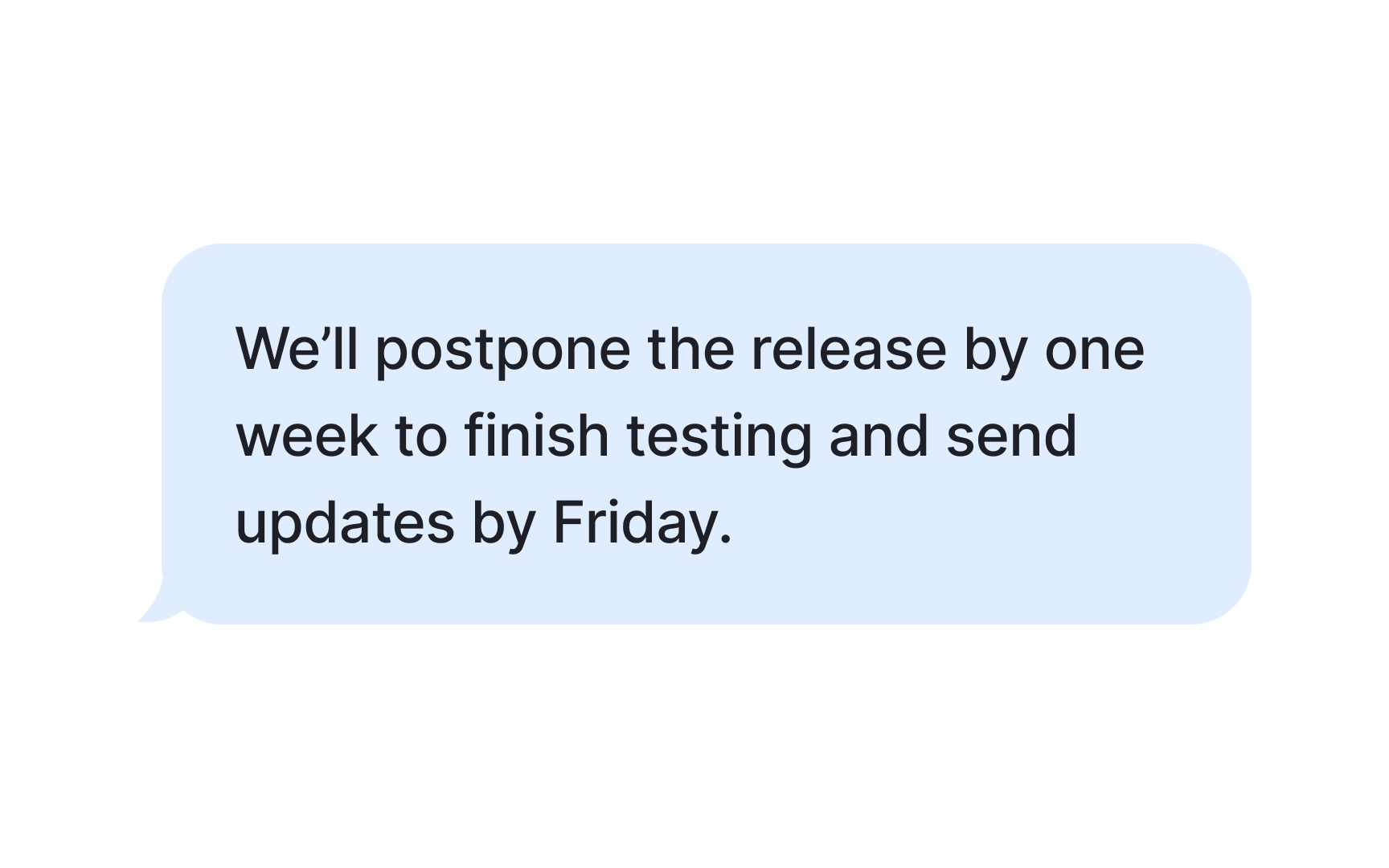
When communication lacks clarity, small misunderstandings can quickly turn into bigger problems. Unclear messages often come from using too much jargon, long explanations, or skipping important details. For example, a project update like “We’ll adjust delivery based on current capacity” sounds professional but leaves room for confusion. Who will make the adjustment? When will it happen? What exactly does “current capacity” mean? When stakeholders receive messages like this, they start to guess or make their own interpretations, which can lead to mistakes or frustration.
To make your messages clearer, focus on being simple, specific, and structured. Start with the most important information and explain one idea at a time. Short sentences and plain language help everyone follow along, especially when projects involve different teams or cultural backgrounds. Checking that your messages are complete and consistent across channels, like
Pro Tip: Replace vague phrases with clear details so everyone knows exactly what to expect.


Communication is not only about words. Tone of voice, facial expression, and timing reveal how someone really feels about a topic. Still, it is important to remember that not everyone shows emotions in the same way. Some stakeholders are naturally quiet, while others speak more openly. What matters is noticing when their behavior changes. For example, if someone who usually talks a lot suddenly becomes very brief or distant, it might show discomfort or concern. At the same time, someone who is always reserved might not be upset. They may simply prefer to listen more than speak.
Being sensitive to these differences helps you react with care. Pay attention to unusual pauses, changes in tone, or slower replies in digital communication. These signs can mean that the person needs reassurance or clearer information. But also keep in mind that people sometimes behave differently because of personal issues that have nothing to do with work. It is better to look for patterns over time instead of reacting to a single situation. Observing these signals calmly and asking open questions when something feels off helps keep the conversation open and respectful.[2]
Pro Tip: Look for patterns over time to understand what a change in tone or behavior might really mean.


Active listening means focusing fully on what someone is saying instead of thinking about what to say next. It helps you catch details, understand context, and notice emotions behind the words. When you listen in this way, people feel heard and respected, which makes communication smoother and more honest. In stakeholder work, this can prevent small misunderstandings from growing into conflicts.
Here are a few simple ways to practice active listening in everyday conversations:
- Keep your attention on the speaker.
- Avoid distractions and maintain eye contact if possible.
- Use small verbal signals like “I see” or “That makes sense” to show engagement.
- Paraphrase what you heard in simple words to check understanding.
For example, you might say, “So you’re concerned about the project timeline, right?” This confirms that you understood correctly and gives the other person a chance to clarify or expand. Over time, these small habits help build stronger trust and cooperation across teams.
Pro Tip: Repeat key points in your own words to confirm you understood them correctly.
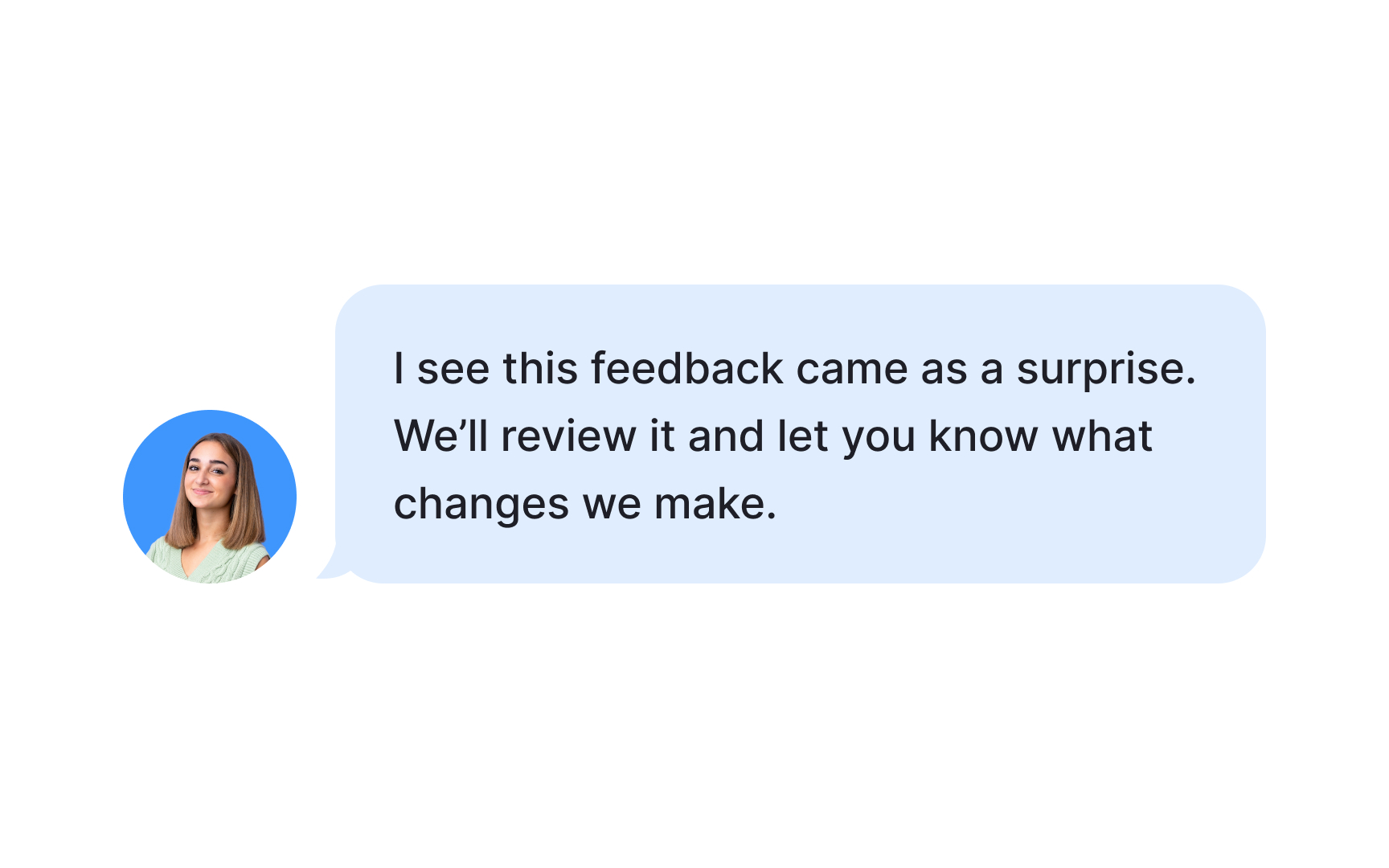
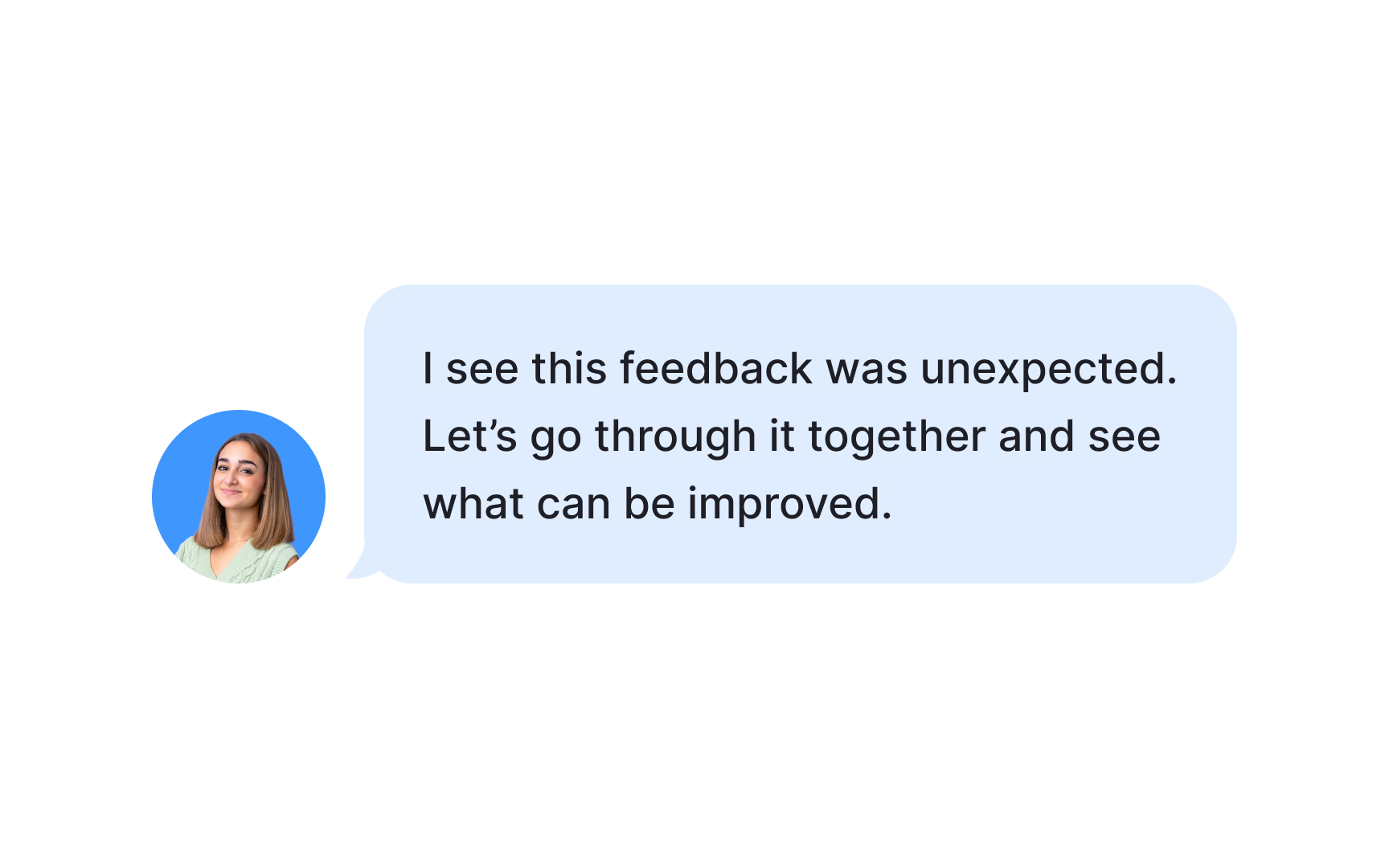
To apply empathy in daily communication, start by paying attention to emotions, not just facts. If a stakeholder seems frustrated, acknowledge it calmly by saying something like, “I can see this has been stressful for you.” This shows care and understanding without taking sides. When you combine empathy with clear explanations and next steps, you create a balance between kindness and structure. This approach helps maintain relationships built on both respect and reliability.[3]
Pro Tip: Acknowledge emotions before offering solutions to make people feel truly heard.
Different situations call for different ways to communicate. Written formats such as
Verbal communication, like meetings or calls, is often better for emotional or sensitive topics. It allows people to hear tone, ask questions, and respond immediately. This makes it easier to solve issues or clarify misunderstandings on the spot.
For remote teams, the ethics of choosing the right channel become even more important, since stakeholders may be spread across different time zones. Consider how your message’s timing or format affects their ability to respond. Sometimes, combining both written and verbal communication works best, for example, sending a short summary after a call helps everyone stay aligned and informed.
Pro Tip: In remote teams, choose channels and timing carefully to respect time zones and keep communication fair.
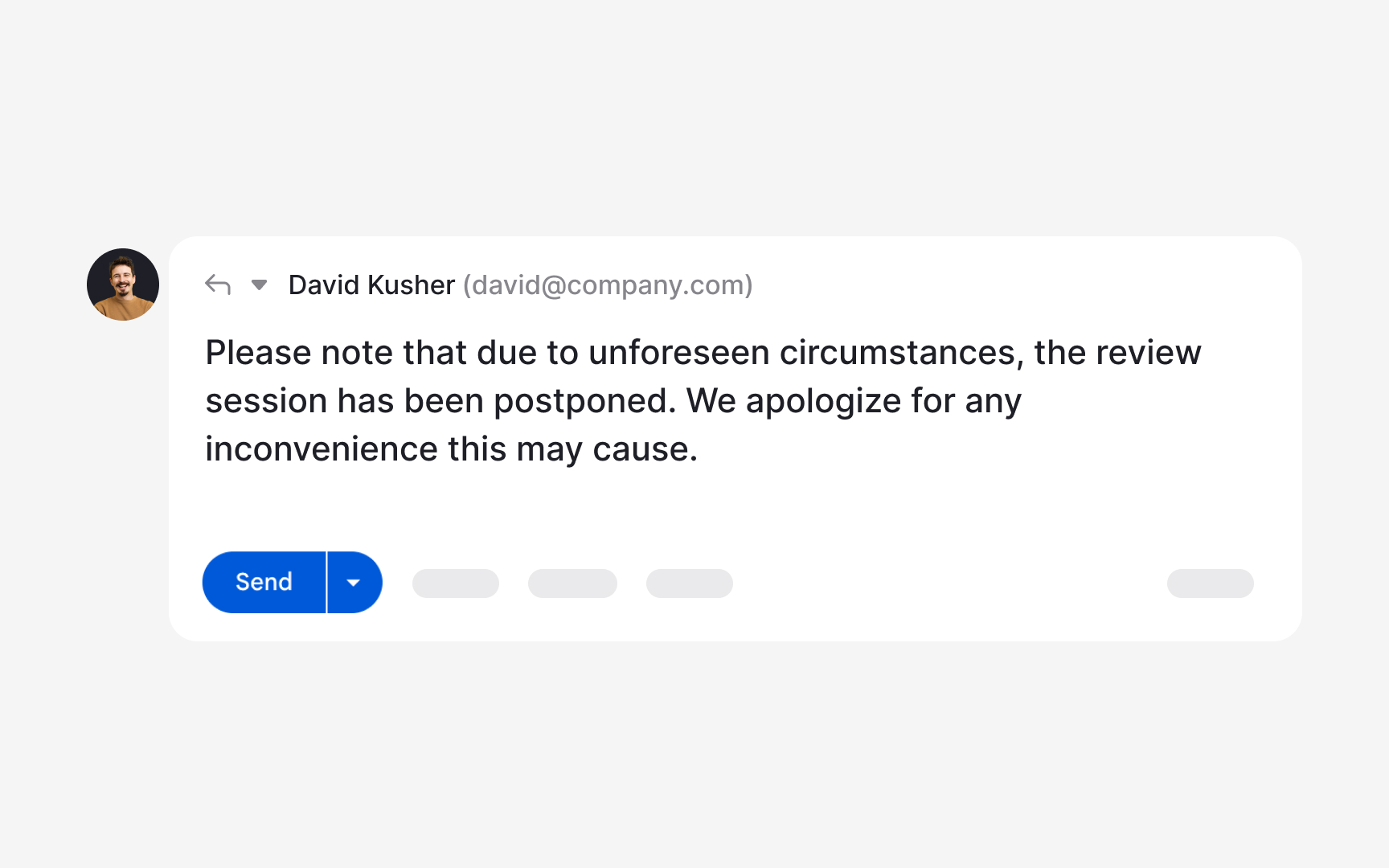
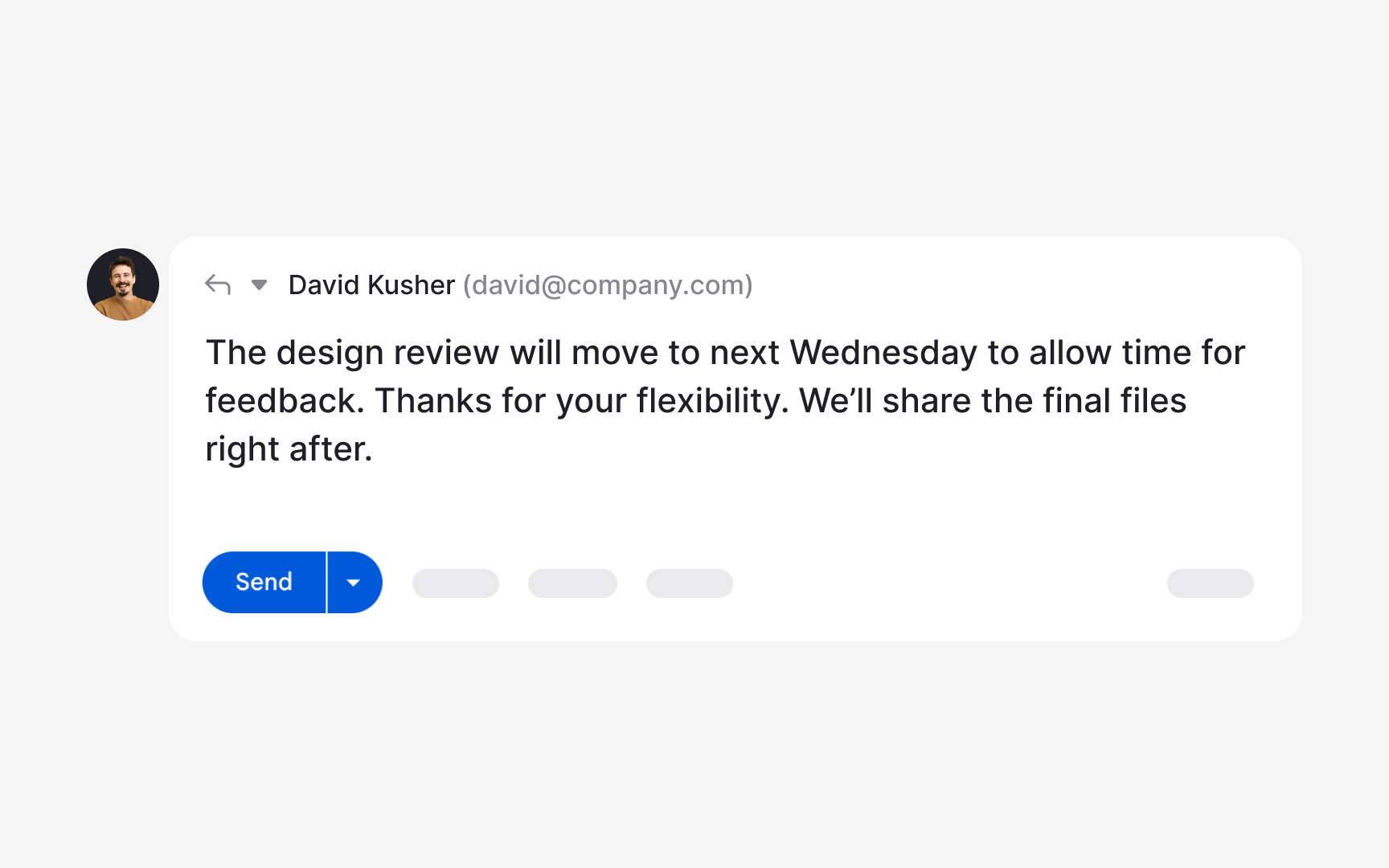
Emails remain one of the most common ways to connect with stakeholders. They are useful for sharing updates, confirming decisions, and keeping records. But long or unclear emails can cause confusion or be ignored. A well-written
To write effective stakeholder emails:
- Start with a clear subject line that shows what the message is about.
- Keep paragraphs short and focused on one idea each.
- Use a respectful, friendly tone and include only relevant details.
- If you need a response or decision, clearly state what you expect and by when.
- Reread your message to check for clarity, spelling, and tone before sending.
AI tools can help you draft emails faster, but use them with care. They can make your message sound too formal or impersonal, or sometimes too short and unclear. Always review AI-generated text to make sure it reflects your real voice and context. Consistent and thoughtful emails help you maintain trust and make collaboration easier.
Pro Tip: Use AI only as a helper, not a substitute. Your tone and clarity matter more than speed.
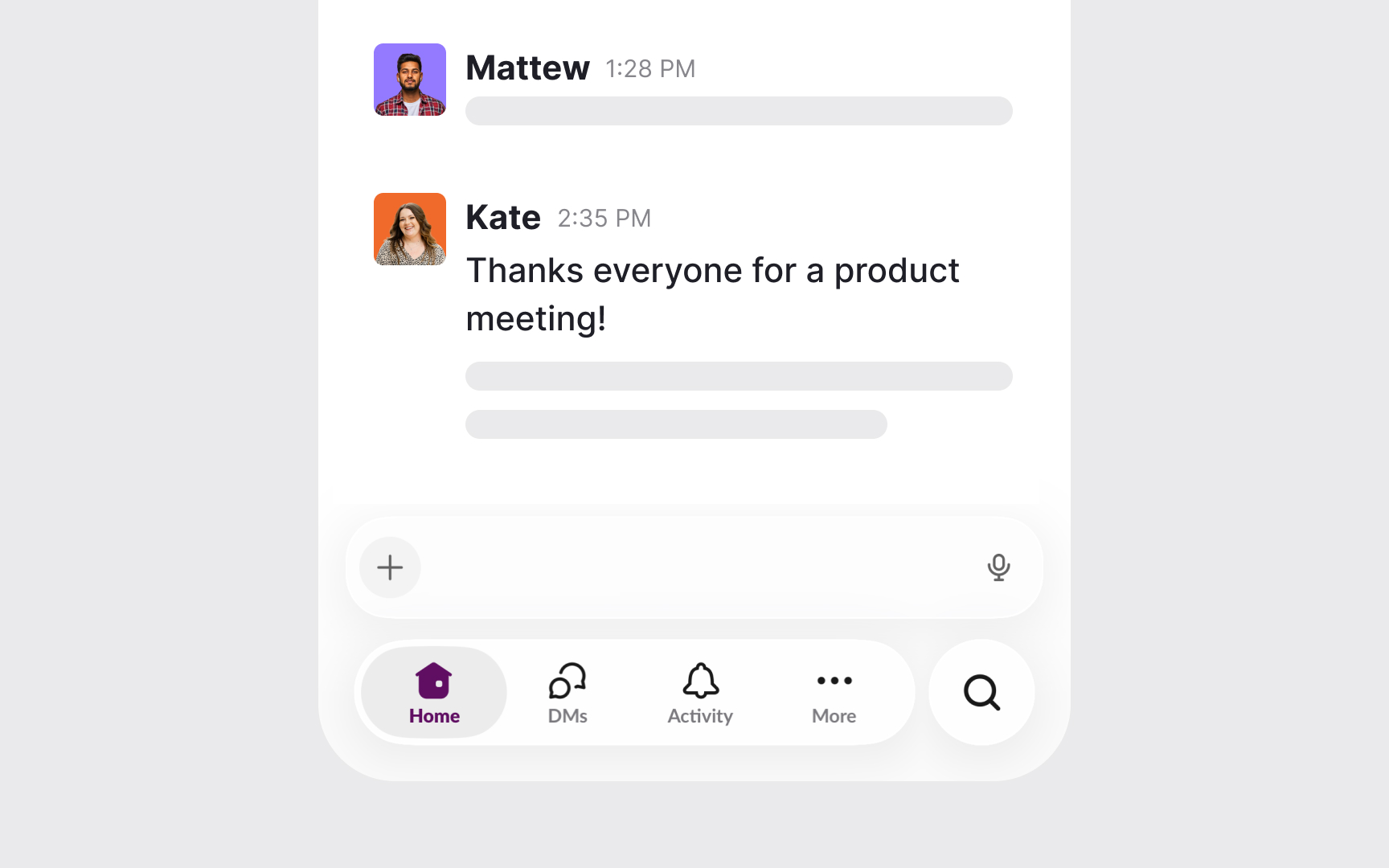
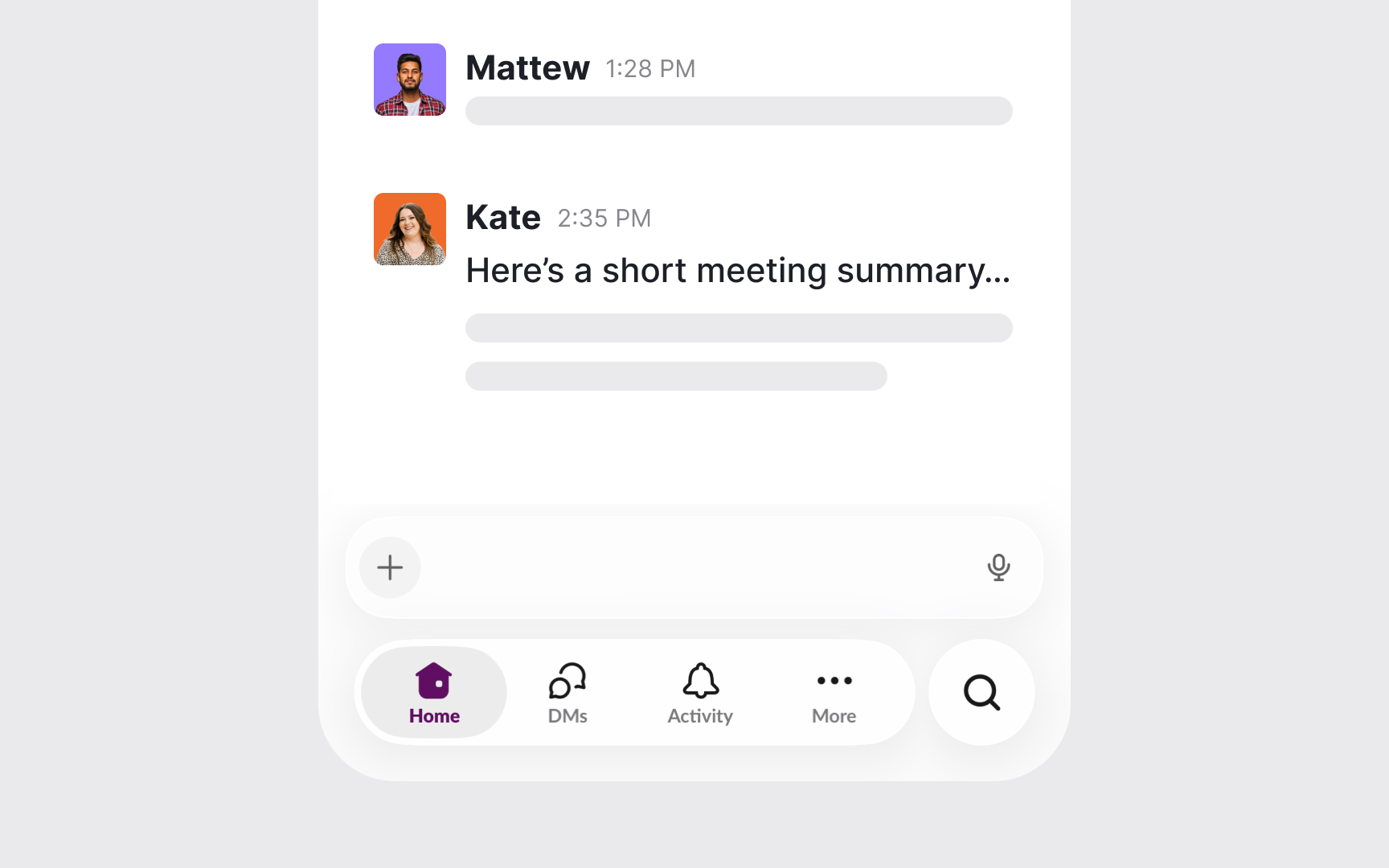
Misunderstandings often appear when information is shared too quickly or without enough context. They can also happen when people assume others interpret words the same way they do. In stakeholder communication, even a small mix-up in meaning can cause delays or unnecessary tension. The goal is to notice early signs of confusion and clear them up before they grow into bigger issues.
To prevent misunderstandings, make sure everyone agrees on the same definitions, timelines, and responsibilities. Summarize what was discussed at the end of meetings or messages to confirm alignment. Encourage stakeholders to ask questions or restate agreements in their own words to verify understanding.
Keeping your communication clear, honest, and regular helps reduce the chances of mixed messages. Over time, this creates a shared rhythm of communication where everyone feels confident about what is expected and when.[4]
Two-way communication helps projects grow stronger. Feedback loops make this possible by turning one-time conversations into continuous learning. They show stakeholders that their opinions are heard and valued, not just collected and forgotten. Regular feedback also helps teams spot issues early and adjust their approach before problems become serious.
To create effective feedback loops, offer simple and accessible ways for stakeholders to share their thoughts. This might include short surveys, quick check-in calls, or space for comments in reports or project tools. What matters most is to respond to feedback with visible actions. A short message showing what changed as a result of stakeholder input can build more trust than any formal report. Over time, these loops make communication more transparent and collaborative.
Pro Tip: Always close the loop by showing what you changed after feedback, so people see their voice matters.
Consistency builds confidence, while transparency builds trust. When stakeholders see regular updates that match what was promised, they start to rely on your communication.
To stay consistent, plan your communication rhythm and stick to it. Regular habits make it easier for stakeholders to follow your updates and understand progress. You can do this by:
- Sending updates on time and through the same channels so stakeholders know when and where to expect information.
- Keeping the tone and level of detail steady, even when the message changes.
- Explaining clearly what went differently from the plan and what steps are being taken next.
- Sharing challenges as openly as successes to build long-term credibility.
These simple practices show reliability and respect for everyone involved. Openness turns uncertainty into understanding and strengthens relationships built on mutual trust.
References
- Effective Communication Techniques for Stakeholder Engagement | Join The Collective
- How to Communicate with Stakeholders Effectively | Borealis Stakeholder Management Software
Topics
From Course

Images provided by

Share


Similar lessons
Share & Collaborate on Figma
Mentorship Program