Understand design and prototyping
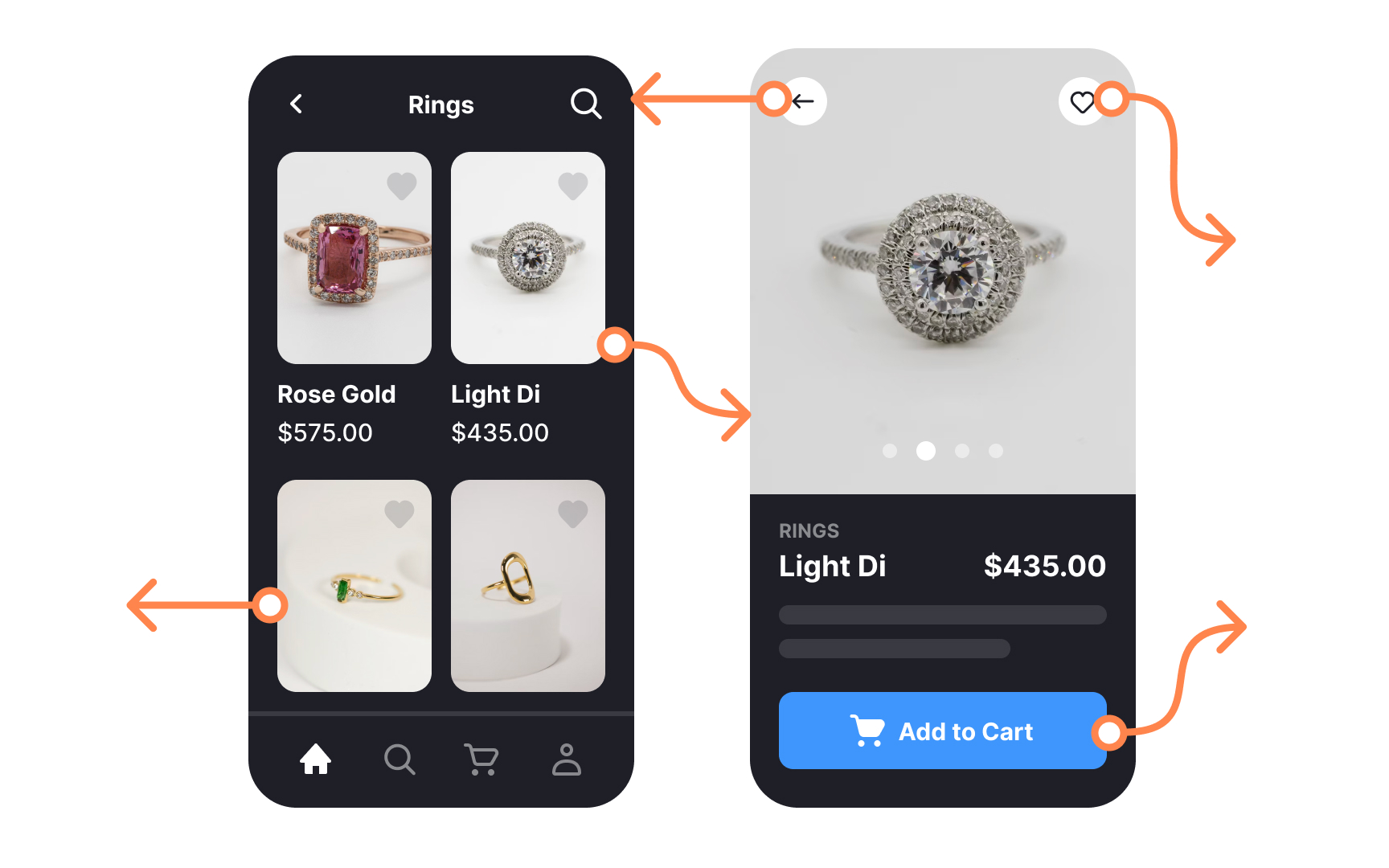
Once a concept passes research, it moves into design and prototyping. This stage translates abstract ideas into tangible forms. Designers create wireframes, user flows, and interactive models that show how the product might look and function. Prototyping allows teams to visualize ideas and share them with users before writing code or investing in full production.
Consider the example of mobile banking apps. Instead of building the full platform immediately, many teams first test simple prototypes that focus on essential actions like checking balances or transferring money. If users struggle to find these core functions in the prototype, it signals that the design must be reworked before more advanced features are added. By identifying usability problems early, teams avoid building products that are polished but confusing. Prototyping makes abstract ideas concrete and testable, saving time and resources while aligning the design with real user needs.[1]