Identify competitors
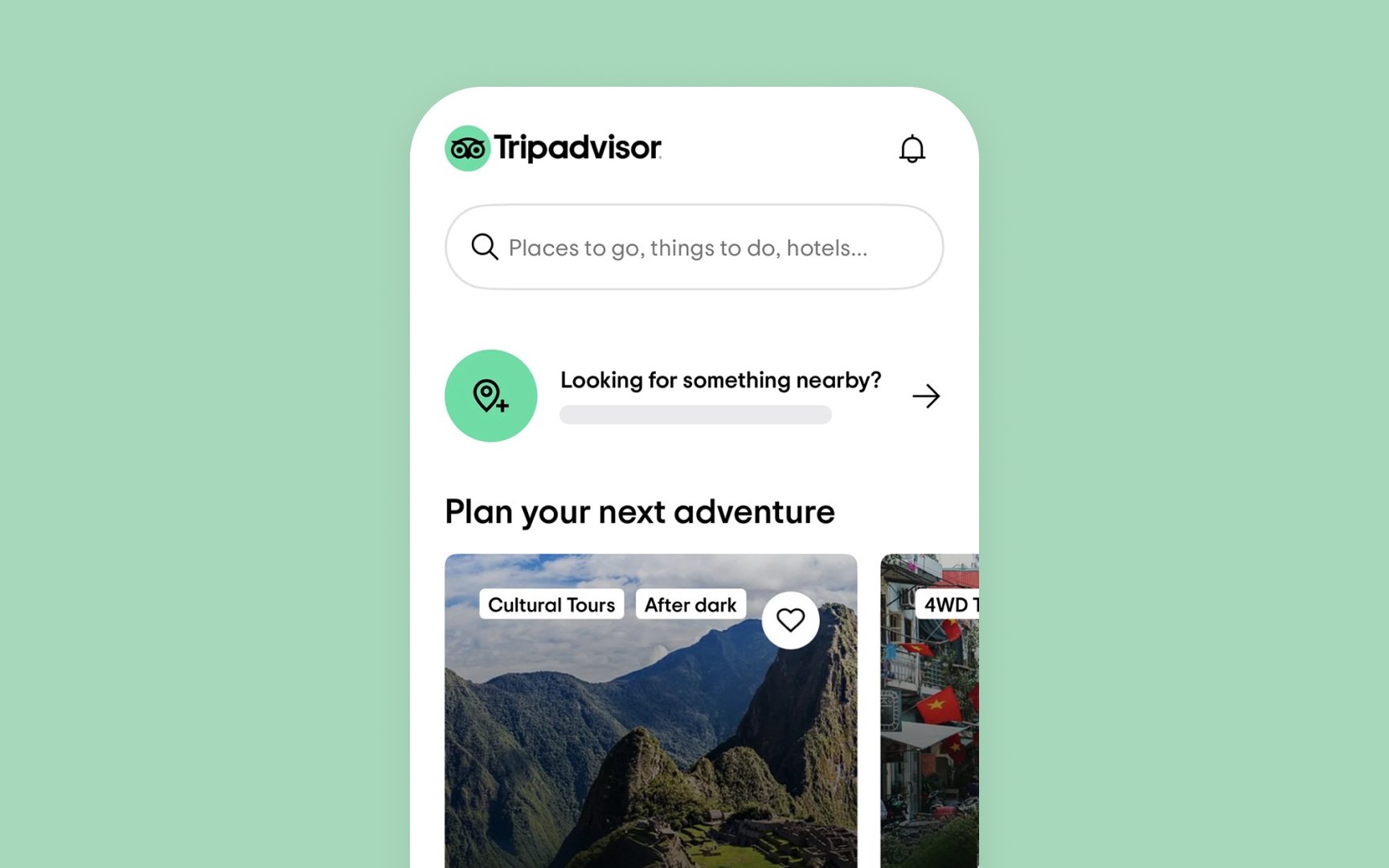
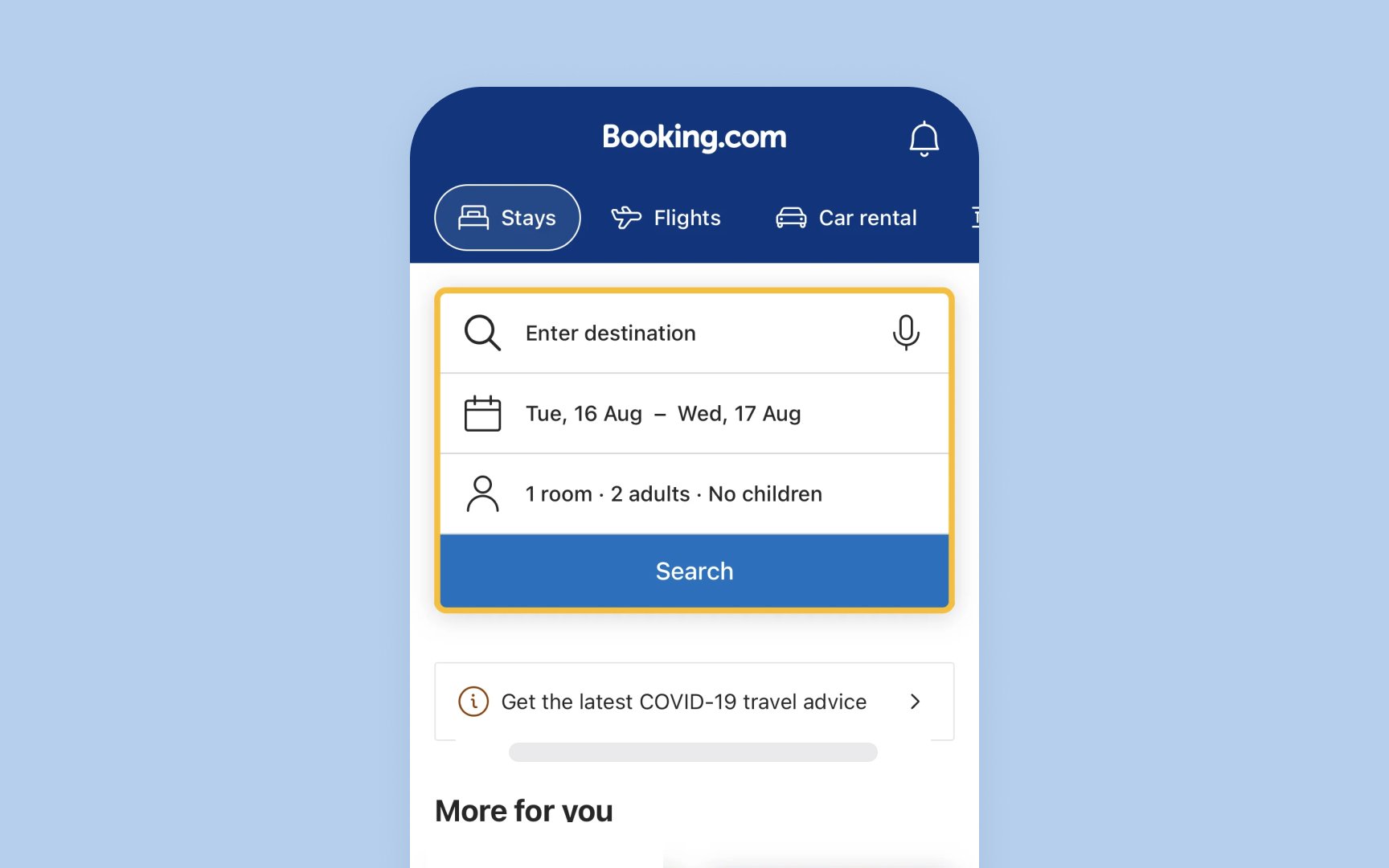
Once the industry context is clear, the next step is mapping who you are competing against. Competitor identification goes beyond making a quick list of obvious rivals. It is about understanding the types of competition you face and how each influences your strategy. Analysts often distinguish between 3 groups:
- Direct competitors, who target the same customers with similar products. Direct competitors are the easiest to spot. Nike and Adidas, for example, compete head-to-head in sports apparel, serving overlapping segments with comparable products.
- Indirect competitors, who address the same need in a different way. Indirect competitors are less obvious but just as important. Uber and public transport both solve the problem of urban mobility, though with different models and experiences.
- Aspirational competitors, whose practices you may want to learn from or surpass. Aspirational competitors include companies outside your immediate category that set benchmarks for customer experience or innovation. For a fintech startup, this could mean studying how Amazon designs seamless checkouts rather than focusing only on other payment apps.
To identify competitors effectively, combine market research with user insights. Tools like Google Trends, SEMrush, or SimilarWeb help uncover which brands users search for and how much digital attention they attract. Customer surveys and interviews often reveal alternative solutions that teams overlook internally. Mapping these perspectives ensures you capture the full competitive landscape, not just the obvious players.[1]