Identifying the illusion of certainty in planning
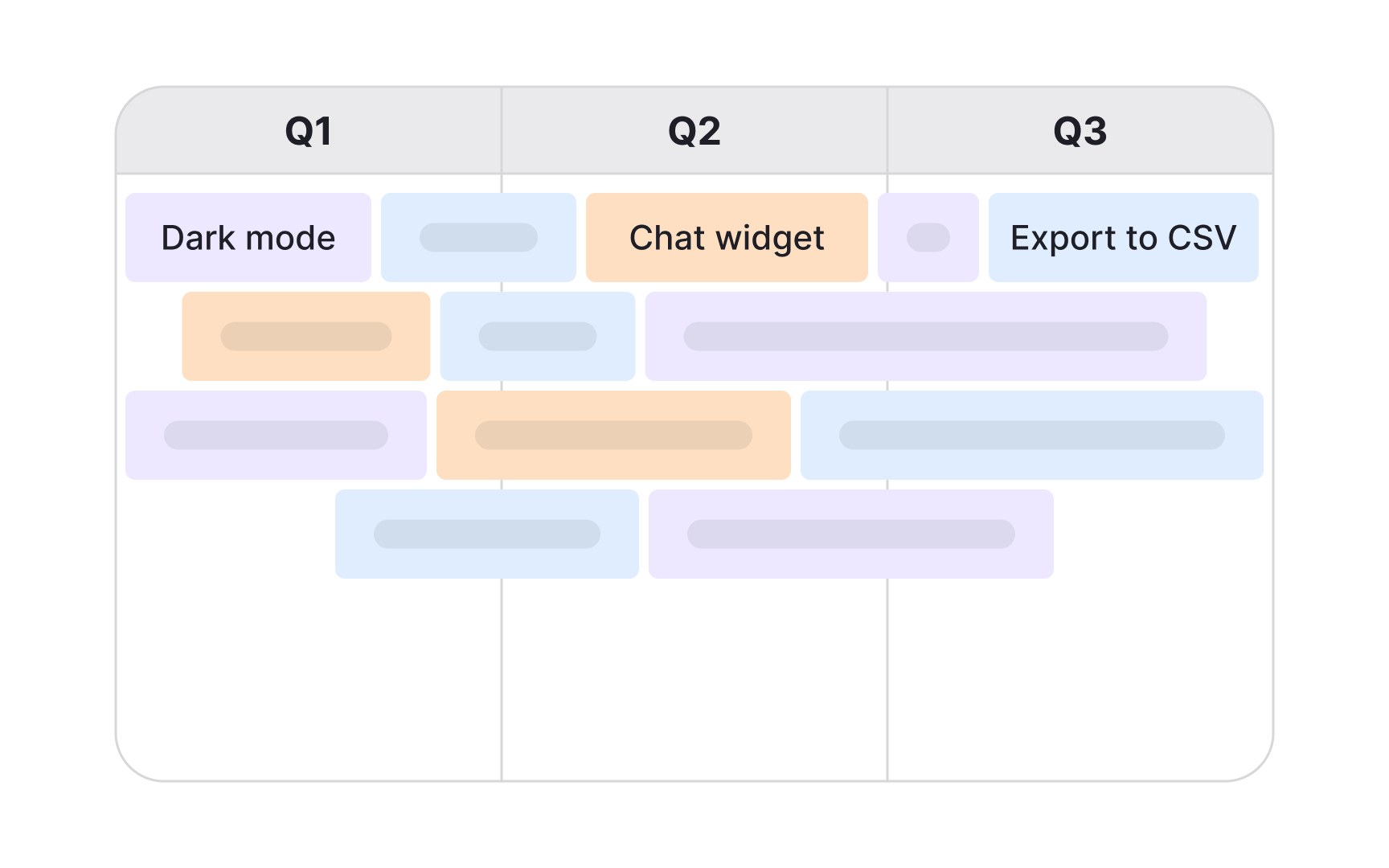
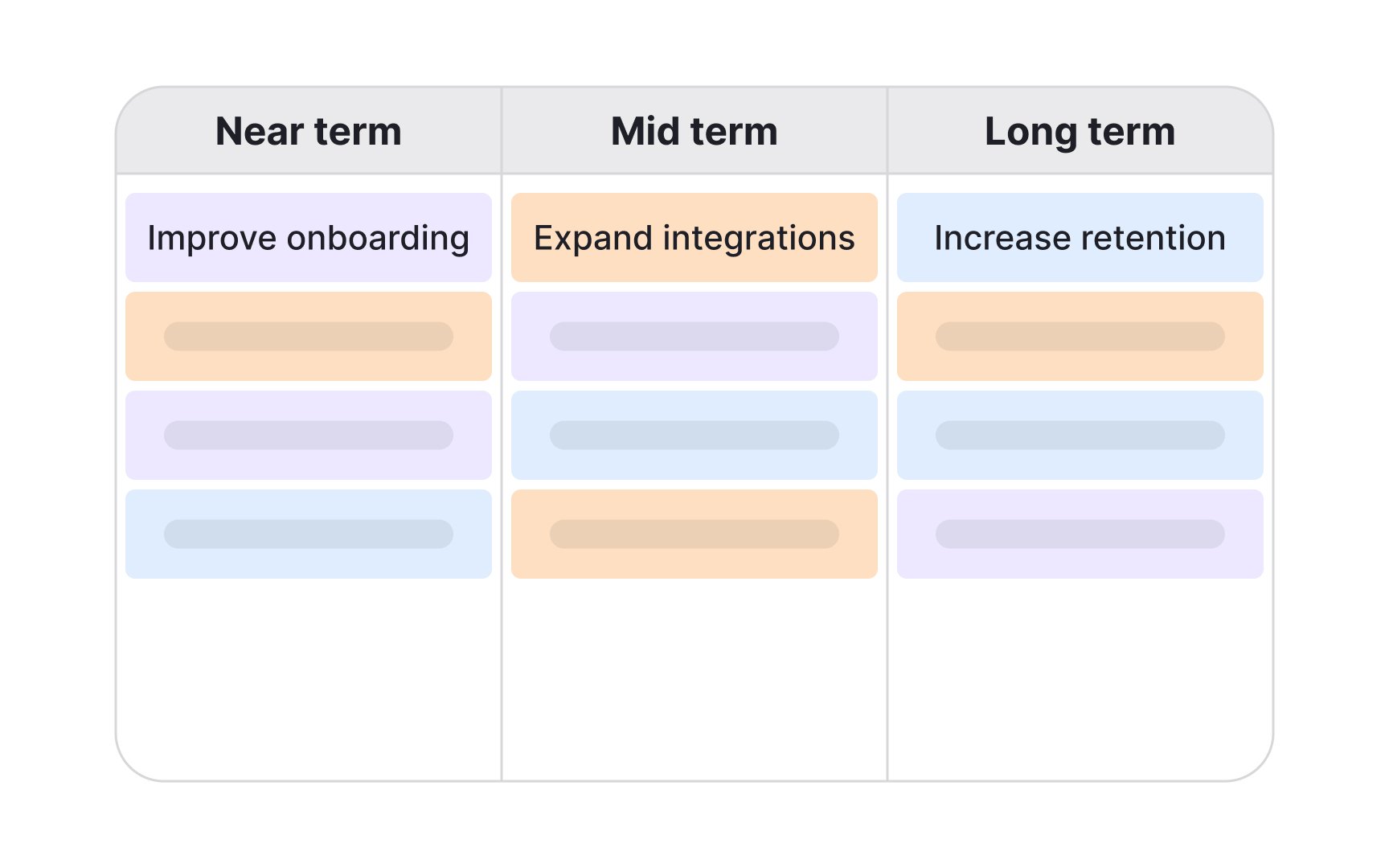
One of the biggest risks in roadmapping is presenting the plan as if the future were predictable. Teams often attach specific features to fixed dates, which creates an impression of certainty. Stakeholders may then assume these items are guaranteed, when in reality, product development is shaped by shifting markets, evolving customer needs, and technical surprises.
The problem is not the presence of detail, but how that detail is communicated. Internally, more specific information about features or milestones can be useful for coordination. The danger arises when such information is shared as firm commitments or treated as unchangeable. Once expectations are set, changing direction can damage trust.
A healthier approach is to use themes, horizons, or flexible objectives to show intent without promising exact outcomes too early. This balances the need for detail in internal planning with the need for adaptability when priorities shift. In this way, roadmaps remain credible tools for alignment without creating the false belief that the future is fully known.