Photo filters
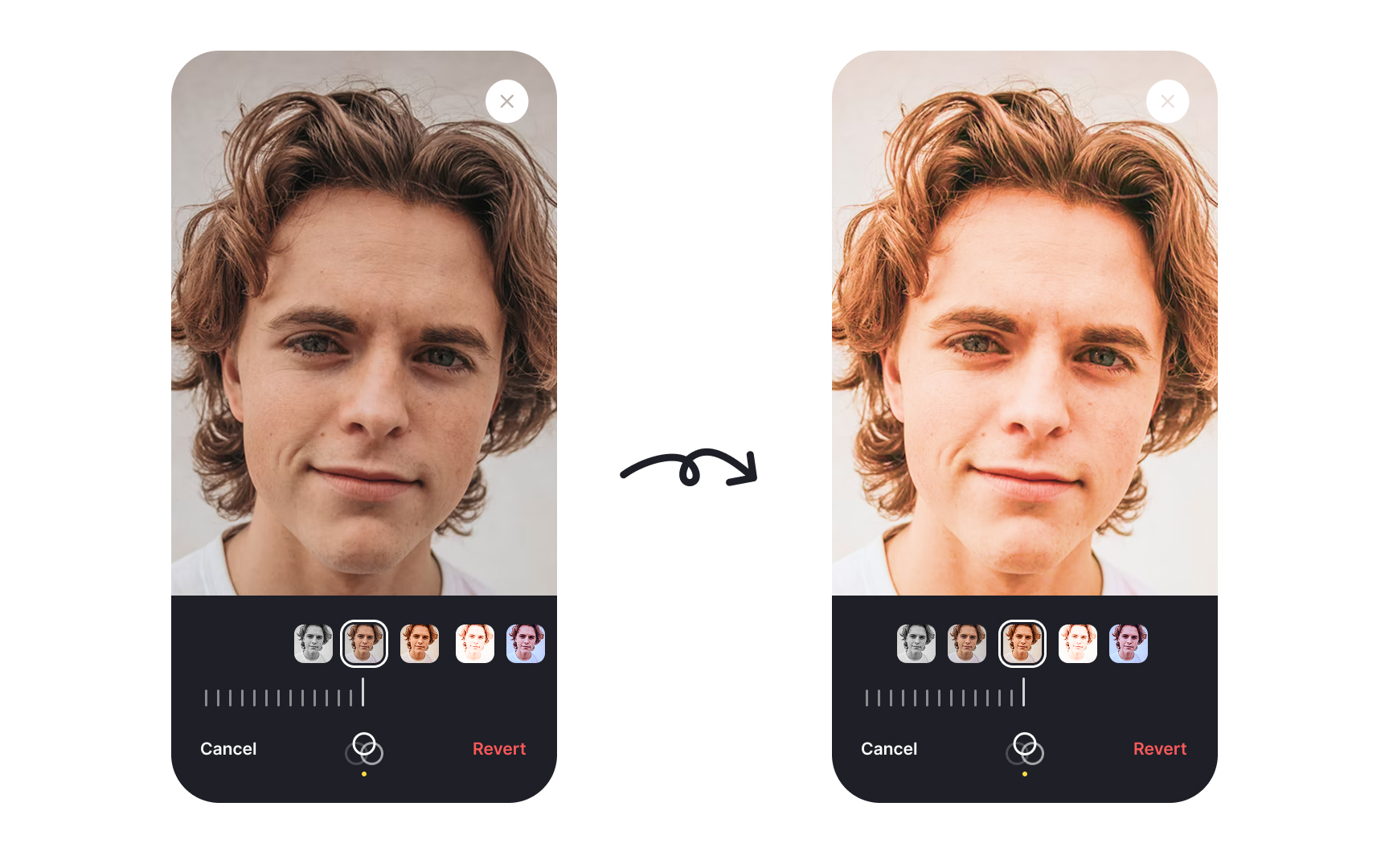
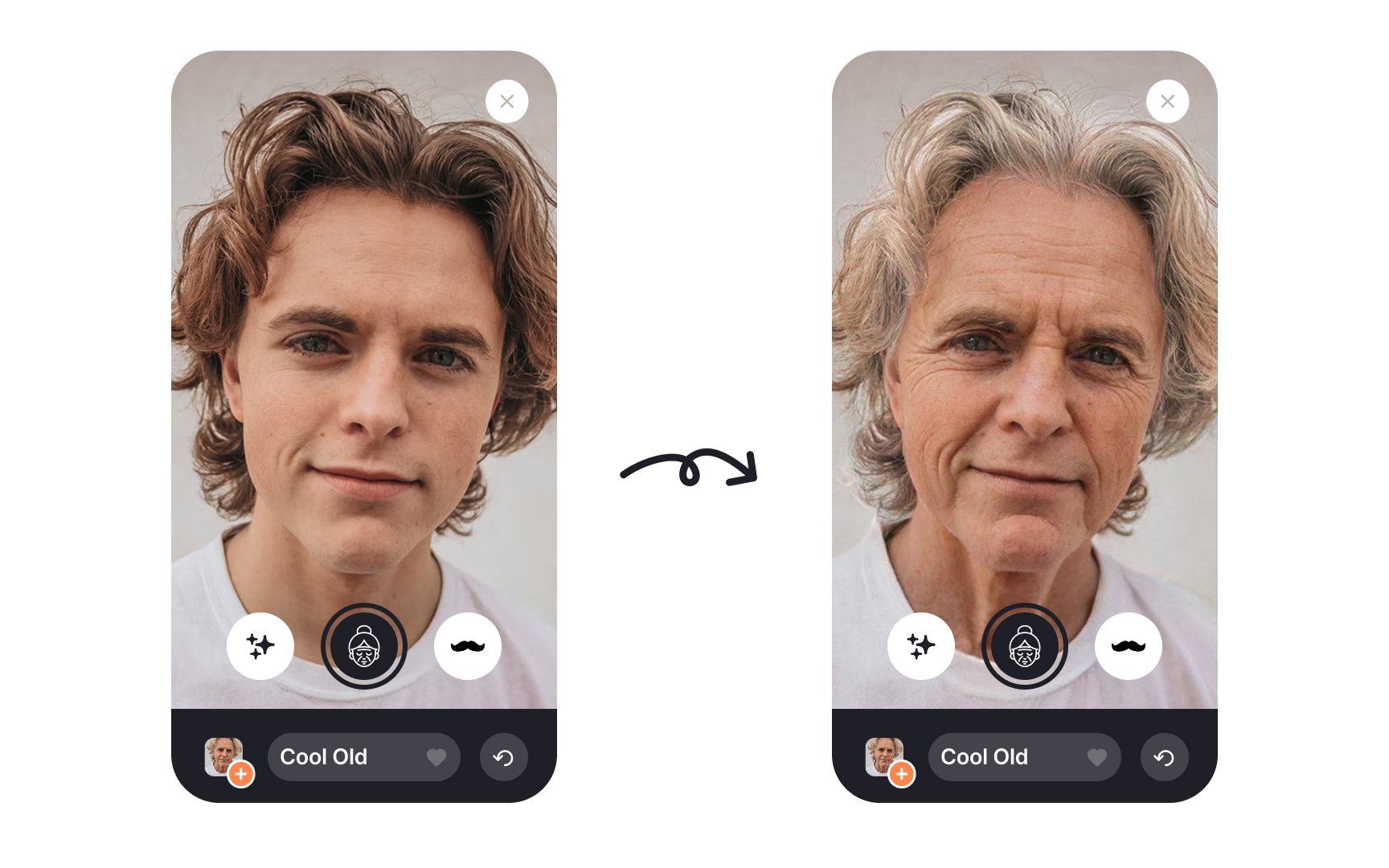
AR photo filters use facial recognition and tracking to overlay digital effects on user images in real-time. These filters can detect facial features, movements, and expressions to accurately position virtual elements like masks, makeup, or decorative effects. Common applications include social media platforms like Instagram and Snapchat and camera apps.
Face tracking technology maps key points on users' faces to maintain proper alignment of virtual elements. This allows filters to stay in position even as users move or change expressions. Advanced filters can also respond to specific gestures or facial movements, creating interactive experiences.