Historical design cases
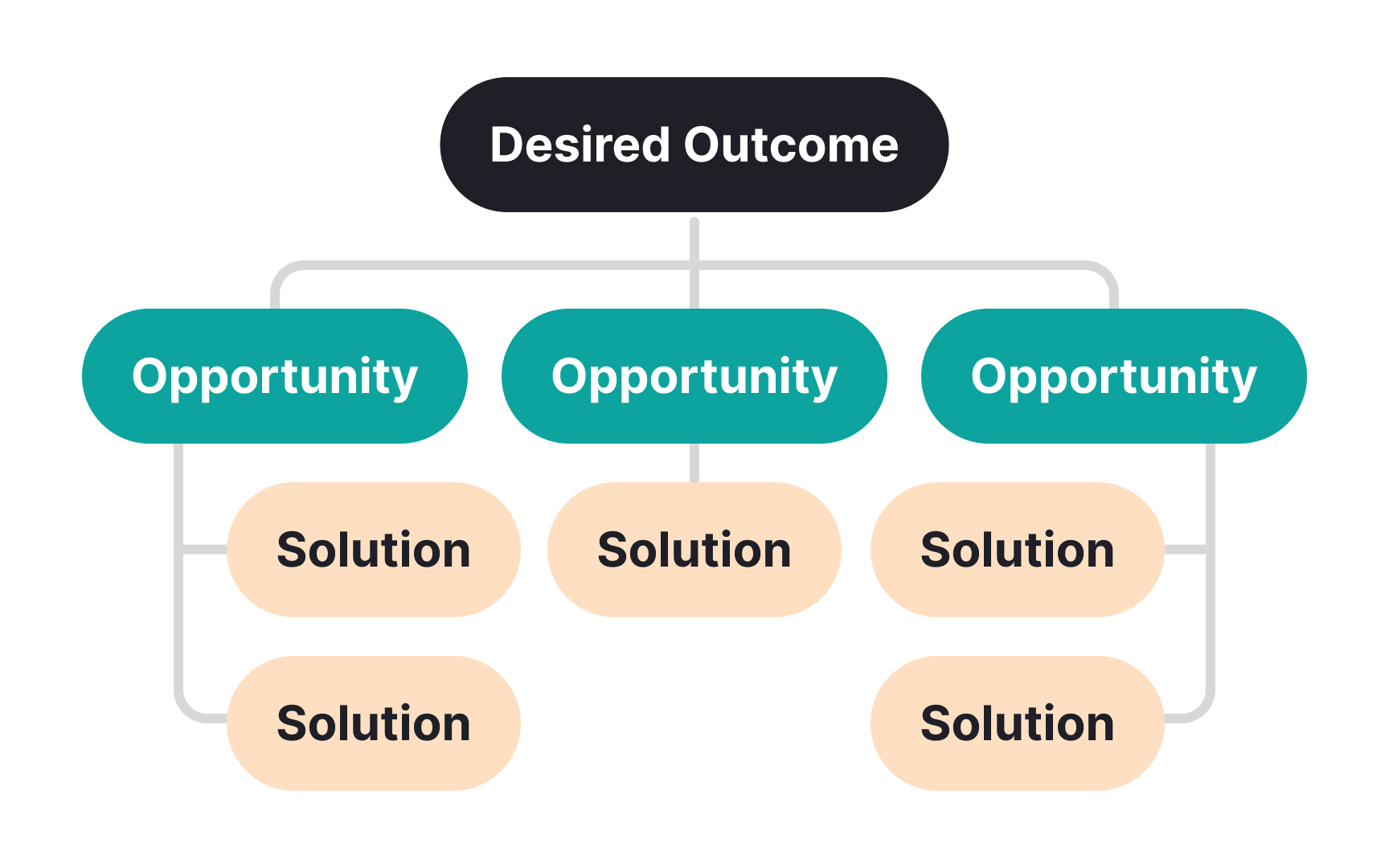
Government systems contain many opportunities for design improvements. Identifying these opportunities requires a systematic analysis of existing services, program delivery processes, and citizen pain points.
Key areas to examine include:
- Service gaps: Where current solutions don't meet citizen needs
- Process friction: Points where services become slow or confusing
- Access barriers: Issues preventing equal service access
- Digital readiness: Areas ready for digital transformation
- Process inefficiency: Areas of rework, paper processes, and scattered data sources
Mapping these opportunities helps prioritize design efforts. It reveals which improvements will have the biggest impact on public services.
This systematic approach ensures that design resources target the most critical needs. It creates a foundation for strategic improvements rather than superficial changes.[1]
Pro Tip: Create a simple matrix ranking potential improvements by impact and implementation difficulty to find quick wins.