Managing emotional awareness
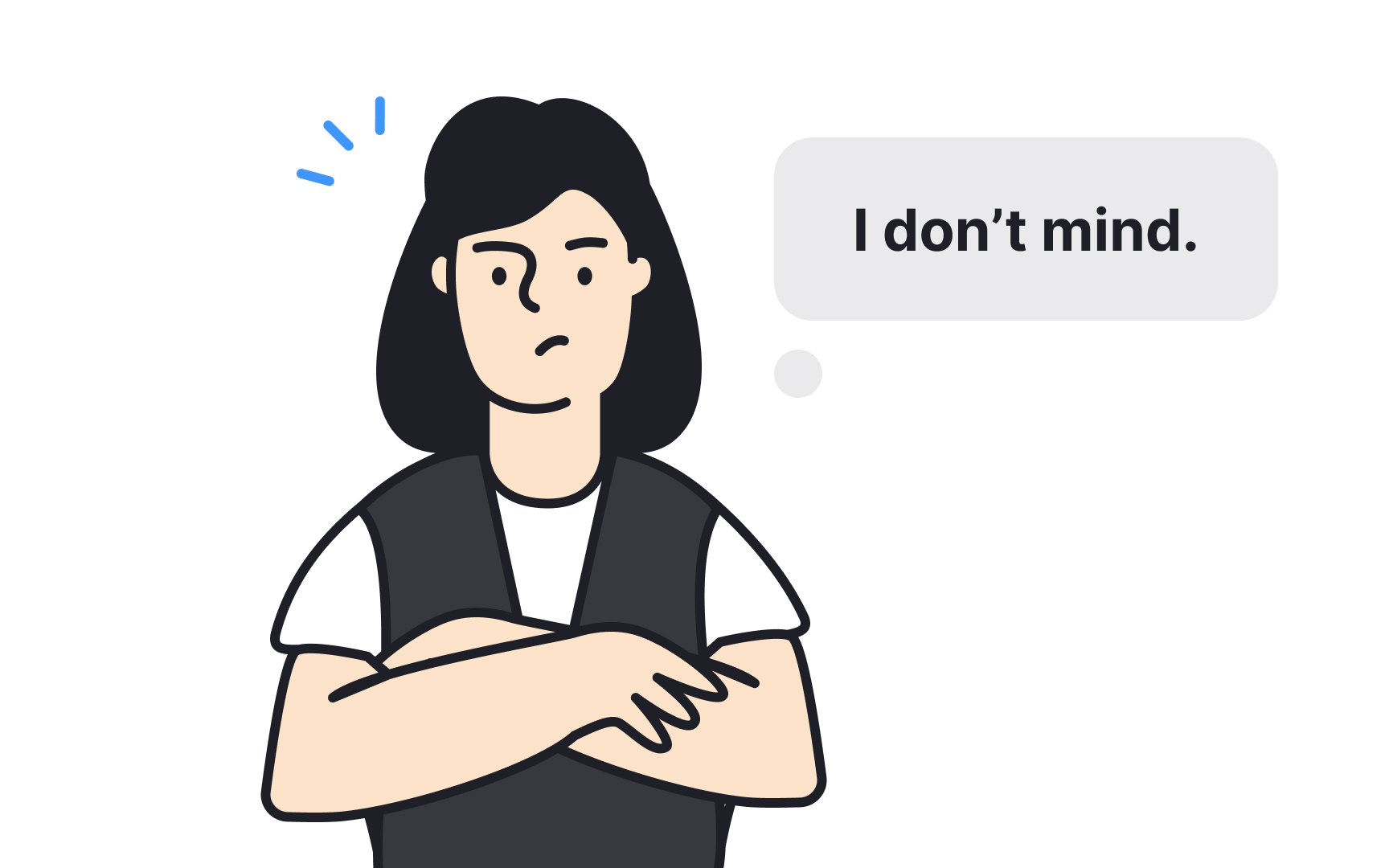
Being good at spotting emotions is like having a superpower, but using this power wisely is key. Research shows that while we can often tell when stakeholders feel frustrated or unsure, bringing up every emotion we notice isn't always helpful. The goal is to create meetings where people feel comfortable speaking up when they're ready.
Think of it like reading a room. Sometimes you might notice stakeholders’ tense shoulders or quiet sighs, but they might not be ready to talk about what's bothering them. Instead of pointing these things out, use this awareness to guide the conversation naturally and keep building trust.
Try these practical approaches:
- Stay in the moment: Focus on what people are actually saying
- Give time: Let others bring up concerns when they feel ready
- Keep balance: Don't jump to conclusions about what emotions mean
- Show Reliability: Match your words with your actions
Noticing emotions should help create better conversations, not make people feel like they're under a microscope. Use your observations to guide discussions, not control them.[1]
Pro Tip: If you sense tension in the room, suggest a 5-minute break. A short pause can help everyone reset and come back clearer-headed.