Marketplace models
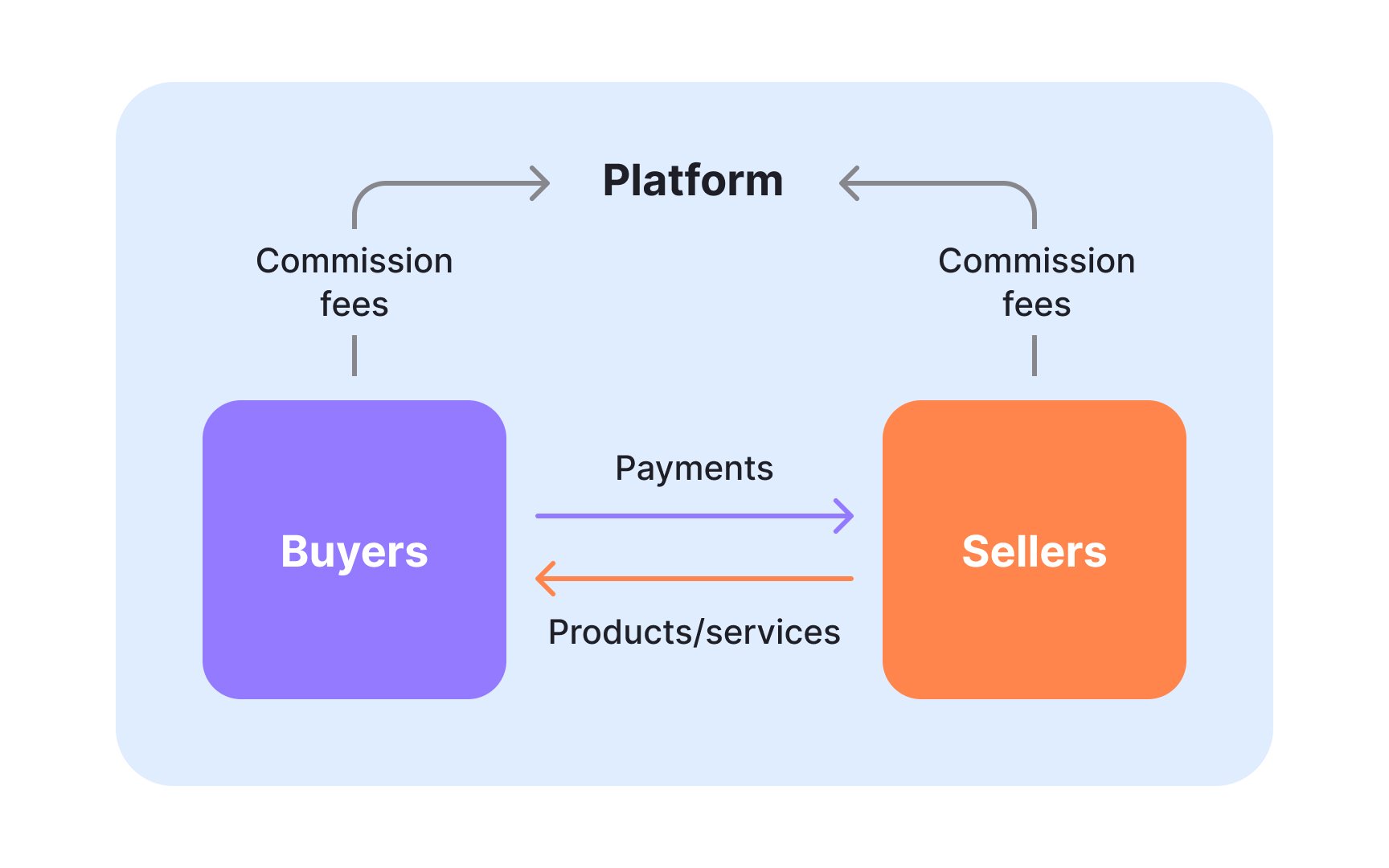
Marketplaces connect buyers and sellers, facilitating transactions while taking a commission or fee. Unlike traditional retailers, marketplaces don't own inventory but provide the infrastructure for others to conduct business. Successful examples include eBay, Airbnb, and Uber, each creating value by reducing friction in specific markets.
Marketplace models face the "chicken and egg" challenge of attracting both sides of the market simultaneously. They must balance supply and demand while ensuring quality experiences for all participants. Network effects become powerful growth drivers as more users attract more users, creating exponential value.
Monetization strategies for marketplaces include transaction fees, listing fees, premium seller services, and advertising. The key is finding the right balance that encourages participation without deterring users from the platform.