High-fidelity prototyping
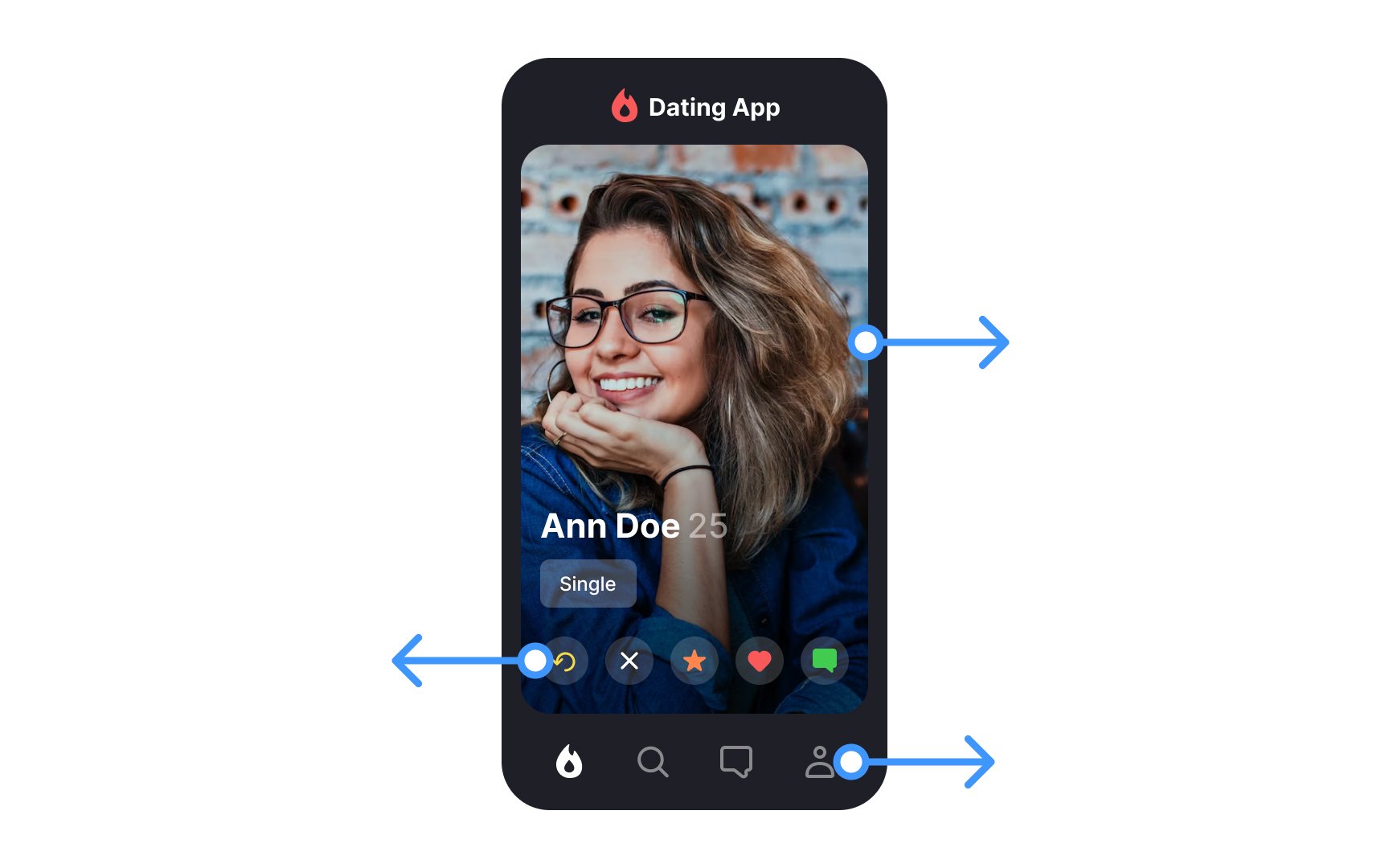
High-fidelity prototyping closely resembles the final product in both look and behavior. It includes detailed and interactive versions of the interface, often built with modern design tools and AI. Today, AI makes it possible to create realistic screens, flows, and content much faster than before.
These prototypes work best in later stages of design thinking, such as testing and implementation. They help stakeholders clearly understand the shared vision. Testing with high-fidelity prototypes also gives more trustworthy insights into how users react to the experience, which helps design teams feel more confident in their decisions.
However, there are still trade-offs. Even with AI speeding things up, high-fidelity prototypes usually take more time and effort than low-fidelity ones. Once a design looks polished, teams may hesitate to change it. There is also a risk that stakeholders see the prototype as the final product, even though it may not reflect the real quality or technical limits of the final solution.
Top contributors