Review cycles
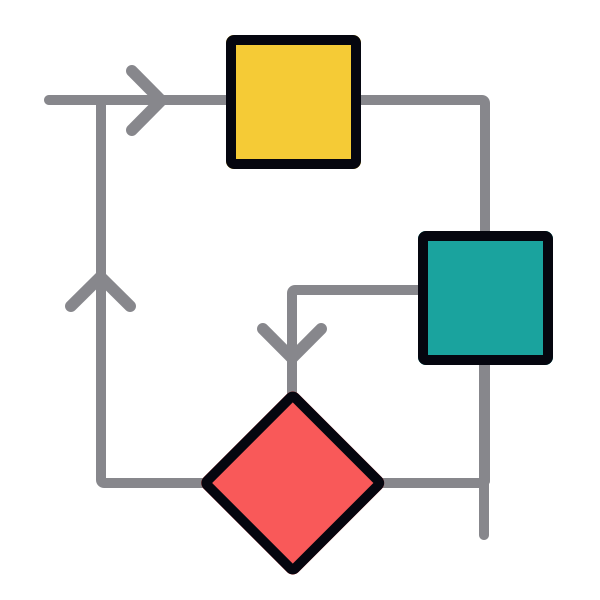
Review cycles provide structured opportunities for feedback and improvement at different stages of a project. Each phase of the review focuses on specific aspects of the work, such as technical implementation, design quality, and user experience. For example, the design team might review the visual elements, while developers focus on code quality and functionality. A well-designed review cycle prevents bottlenecks by breaking down the review process into manageable steps, ensuring that each aspect of the work gets the attention it needs.
To make review cycles effective, assign clear roles and responsibilities for each stage. For instance, one team member may be responsible for reviewing code, while another reviews the user interface. Reviewers need explicit criteria for evaluation, such as ensuring code follows best practices or checking if the design meets accessibility standards. Providing guidelines for constructive feedback helps maintain a positive and productive review process.
Time-boxing reviews, like setting a 30-minute limit for each review session, ensures the team maintains project momentum while still addressing key issues. Automated reminders in project management tools (e.g., Asana or Trello) can be set up to notify reviewers of upcoming deadlines.
Pro Tip: Conduct review cycles at the end of each sprint or at key milestones, such as design sign-offs or feature completions.