Recognizing good vs poor prompts
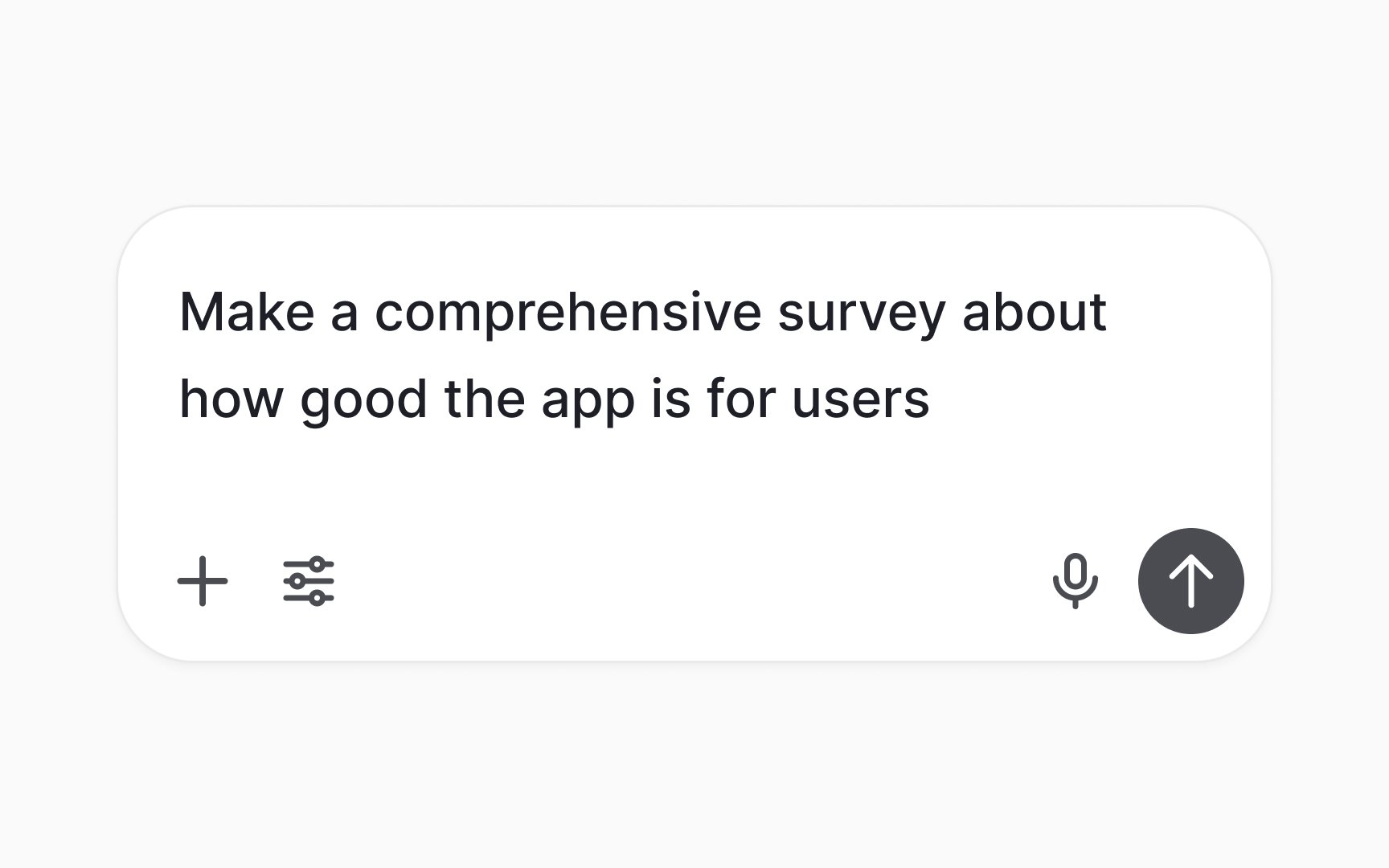
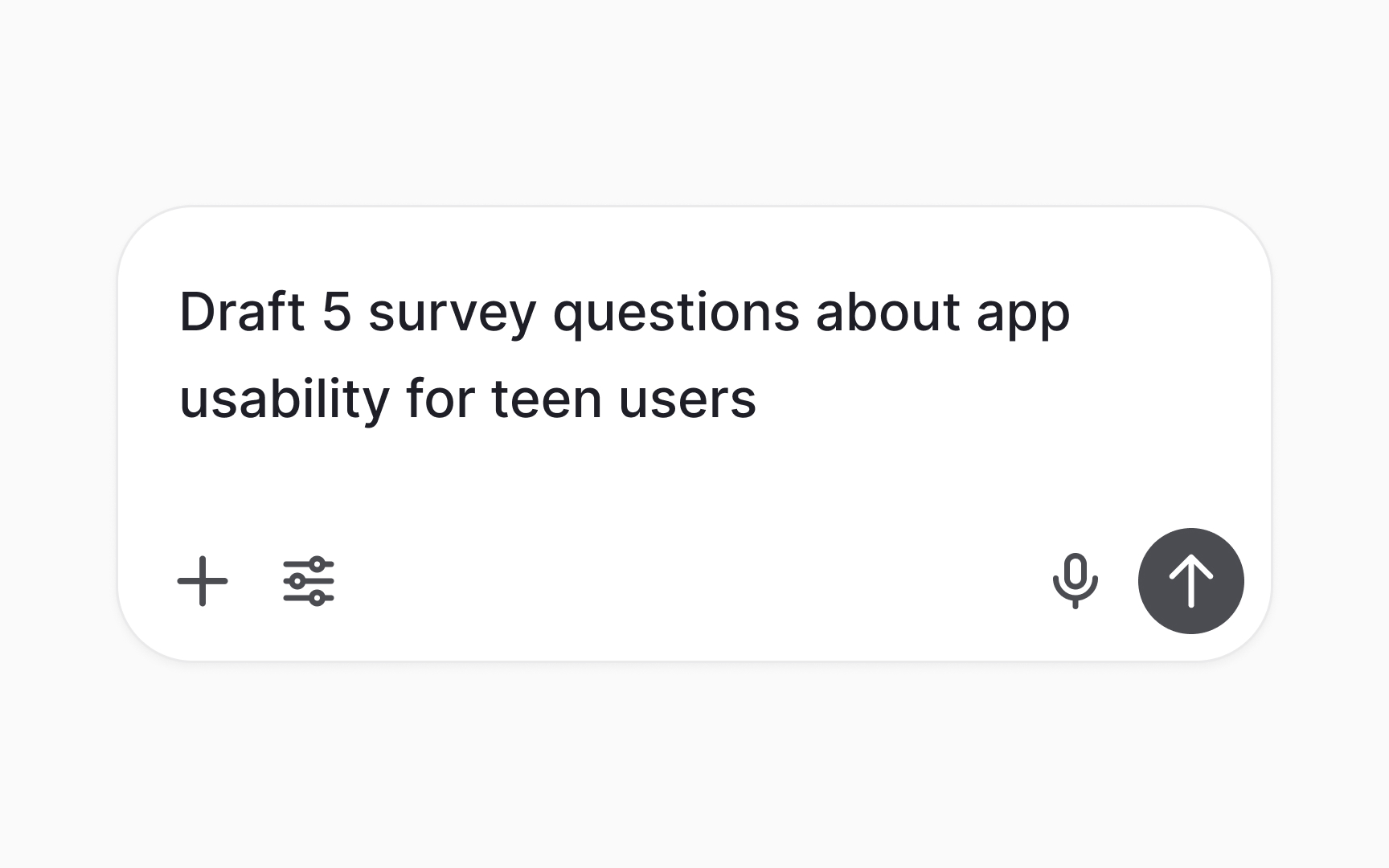
Effective prompts share common characteristics that directly influence output quality. They begin with a clear, action-oriented task statement. Good prompts specify the desired format, length, and style upfront rather than hoping AI infers these details. They provide just enough context to establish the scenario without overwhelming the model with irrelevant information.
Poor prompts often fail through vagueness or contradictory requirements. Asking AI to "write something professional but casual, detailed but brief" creates an impossible task. Similarly, prompts lacking context force AI to make assumptions that may not align with your needs. "Fix this email" provides no guidance about what needs fixing or how formal the tone should be.
Compare these approaches:
- Poor: "Help me with user research."
- Better: "Create a 10-question interview guide for understanding how remote workers organize their digital files, focusing on pain points and current tools used."
The improved version specifies format, topic, audience, and focus areas, enabling AI to generate immediately actionable output.
Pro Tip: If your prompt contains "something," "stuff," or "things," it needs more specificity.