Evaluating privacy risks in prompt design
Every prompt could expose private data. Smart prompting gets good AI results while protecting sensitive information. The challenge comes from providing context. AI needs details to help effectively, but those details often include private information. You must balance specificity with privacy.
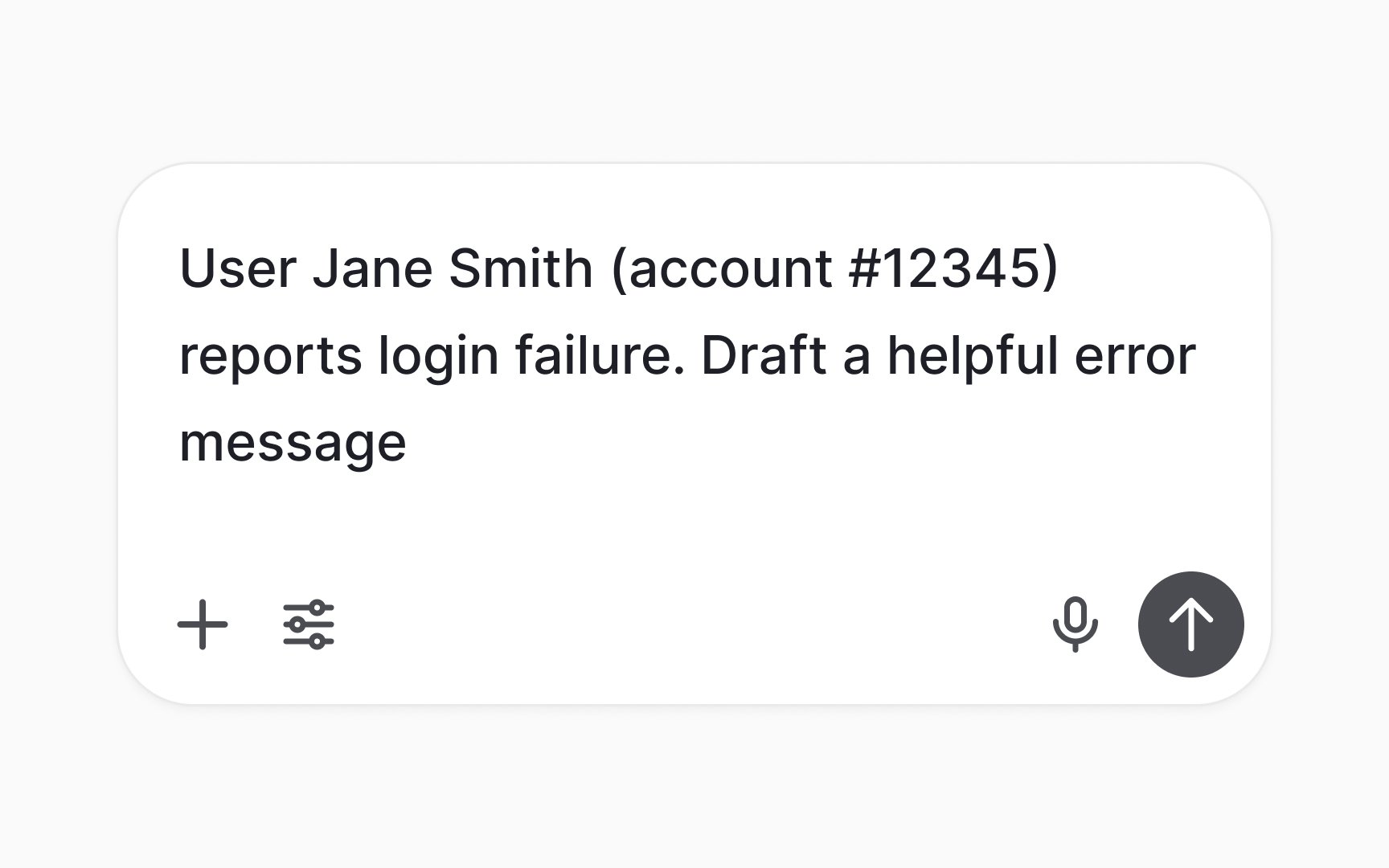
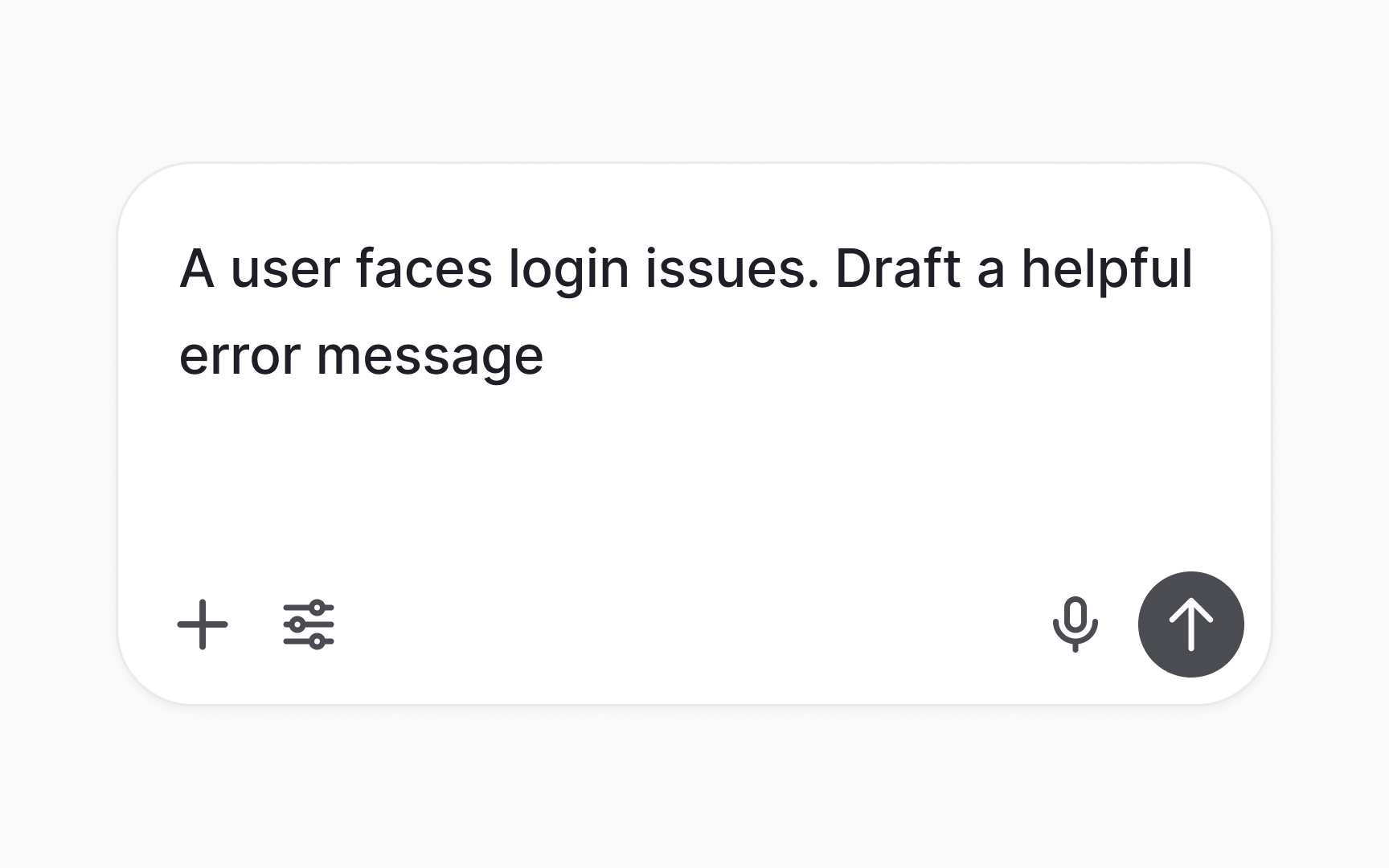
Never include real customer data. Replace "Jane Smith, account #12345, can't log in" with "User has login problems." The AI still helps without seeing private details. This protects customers and follows privacy laws.
Company secrets need protection too. Don't share unreleased product names, proprietary code, or strategic plans. When you need help with confidential work, make it generic. "How do I improve authentication?" beats sharing your actual security system.
Different AI tools handle data differently. Consumer tools might use your prompts for training. Enterprise tools usually promise data isolation. Pick the right tool for each task. Read privacy policies carefully. Create safe prompt templates with blanks for sensitive parts. Train your team to spot risky information before sending prompts. Good habits prevent accidents.
Pro Tip: Before sending any prompt, ask: would I post this publicly?