Estimating with story points
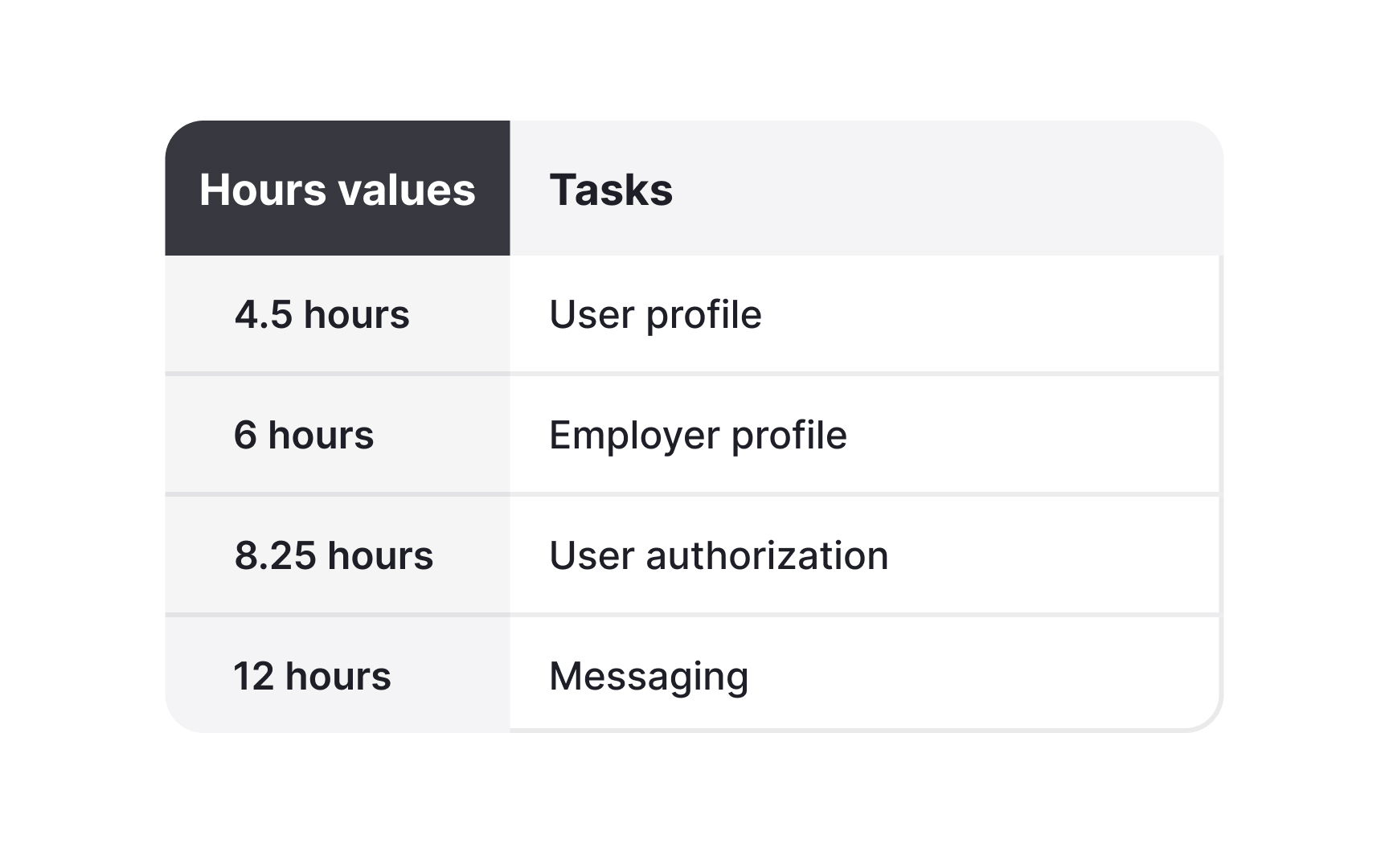
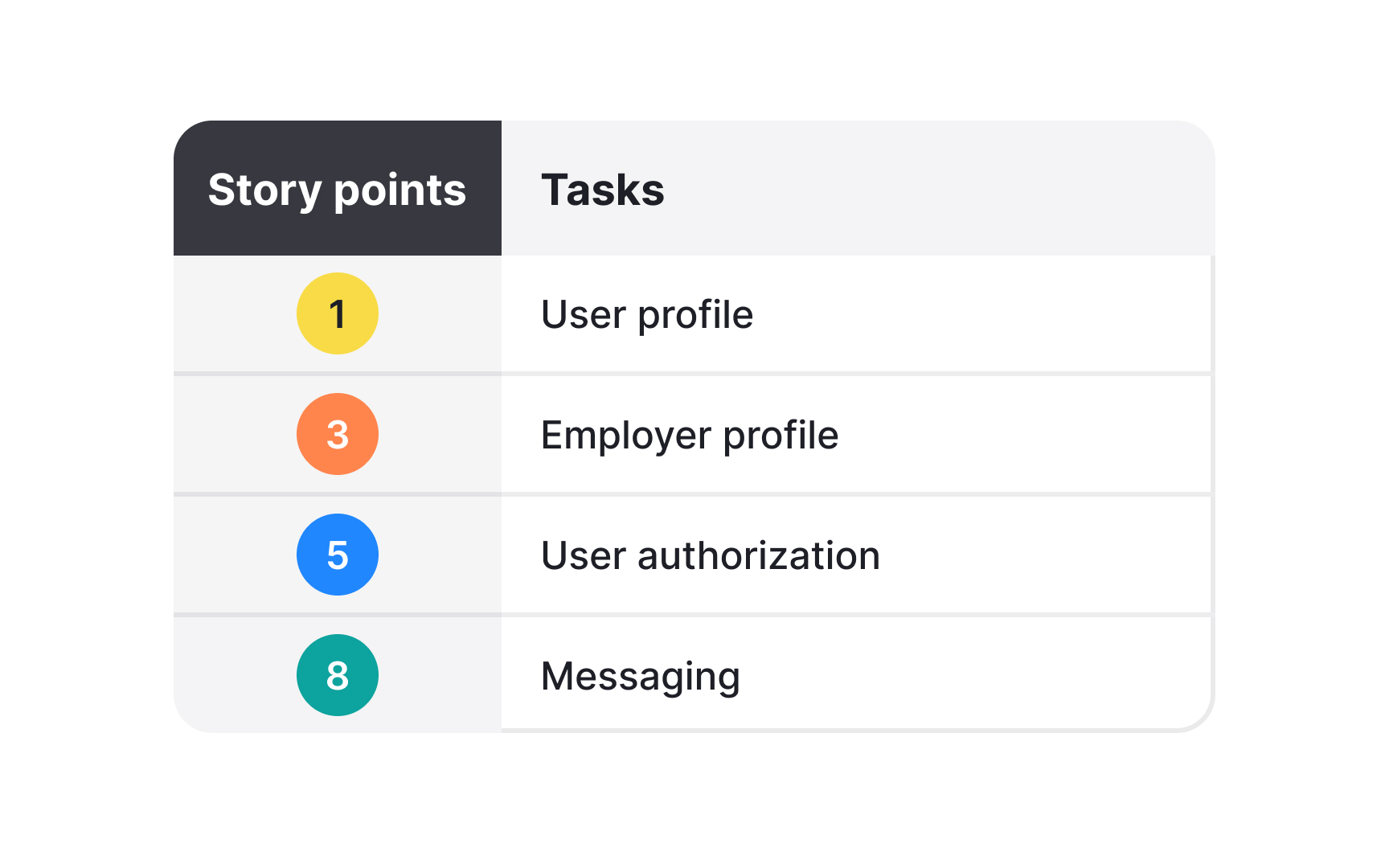
Story points create a common language for sizing work that works across different experience levels and working styles. Most Agile teams use a special number sequence (1, 2, 3, 5, 8, 13, 21) for story points. The growing gaps between numbers show how uncertainty increases with larger work items. Planning Poker helps structure the estimation process. Each team member gets cards with point values and privately picks a card for their estimate. Everyone reveals their cards at the same time to prevent early opinions from influencing others. When estimates are very different, team members explain their thinking, which often reveals important details or hidden complexities. The goal isn't to make everyone agree on every estimate. It's about creating a consistent scale for the team's work.
Over time, teams build a shared understanding of what a "5-point story" means for them, making future estimation faster and more accurate. Disagreements during estimation are actually valuable. When one developer estimates 13 points while others estimate 3, the discussion that follows often reveals important information that might otherwise stay hidden until coding begins.
Pro Tip: When team members pick very different estimates, take time to talk about why. These discussions often reveal hidden risks or missing requirements.