Tesler’s Law
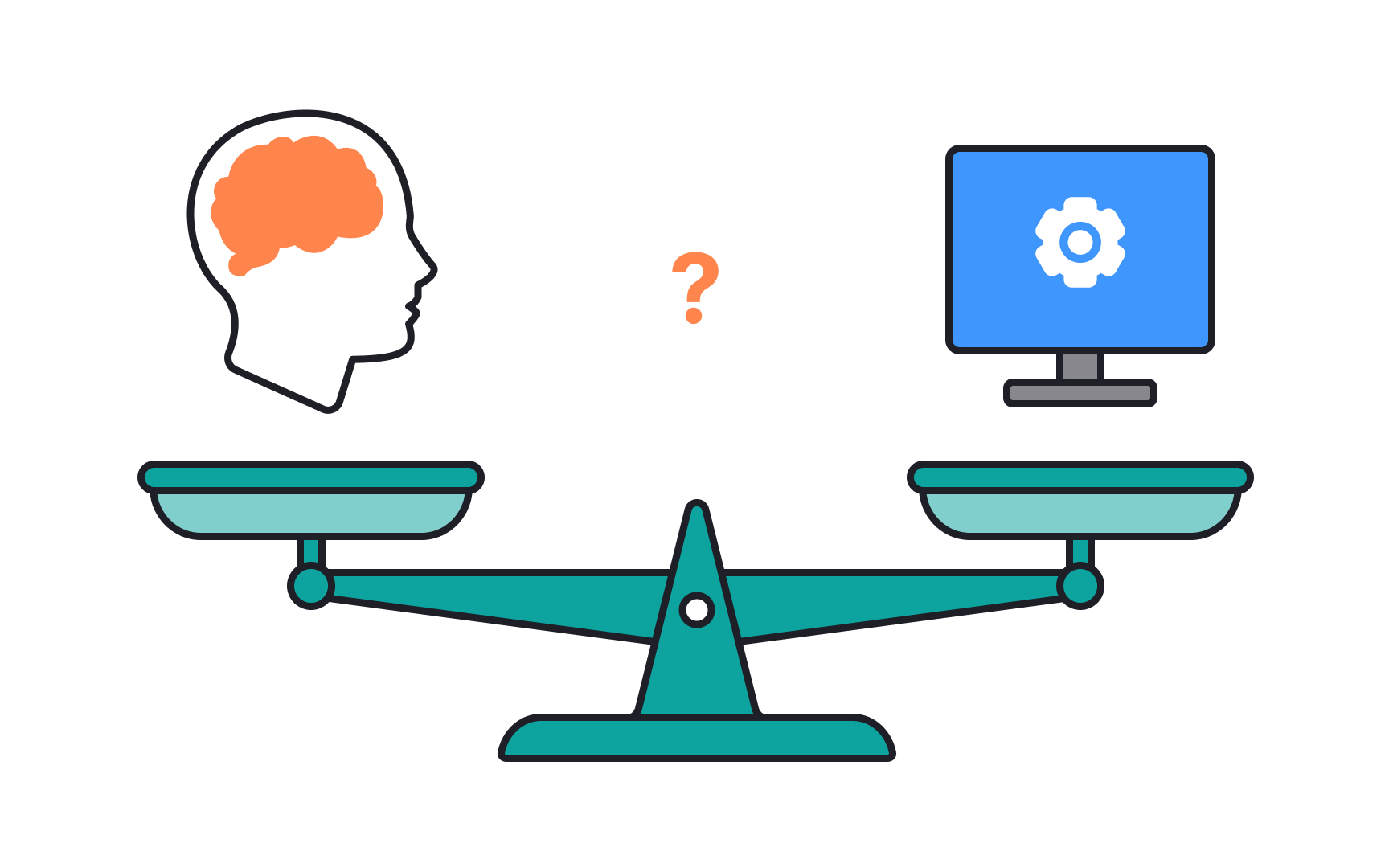
Tesler's Law, or the law of conservation of complexity, indicates that every system has some inherent complexity that can't be completely removed. Here are some recommendations on applying Tesler's Law to optimize interfaces without overwhelming users:
- Balance complexity: Distribute complexity thoughtfully between the system and users. Over-simplifying the user experience by shifting too much complexity onto the development side can make the system unsustainable. Assess whether the benefits to users justify the increased developmental complexity.
- Analyze necessity: Before simplifying features, thoroughly evaluate whether they are essential. Removing crucial functionalities to simplify can inadvertently increase operational complexity for users.
- Operational simplicity: Prioritize making tasks easy to complete. This operational simplicity is often more important than perceived simplicity, which concerns how simple a product looks rather than how it operates.
- Avoid oversimplification: Acknowledge the need for some complexity to retain full functionality. For example, security steps in banking apps add complexity but are necessary to ensure safety and user trust.