Aesthetic-usability effect
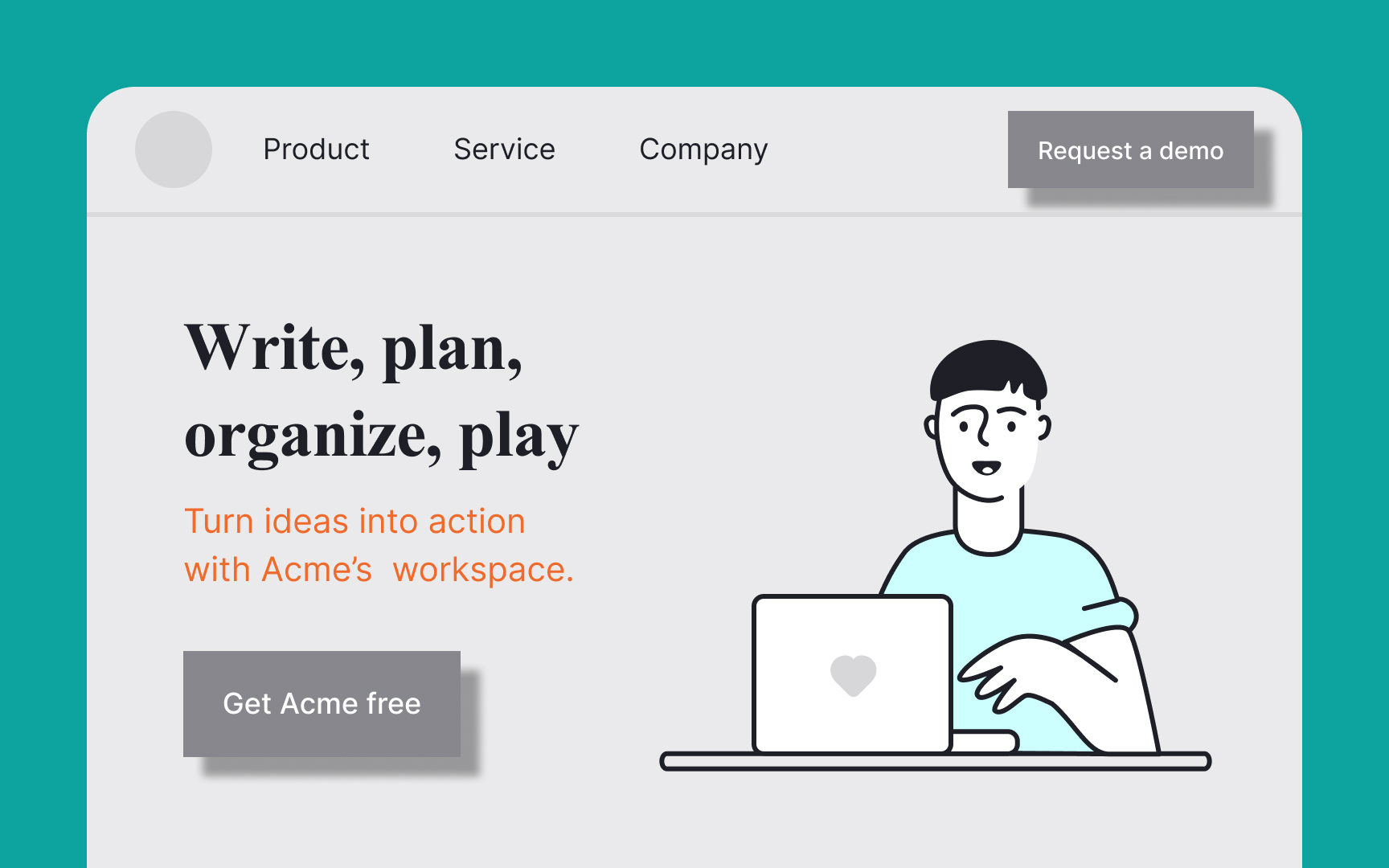

The aesthetic-usability effect highlights how good design can make users more forgiving of small usability issues. Essentially, when users like the look of a product, they tend to overlook minor problems, enjoying the overall experience more. This shows that a product’s success isn’t just about how it works — its appearance is equally important.
Both design and functionality need to be balanced. If a product looks good but is hard to use, users will eventually get frustrated. During usability tests, the initial appeal of a well-designed product can sometimes overshadow more significant usability issues. This visual appeal might cause users to overlook deeper problems, complicating the testing process.
To counteract this, test facilitators should:
- Maintain neutrality and encourage genuine feedback by controlling their emotional reactions
- Disclose to the participants whether they (the facilitators) designed the interface or not to promote more open and honest responses
- Prompt participants to look beyond just the aesthetics[1]
References
- The Aesthetic-Usability Effect | Nielsen Norman Group