Learn to say “no”
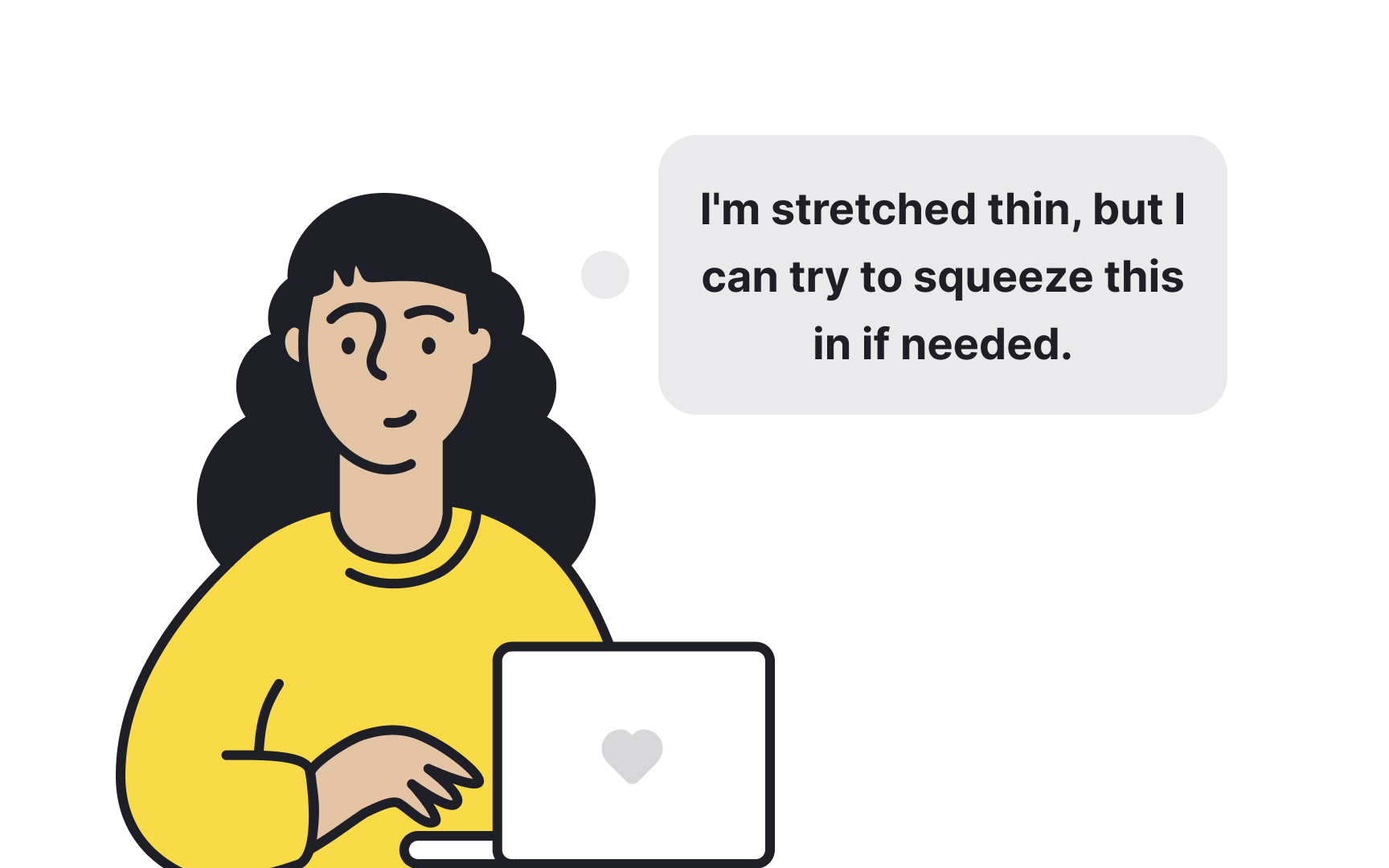
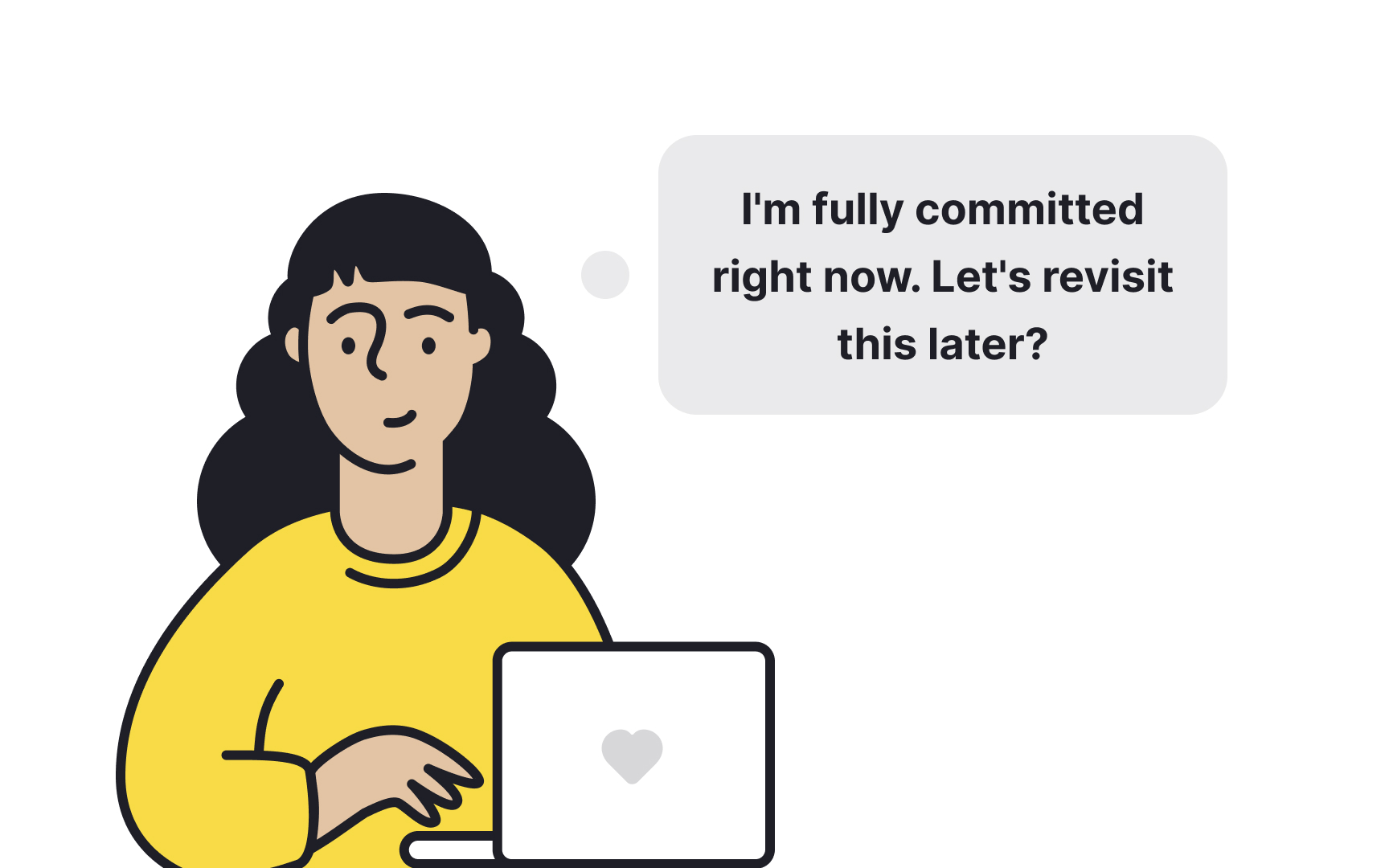
Learning to say "no" is a crucial skill, not just for managing projects but also for maintaining your personal boundaries and well-being. It applies to requests from team members, superiors, and clients alike.
Here’s when saying no is important:
- To protect your time: If a request clashes with your priorities or personal time, it’s okay to decline.
- For your well-being: When you’re at capacity and taking on more would mean sacrificing your health or work quality.
- To stay true to your values: If a request doesn’t align with your ethical standards or long-term goals.
Saying no politely involves clear communication and respect in a way that shows you’ve considered the request seriously but are mindful of your limits. Remember, saying no isn’t a sign of refusal to help — it’s about ensuring you can help effectively when it counts.