Quantitative vs qualitative data analysis
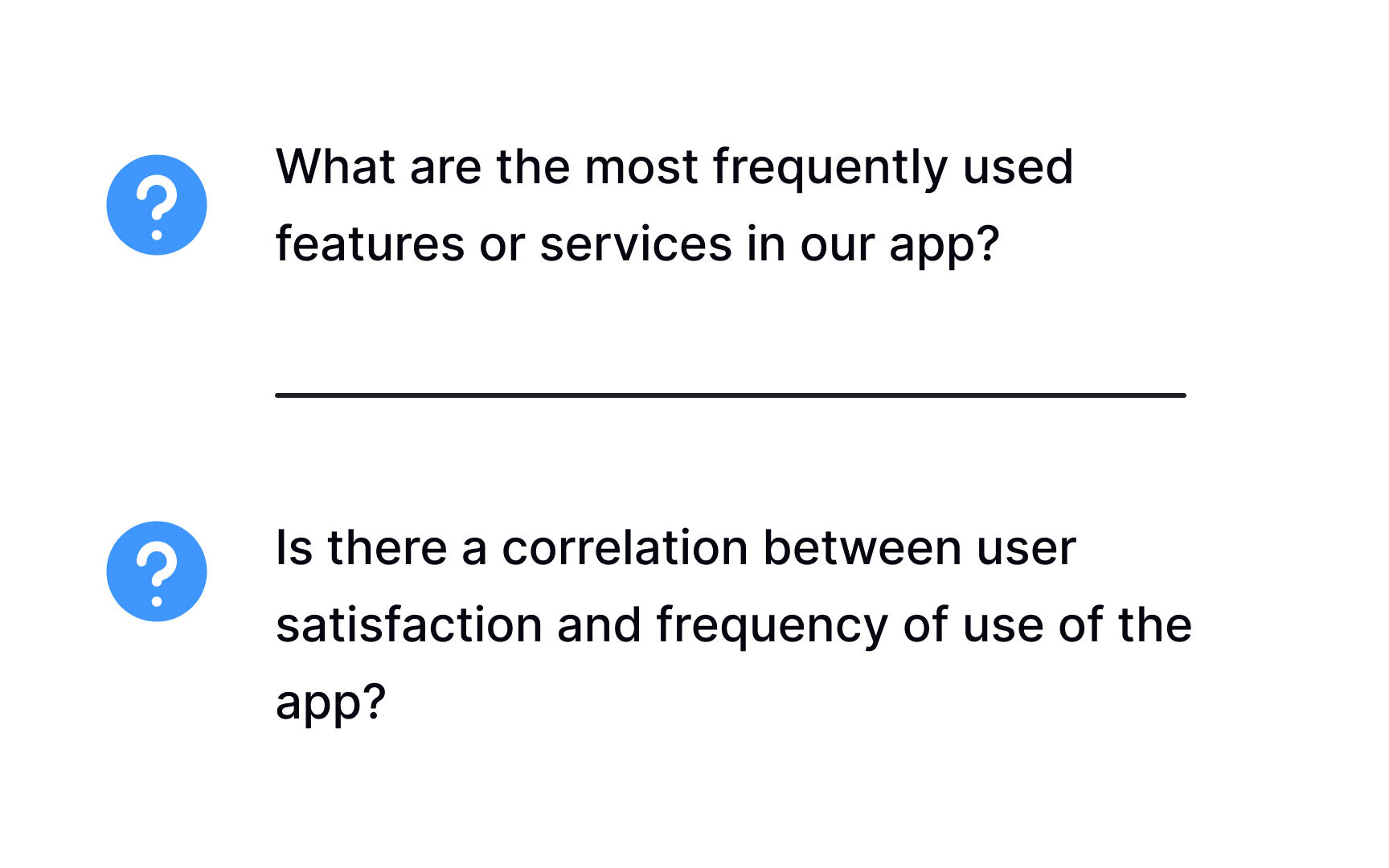
Quantitative data analysis uses numerical data and statistics to draw conclusions from a large sample size. In service design, it is often used to measure customer satisfaction or evaluate the effectiveness of a new service design.
Examples of quantitative data analysis techniques include:
- Descriptive statistics (e.g., mean, median, mode, standard deviation)
- Correlation analysis
- Regression analysis
- Hypothesis testing
For instance, a service designer may collect survey data from a large sample of customers to determine their level of satisfaction with a particular service. The survey data can then be analyzed using quantitative methods to identify patterns and correlations in the data, which can help the designer to make data-driven decisions about how to improve the service.
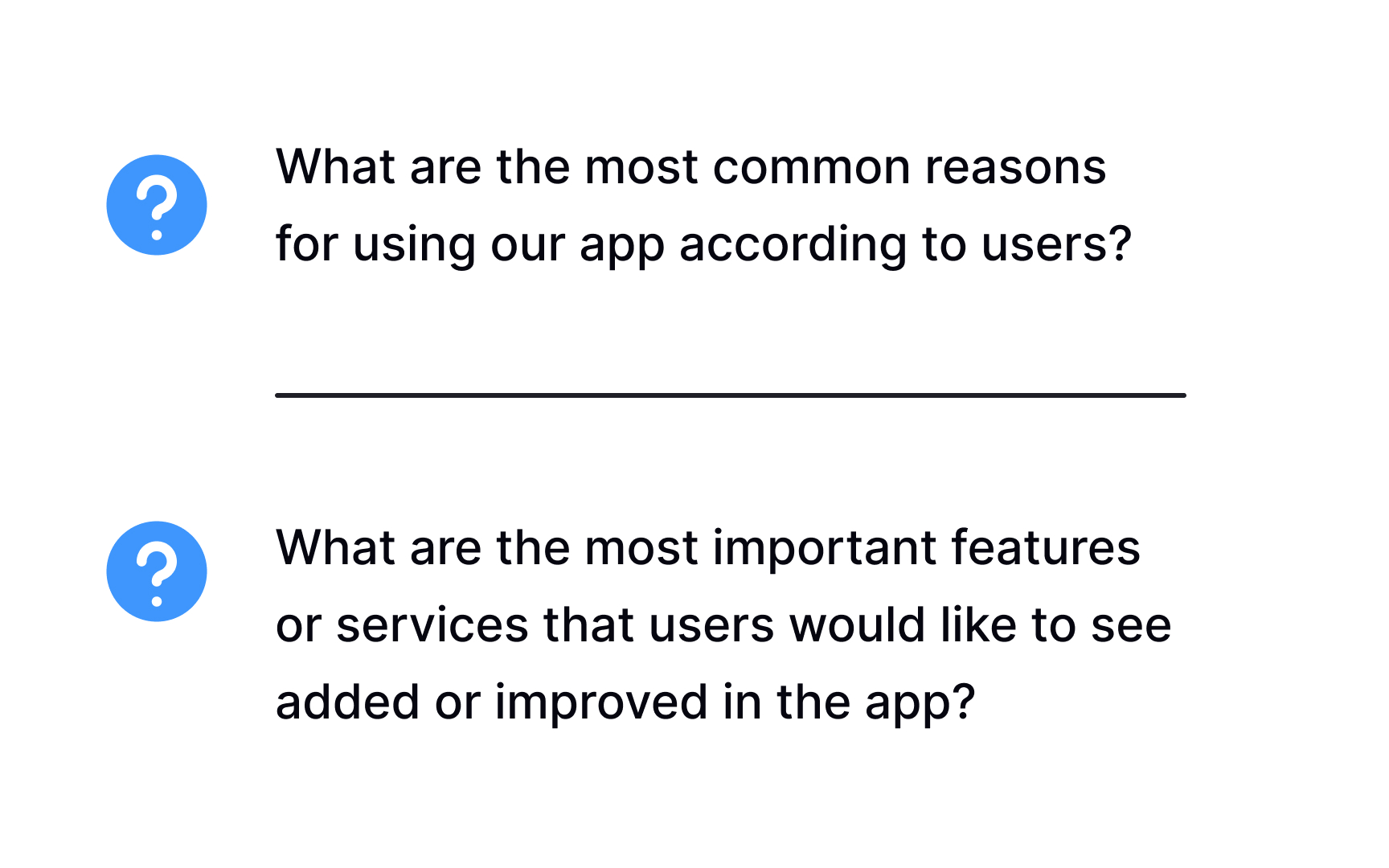
Qualitative data analysis, on the other hand, interprets non-numerical data such as interviews, observations, and open-ended survey responses. In service design, qualitative data analysis is often used to gain insights into customer experiences and behaviors.
Examples of qualitative data analysis techniques include:
- Content analysis
- Thematic analysis
- Discourse analysis
For instance, a service designer may conduct in-depth interviews with a small group of customers to understand their needs and expectations for a new service. The interview can then be analyzed using qualitative methods to identify themes and patterns in the data, which can help the designer develop a service that better meets the needs of the customers.