Defining goals and frustrations
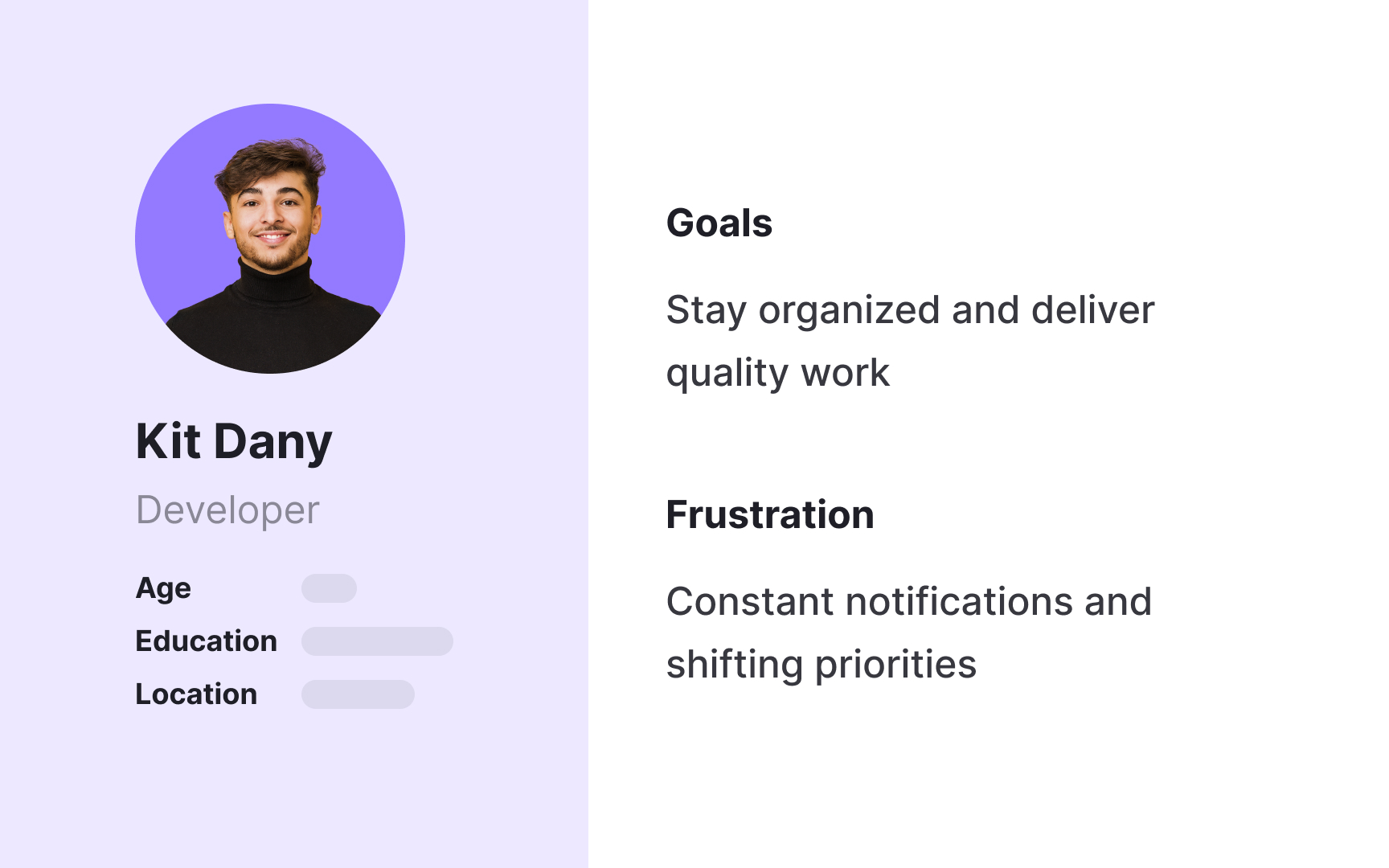
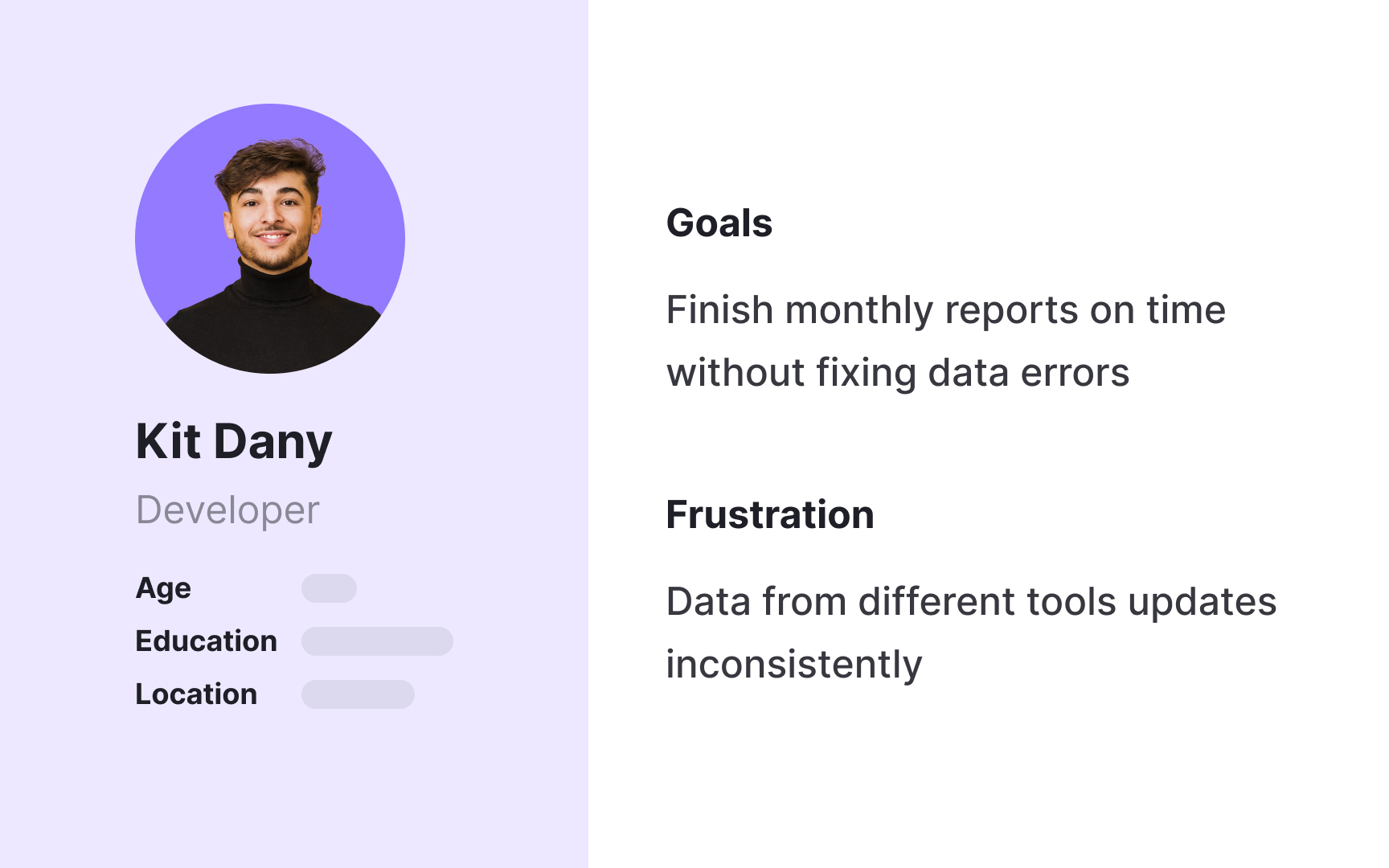
Understanding what drives or blocks users helps turn data into meaningful insights for personas. Goals describe what users aim to achieve when interacting with a product, such as completing a task faster, staying informed, or avoiding errors. Frustrations reveal the obstacles that make these goals hard to reach. They can stem from confusing interfaces, slow systems, unclear instructions, or emotional triggers like feeling rushed or unsupported. Together, goals and frustrations define the emotional and functional context of user behavior.
Recognizing both aspects helps teams see users as complete people, not just problem-solvers. For example, two users may share the same job title but differ in motivations or comfort with technology, leading to distinct frustrations and expectations. Effective personas connect these motivations and pain points to measurable outcomes. They clarify what success looks like for users and what stands in the way of achieving it. Mapping these patterns ensures that personas represent not just who users are, but why they act as they do, guiding product specifications toward real, validated problems worth solving.[1]
Pro Tip: Always define what success means for users. Their goals and frustrations are the most direct path to valuable product insights.