Defining MVP scope through exclusion in a case study
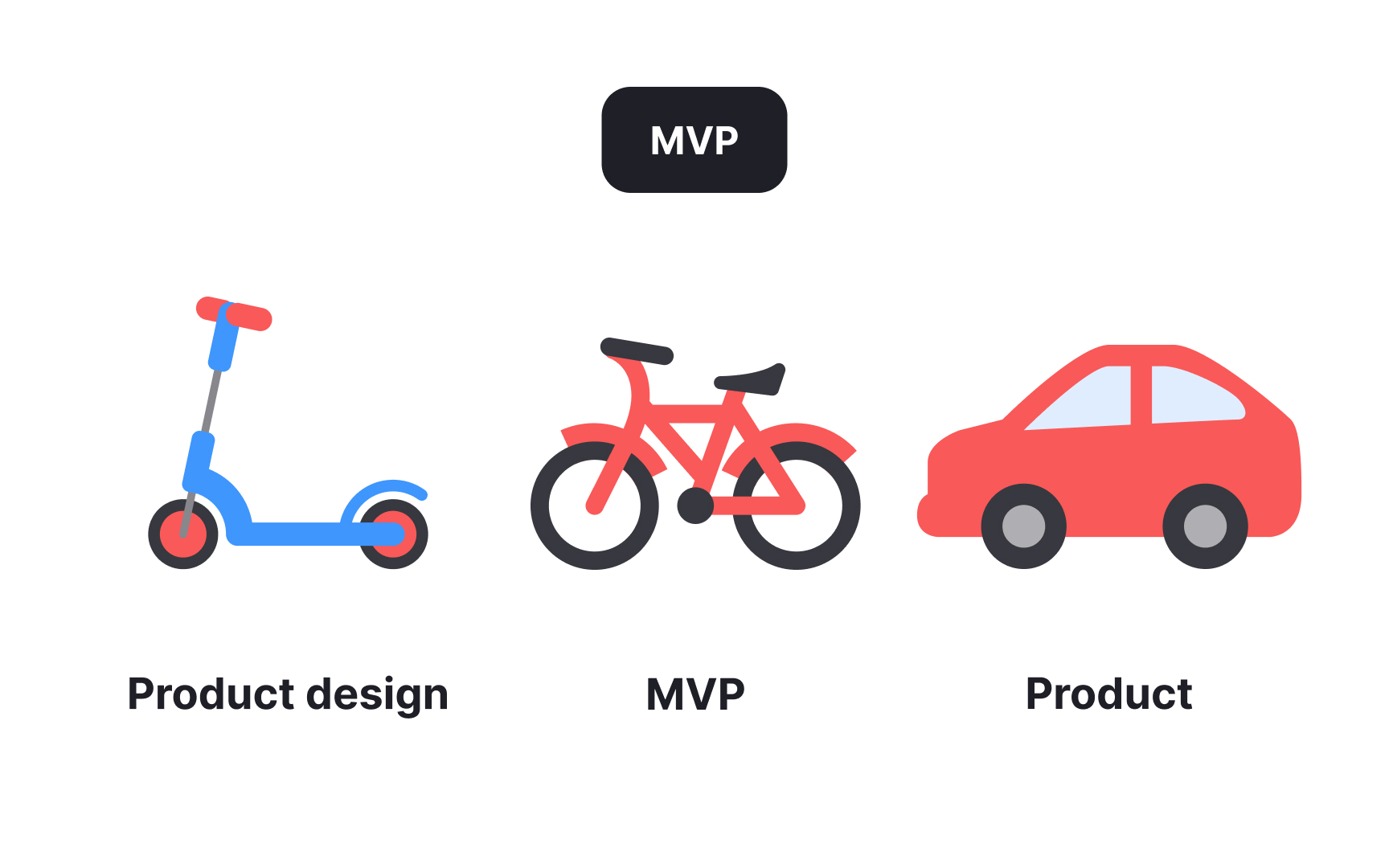
An MVP is not a smaller version of the final product. It is a focused experiment designed to validate a core assumption. In case studies, MVP scope becomes meaningful when teams clearly explain why only a limited set of features was chosen and why others were intentionally excluded.
Deliberate exclusion protects focus. Each additional feature increases development effort, maintenance cost, and cognitive load for users. When teams attempt to include too much, the MVP loses its ability to test a clear hypothesis. Strong case studies show how teams resisted this pressure and kept the scope narrow on purpose.
Clear MVP decisions also connect exclusions to learning goals. Features may be postponed because they do not contribute to validating the main problem, introduce unnecessary technical risk, or delay feedback from users. Explaining these reasons demonstrates that the MVP was shaped around learning, not comfort or completeness.[1]
Pro Tip: If a feature was excluded despite strong stakeholder interest, explain why learning speed mattered more than coverage.