Scrum framework
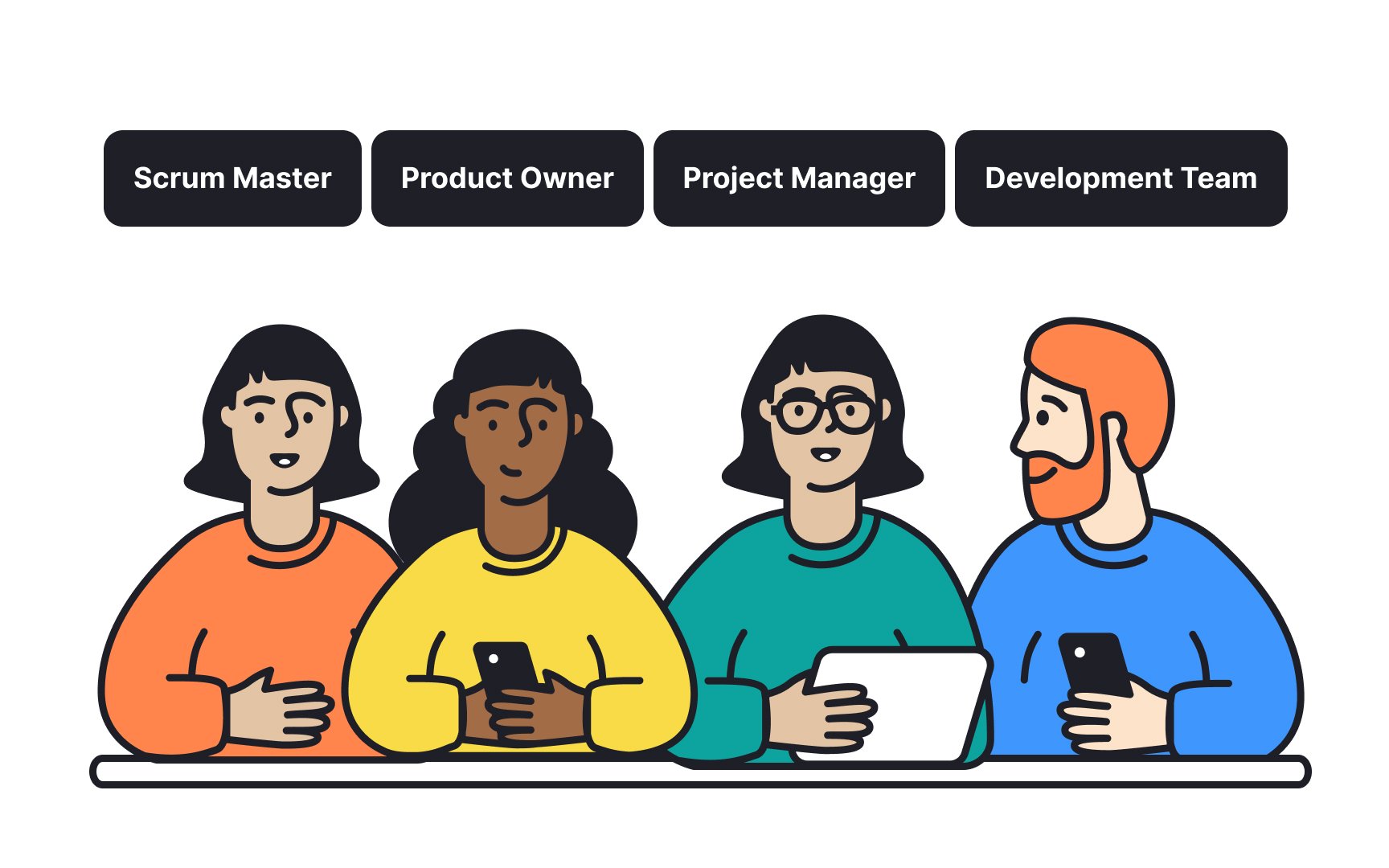
Scrum provides a structured approach to Agile product development through time-boxed iterations called sprints. Each sprint, typically lasting 1-4 weeks, aims to deliver a working product increment that brings value to users. This framework establishes clear roles and ceremonies to maintain focus and productivity:
- The Product Owner represents the customer's voice, prioritizes the product backlog, and ensures the team builds the right features
- The Scrum Master serves as a facilitator who removes obstacles and helps the team follow Scrum practices
- The Development Team, consisting of cross-functional members, collaborates to deliver the work
Scrum includes 4 key ceremonies:
- Sprint Planning to decide what to build
- Daily Stand-ups to synchronize activities
- Sprint Reviews to demonstrate completed work
- Sprint Retrospectives to reflect on how to improve
This framework works particularly well for complex projects where requirements might change and when a team needs to deliver value quickly. By breaking work into manageable chunks and focusing intensely on a limited set of priorities, Scrum helps teams make steady progress toward product goals.
Pro Tip: In some teams, one individual may take on multiple roles, such as the engineering lead acting as the product owner or the product manager acting as the scrum master.