When feedback loops fail
A feedback loop can fail for several reasons:
- No automatic measurement: If the system doesn't automatically track user behavior, it can't provide timely feedback. For example, if an app doesn’t automatically log exercise, users won’t know if they are meeting their goals.
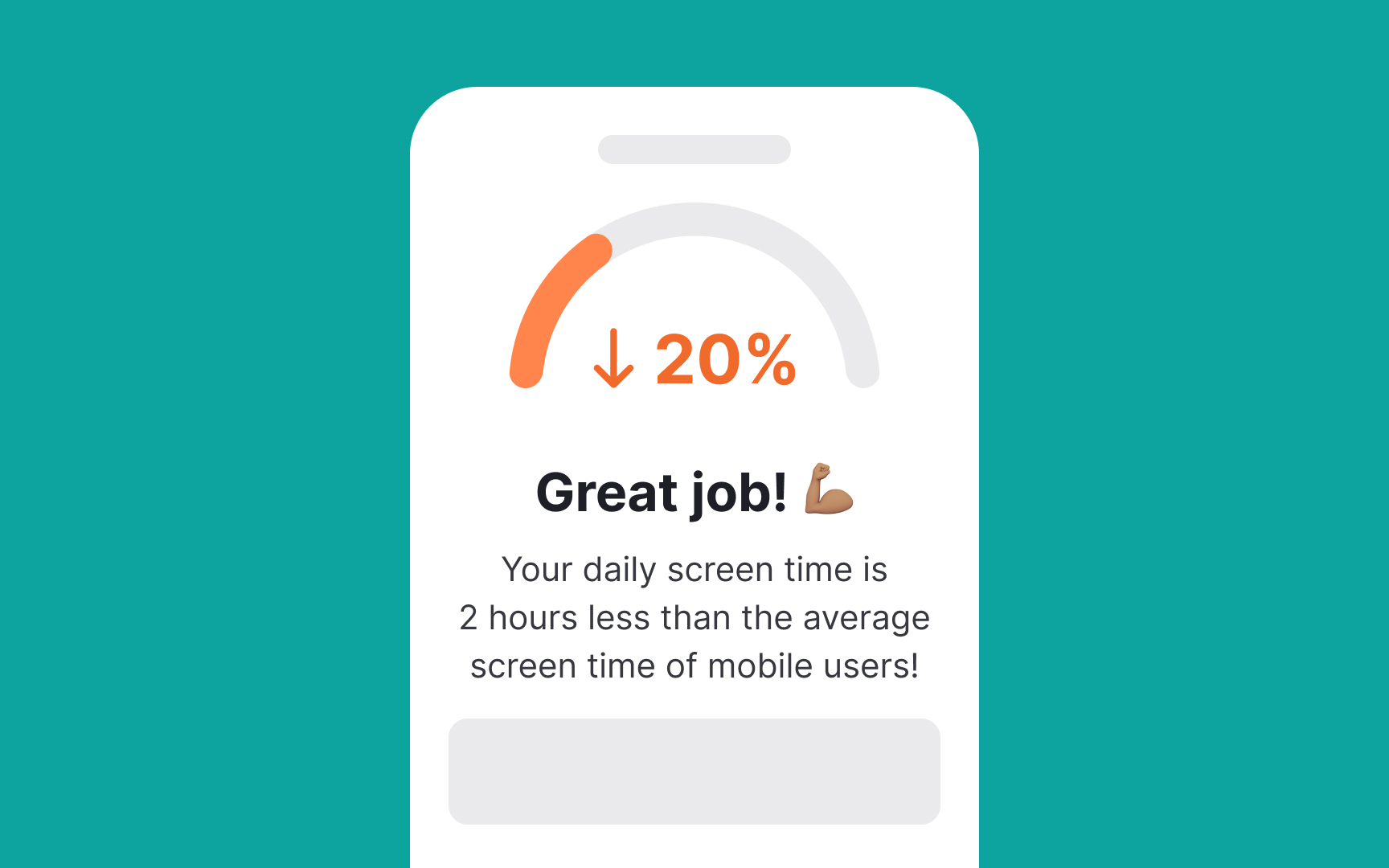
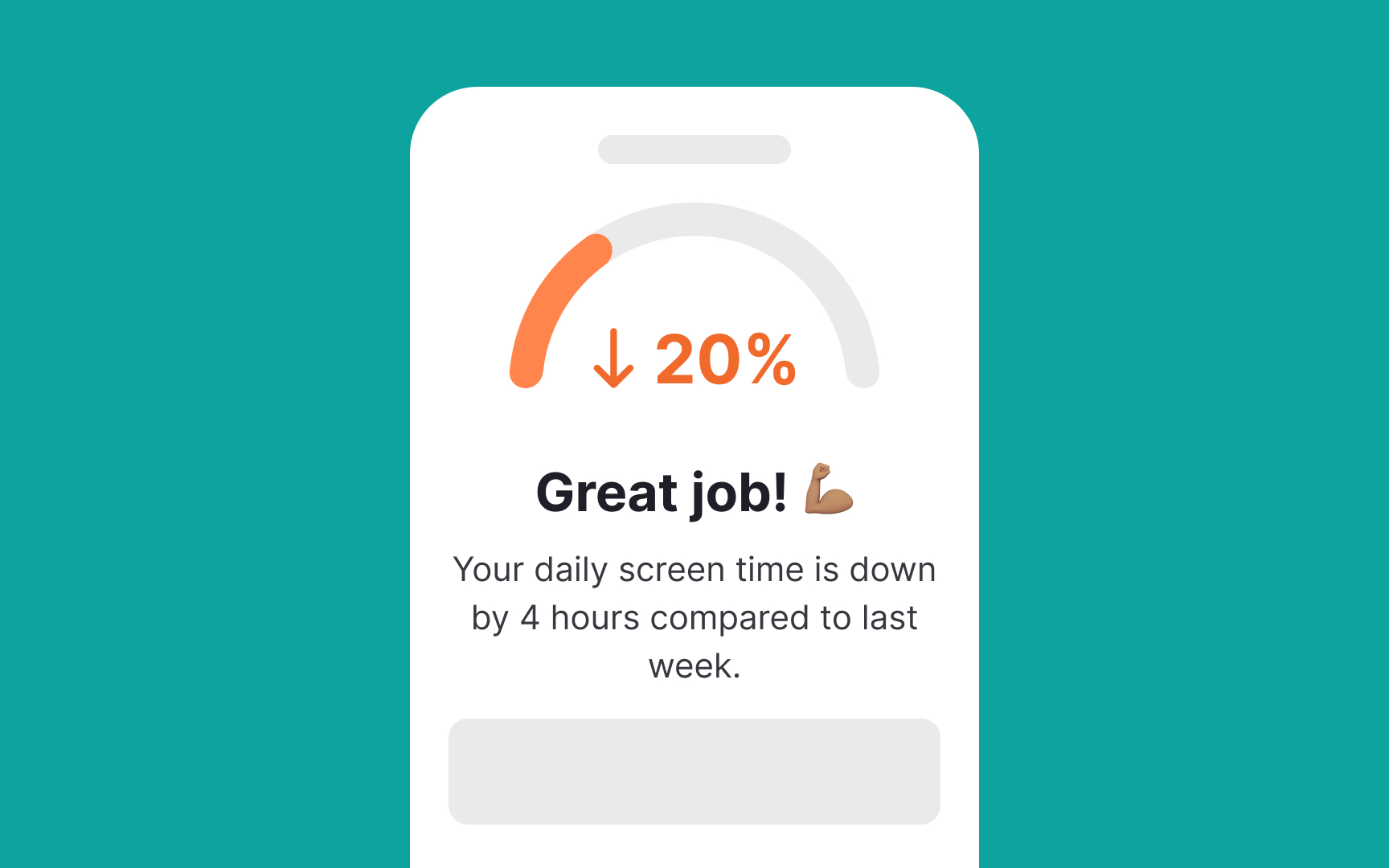
- Irrelevant comparisons: If the feedback doesn’t relate directly to users’ actions and goals, it won’t be effective. For example, showing a user their average weekly screen time may not be helpful if their goal is to reduce their daily screen time.
- Slow feedback: If the system takes too long to respond, users won’t connect their actions with the results. For example, if reminders to take medication come hours late, users might miss their doses.