Using metaphors to shape mental models
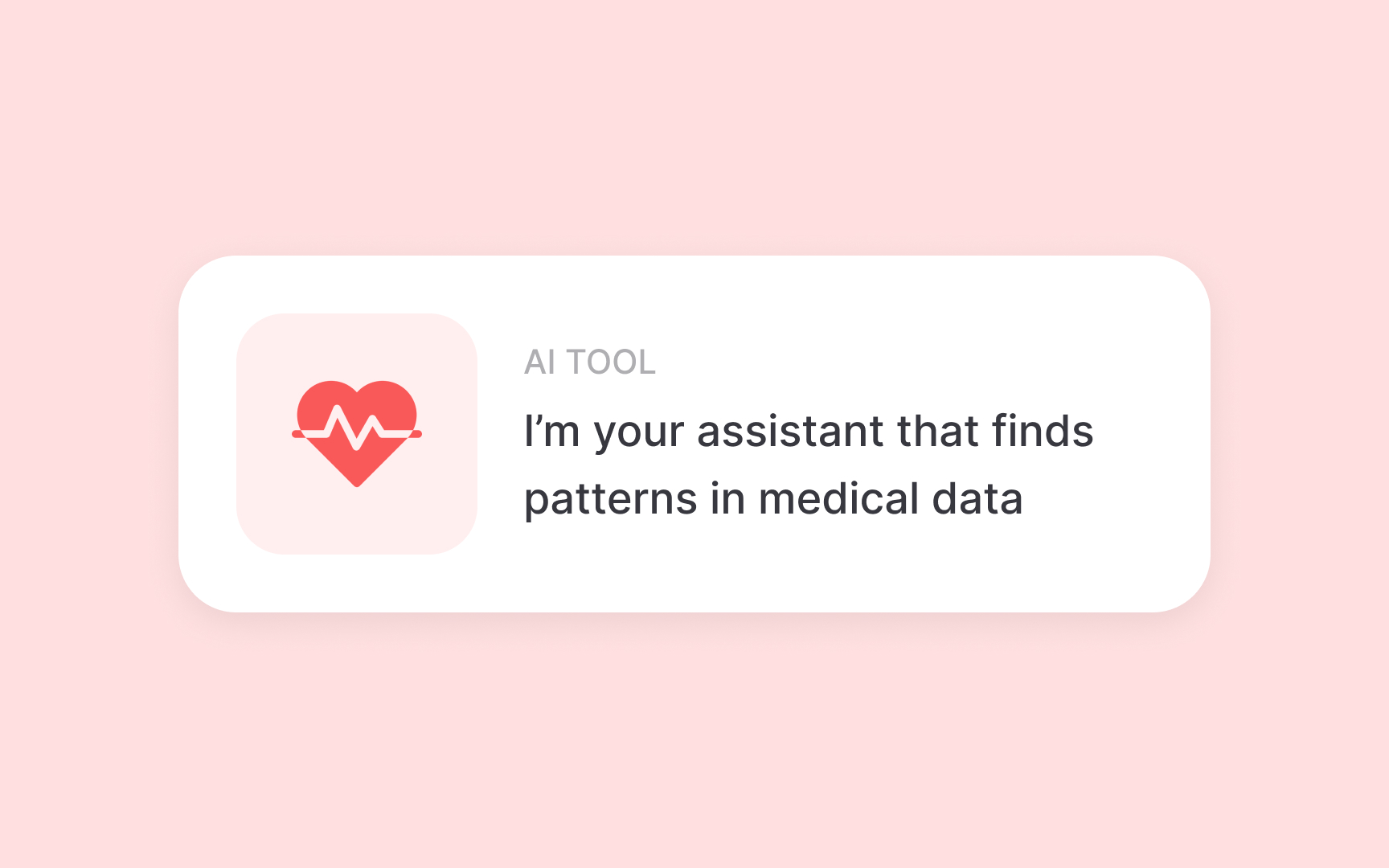
Metaphors significantly influence how users understand AI systems by connecting new concepts to familiar ideas. Strategic metaphors can be integrated throughout your product experience:
- Tool metaphors in product naming. Brand features with names like "Smart Filter," "Auto-Organize," or "Prediction Tool" instead of "AI Brain" or "Thinking Engine." These tool-based names set realistic expectations about system capabilities in product marketing and UI.
- System metaphors in user onboarding. Introduce AI functionality by explaining that it "searches through a vast library of patterns" rather than saying it "thinks about your request." These comparisons in tutorials help users form accurate mental models from the start.
- Natural metaphors in feedback messages. When an AI system improves with use, messaging like "Your feedback helps the system grow more accurate" reinforces an appropriate garden-like mental model in error handling and improvement notifications.
- Appropriate human-like qualities in interfaces. In conversational interfaces, a carefully balanced "assistant" metaphor might be appropriate, but avoid language suggesting the AI "feels," "wants," or "believes" in response text and help documentation.[1]
Pro Tip: Be consistent with your chosen metaphors across product copy, UI elements, marketing materials, and error messages to reinforce accurate mental models.