Owning the product backlog
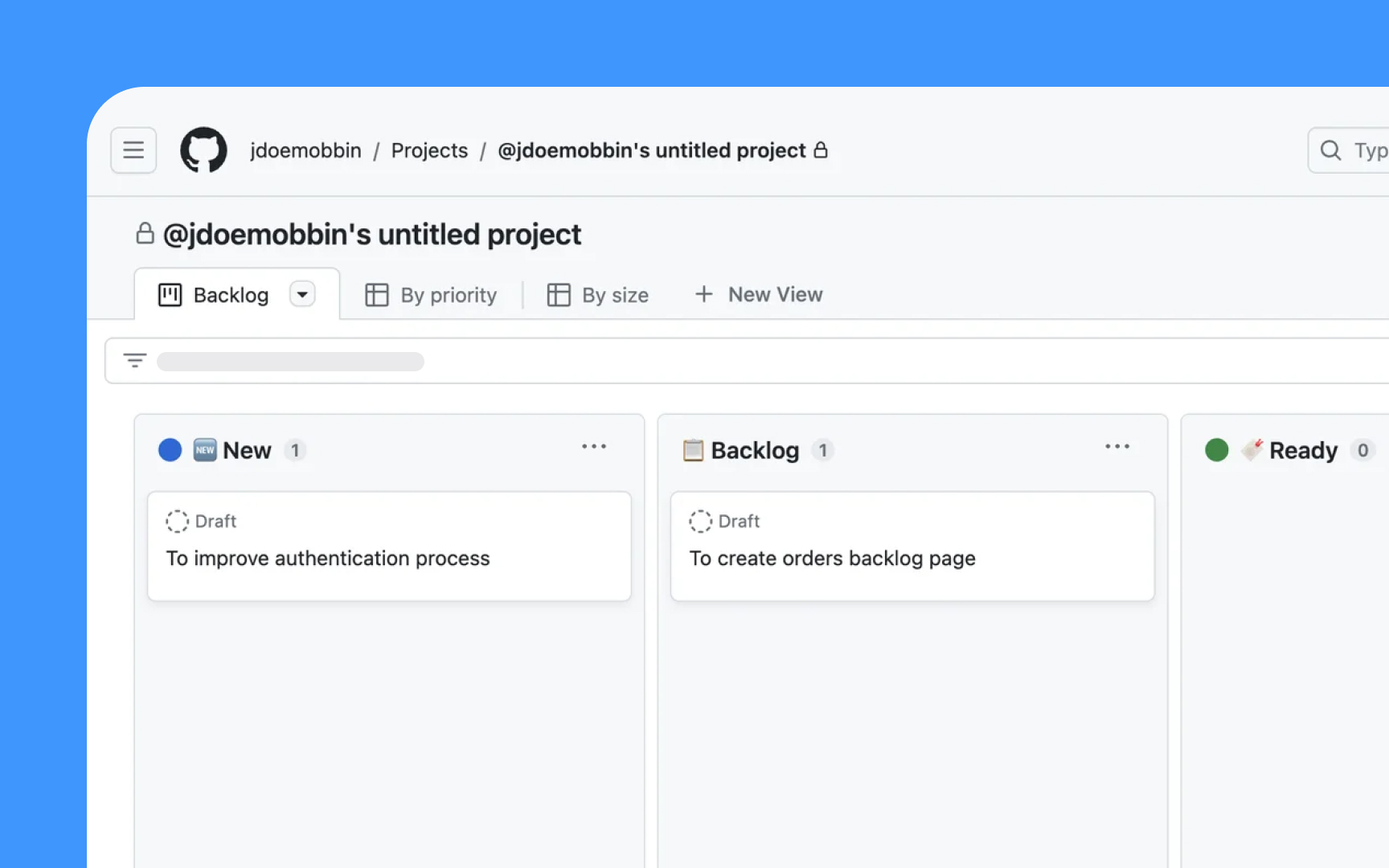
The product backlog is more than a simple to-do list. It's a strategic tool that requires continuous cultivation. As the product owner, maintaining a healthy backlog directly impacts team productivity, delivery quality, and business value generation.
Effective backlog management begins with strategic prioritization. Many frameworks exist, such as RICE (Reach, Impact, Confidence, Effort) and WSJF (Weighted Shortest Job First). The core principle remains constant to maximize value delivery while considering effort and dependencies. This requires a deep understanding of both user needs and business goals.
The art of story slicing transforms vague requirements into actionable work. Large initiatives should be broken down into user stories that follow the INVEST principles. These principles are Independent, Negotiable, Valuable, Estimable, Small, and Testable. This enables incremental delivery and faster feedback cycles. Rather than building an entire feature at once, slice vertically to deliver thin, complete workflows that provide immediate value.
Backlog refinement is a collaborative process, not a solo product owner activity. Regular refinement sessions with the development team ensure stories are clear, properly sized, and technically feasible before sprint planning. This continuous grooming prevents the backlog from becoming stale or disconnected from current priorities.
A well-maintained backlog balances short-term needs with long-term vision. The top items should be detailed and ready for implementation. Lower-priority items can remain as broader epics to be refined when they move up in priority.
Pro Tip: Reserve the top 20% of your backlog for items that are fully refined and ready for sprint planning. This creates a buffer that prevents last-minute scrambles.