Creating and maintaining a shared product vision
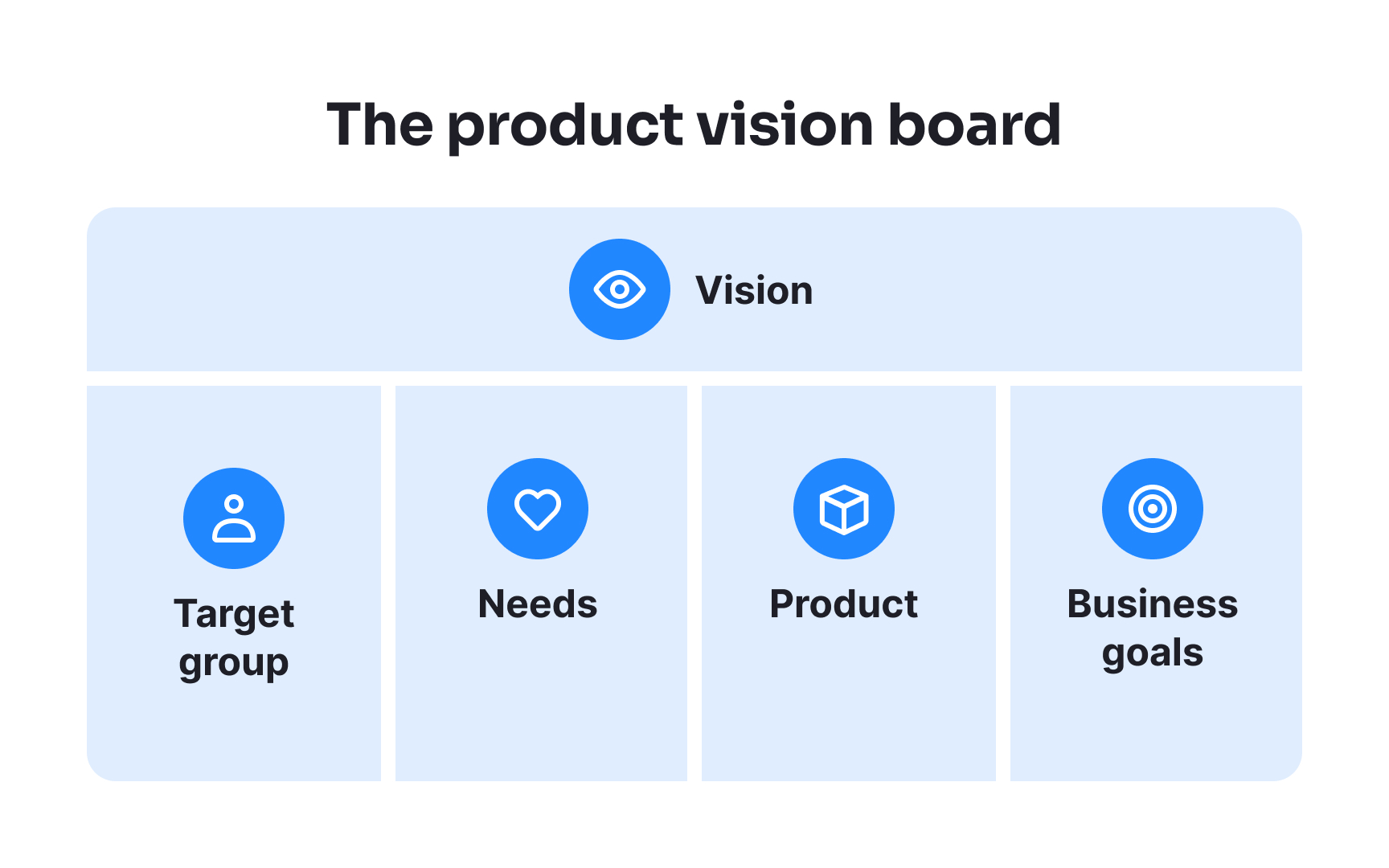
As organizations scale, maintaining alignment around a coherent product vision becomes increasingly challenging yet critically important. Without a clear vision, teams may optimize locally while creating inconsistent user experiences. A strong product vision connects customer needs with business strategy by articulating the unique value your product provides. It should be aspirational yet achievable, focusing on long-term impact rather than immediate features or deliverables.
Effective product visions are intentionally customer-centered, clear, inspiring, and accessible to everyone in the organization. To create an effective product vision, follow a structured approach:
- Start by understanding customer problems through research.
- Distill these insights into a concise statement (1-2 sentences) that captures your product's core value.
- Follow a simple format focused on who you're serving, what problem you're solving, and how your solution is unique.
Examples include Instagram's "To capture and share the world's moments" and Google's "To provide access to the world's information in one click."[1] Make your vision a practical decision-making tool by communicating it consistently through multiple channels and creating a hierarchy of aligned goals that connect the vision to team-level objectives. This helps everyone connect their daily work to a broader purpose and gives teams autonomy to make decisions within clear boundaries.
Pro Tip: Create a one-page vision canvas with: customer problems, solution approach, unique value, and key metrics. Review quarterly with teams.