Framing bias
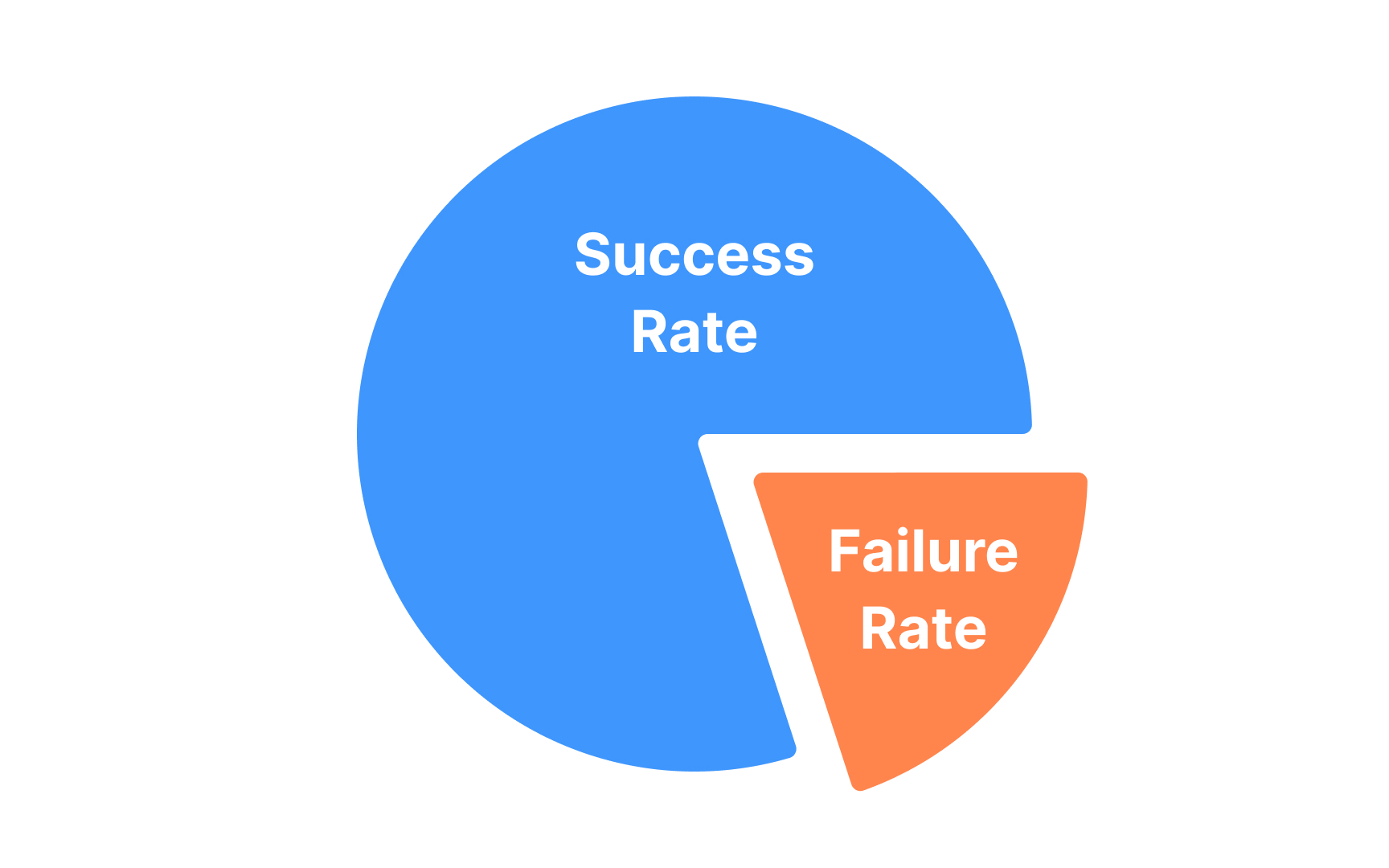
Framing bias refers to how the way information is presented can influence the decisions of people. It occurs when different presentations of the same information lead to different conclusions. Designers are particularly prone to this bias. For example, if usability test results show that 90% of users successfully completed a task using a new interface, a designer might feel positive about continuing with the design.
However, if the results are presented as a 10% failure rate, the designer might view the interface more critically and consider changes.
Being aware of framing bias is important because it will help you make more objective decisions by considering multiple perspectives and avoiding skewed judgments solely based on how information is presented.
Pro Tip: You can use framing to guide user behavior by presenting options in a way that highlights the benefits of a desired action, making it more appealing and likely to be chosen.