Discovery Workshop for Software Recomendation service


See figjam
Purpose
Why do Discovery workshop?
- Understand existing research and gather existing knowledge in order to determine additional research plans over the course of the project
- Understand stakeholder expectations
- Build a mutual understanding of the overall project direction, key milestones, and vision for the entire team
- Get a glimpse into the broader context (e.g., culture, parallel efforts, etc.) that may affect the project
Objective
- Understand existing research and gather existing knowledge
- Understand stakeholder expectations
- Build a common understanding of the overall project direction, key milestones, and vision for the entire team
- Minimize the risk of building the wrong thing
- Understand who the customers are and how the product will improve their lives
- Define what sets the product apart in the market
- Define what success looks like
Deliverables
Some of the desired and expected outputs from a discovery workshop are:
- Aligned product vision and purpose inside the whole team
- Setting clear, realistic goals for the product
- Define the target audience, user personas, flows, and scenarios,
- Sketch the User Journey mapping
- Aligned vision over the project roadmap and priorities
Workshop Details
Date and Time: 15 Jan, 2024, 10:00AM to 4:00PM
Location: Meeting room 1
Participants: Facilitators: 2 (UX Lead and Product Manager) : Designers: 1, Engineers: 2, Stakeholders: 3, Observers: 1
Steps
- Define a goal and output for the workshop.
- Decide on workshop participants.
- Gather needed materials
- Plan your agenda
Agenda
- Introductions (Workshop intro, attendee intro) — 15 min
- Design process overview (Walkthrough the design process steps, milestone and desirable outcome for each) — 15 min
- My first job Icebreaker activity - 15-20 min
- Stakeholder interview (About the Client, Business Goals & Objectives)- 45 min
- Assumption mapping (Mapping how desirable, viable and feasible is the product)- 45 min
- break- 15 min
- Who are our users — 45 min
- What are your user's goals (Get everyone to know the users better) — 30 min
- Personas — 45 min
- Lunch — 60 min
- Brain dump exercise (Great way to generate a lot of ideas)- 60 min
- Voting — 15 min
- Discuss the results — 15 min
- Coffee break — 15 min
- User journey mapping (Will help generate feature ideas)- 90 min
- Coffee break- 15 min
- Present journey — 30 min
- Final review — 60 min
- Coffee break- 15 min
- Feature prioritization — 90 min
- Coffee break — 15 min
- Define MVP — 90 min
Tools used
From brief
Topics
Share

5 Claps
Average 5.0 by 1 person
You might also like
Project
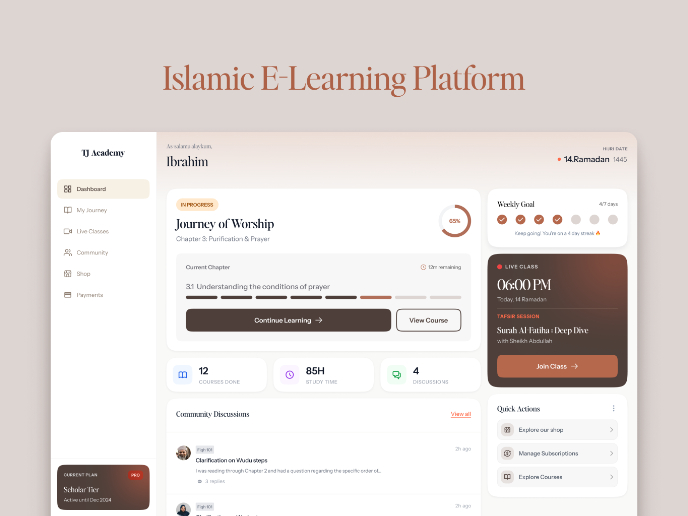
Islamic E-Learning Platfrom Dashboard

Visual Language & Color I wanted the interface to feel like a quiet room you'd actually want to sit in and study. The warm neutrals - off-wh
Project
Pulse — Music Streaming App with Accessible Light & Dark Mode

Platform & DeviceFor this project, I designed Pulse, a mobile music streaming application for iOS devices (using the provided mobile templat
Project
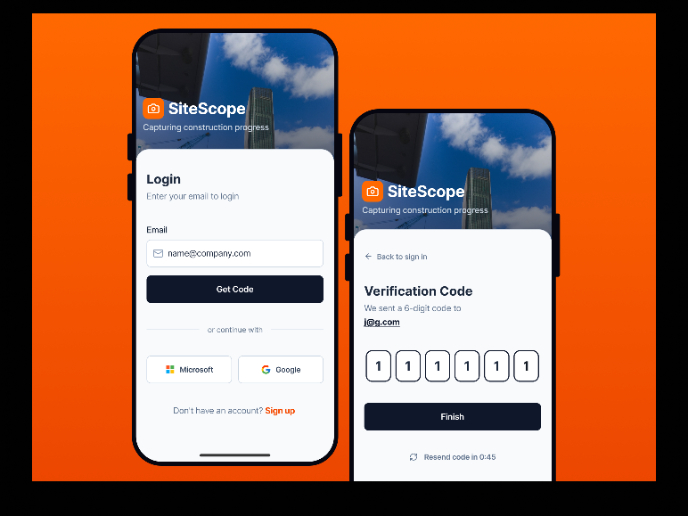
SiteScope - Progress Tracking App

🧩 Project OverviewThis project showcases the design of a mobile login and sign up experience for a construction progress tracking app. The
Project
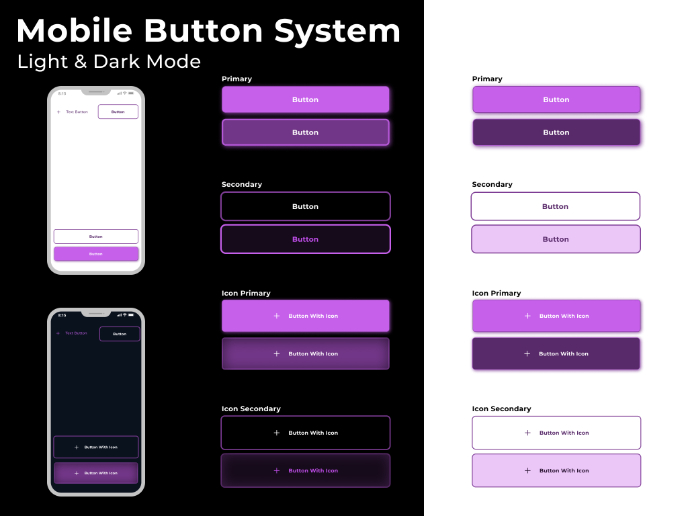
Mobile Button System

As my first ever ux design attempt, I tried to go with a simplified approach with only a few button types and states. I kept the color palle
Project
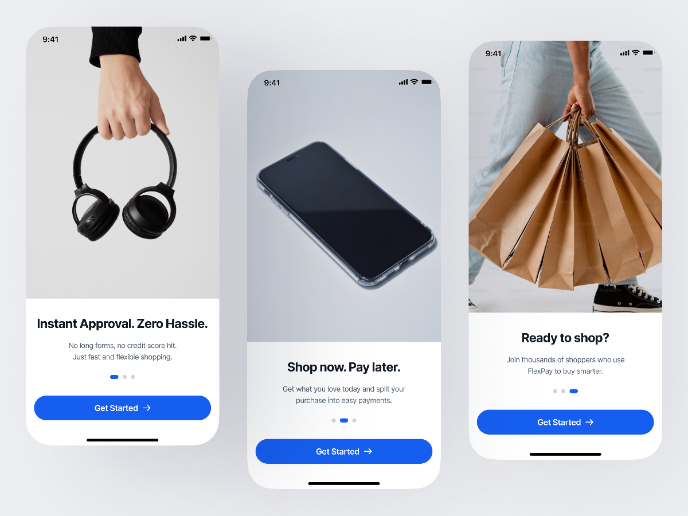
FlexPay

The onboarding was designed to reduce financial anxiety, create a sense of instant reward, and encourage early action. Instead of overwhelmi
Project
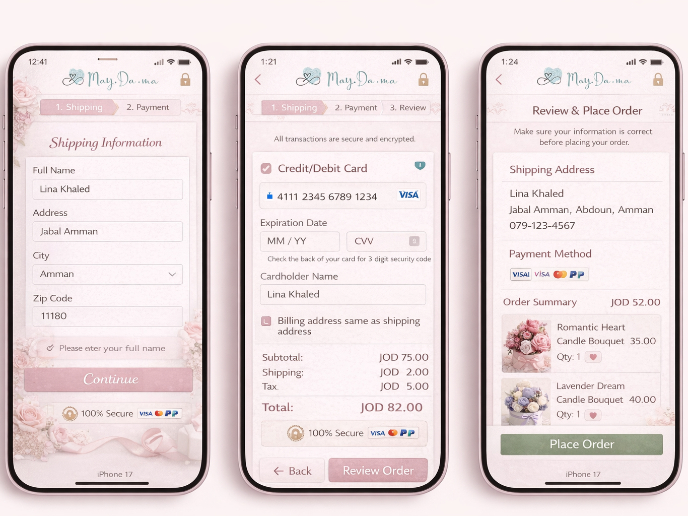
May.Da.Ma Candles & more

Design Leadership Courses

Course
UX Design Foundations

Learn UX design fundamentals and principles that create better products. Build foundational knowledge in design concepts, visual fundamentals, and workflows.

Course
Introduction to Figma
Learn essential Figma tools like layers, styling, typography, and images. Master the basics to create clean, user-friendly designs
Course
Introduction to Design Systems

Learn how to build scalable, consistent, and accessible design systems from the ground up.